

Enacts The New Deal for CUNY; increases the ratio of faculty and mental health counselors to full-time students; requires that certain amounts of tuition be replaced by federal, state, and city funds.
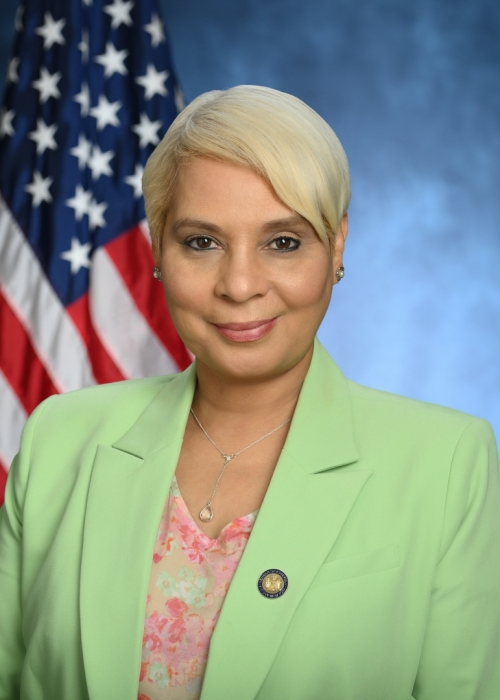
Asm. Maritza Davila
Sponsored bills
Maddy summaryThis bill requires health insurance plans in New York to cover specific pre-term labor care. It mandates coverage for home nursing visits to monitor expectant mothers diagnosed with pre-term labor (between 20-36 weeks of pregnancy), administration of Makena medication by nurses, and counseling services for emotional support. These services are required for individuals who have experienced pre-term labor, miscarriage, stillbirth, or infant loss within a month of birth. The law applies to all health insurance policies providing hospital, surgical, or medical coverage, directly affecting insurers and pregnant people with these specific needs.
Maddy summaryThis bill increases New York's Medicaid savings exemption limit from approximately $225,000 to $300,000 for household resources (excluding retirement accounts). It directly affects disabled adults aged 16-64 who meet income and resource criteria, allowing them to retain more savings while qualifying for Medicaid. The key change simplifies the asset limit to a flat $300,000 threshold for one- or two-person households, replacing a previous percentage-based calculation. The policy takes effect January 1, 2026, pending federal funding approval.
Maddy summaryThis bill requires contractors working on qualifying construction or demolition projects in cities with over 1 million residents to recycle at least 50% of the waste generated (by weight), measured after the law takes effect. It applies specifically to projects like multi-unit residential buildings, larger commercial structures, and major demolitions, excluding hazardous materials like asbestos or lead-contaminated waste. Contractors must document compliance within 30 days of project completion and face fines for non-compliance, with a phased approach starting at 25% for projects permitted within one year of enactment. The law aims to reduce landfill use by integrating recycling requirements into existing waste management systems for large urban projects.
Directs the division of criminal justice services to study, evaluate, and make recommendations concerning instances of police brutality in the city of Rochester.
Maddy summaryThis bill requires employers with 20 or more full-time permanent employees to create a written workplace violence prevention program. The program must include specific measures to address risks like abusive conduct and bullying, such as conflict resolution training and clear reporting systems. Employers must provide annual training to all employees on identifying, reporting, and preventing workplace bullying and abusive conduct, including how to use safety procedures and access the prevention program. It directly affects covered employers across New York State and applies to all workplace settings where such risks exist. The law mandates these changes to reduce incidents of workplace violence and improve employee safety.
Maddy summaryThis bill updates which assets are excluded when determining eligibility for New York's public assistance programs (like food stamps or cash aid). It specifies that applicants and recipients do not have to count certain resources, including up to $10,500 in cash/assets (or $3,750 for seniors/disabled), funds in special accounts for vehicle purchases ($7,500) or education ($5,165), primary homes, one vehicle (with value limits increasing over time), burial plots, retirement accounts, and 529 college savings plans. The changes also clarify that child support payments and tax credit refunds are excluded from income calculations. These provisions directly affect low-income individuals and families applying for or receiving state assistance benefits.
Establishes a certificate of restoration to replace the terms "certificate of good conduct" and "certificate of relief from disabilities"; repeals certain provisions relating to certificates of good conduct.
Maddy summaryThis bill designates March 21st each year as "Down Syndrome Awareness Day" in New York State. It adds this date to the state's official calendar of commemorative days, which already includes other observances like Holocaust Remembrance Day and Juneteenth. The bill does not create new policies or funding; it simply establishes a formal recognition day to raise awareness about Down syndrome. This designation affects all New York state entities and residents, encouraging official observances and educational efforts on that date.
Permits the commissioner of motor vehicles to require any licensed driver to submit to an examination or reexamination prior to such licensed driver's normal renewal date upon receipt of a recommendation from a court having jurisdiction of traffic offenses, or the governor or chief magistrate of a state or territory stating that the driver's ability to operate a motor vehicle safely is questionable.