

Directs the department of civil service to conduct a study on competitive examinations for public employment held by the state department of civil service and by municipal commissions to determine whether the contents of such examinations have a discriminatory effect on minority examinees; requires a report on such findings to be delivered to the governor and legislature.
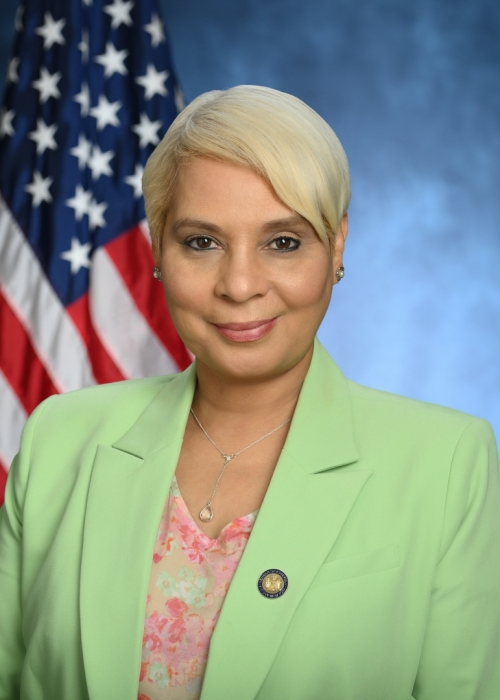
Asm. Maritza Davila
Sponsored bills
Requires that the state system for warning populations who are or may be endangered includes audible alerts for all announcements to ensure that information is accessible to visually impaired individuals.
Establishes the reentry assistance program; provides for eligible incarcerated individuals to receive a monthly stipend upon release from a state correctional facility; makes an appropriation of $25,000,000.
Maddy summaryThis bill removes time limits for civil lawsuits related to child sexual abuse, allowing survivors to file claims at any time regardless of when the abuse occurred. It specifically covers civil cases where the victim was under 18 years old for sexual offenses under New York Penal Law (including rape, incest, and child sexual performance), and revives previously time-barred cases. The law clarifies that civil claims do not require a prior criminal conviction or prosecution. It directly affects survivors seeking compensation for injuries stemming from childhood sexual abuse by removing the previous deadline for filing such lawsuits.
Maddy summaryThis bill removes specific eligibility restrictions for Medicaid home care services in New York. It repeals a provision requiring individuals seeking home care to meet strict activity-of-daily-living criteria (like needing assistance with multiple tasks) or dementia-related supervision levels. The change directly affects Medicaid recipients needing home care services, particularly those with dementia or Alzheimer's who previously faced these barriers. The policy shift simplifies eligibility by eliminating these prior requirements for people applying on or after October 1, 2020. The bill modifies New York's social services law to broaden access to home care services under Medicaid.
Maddy summaryThis bill establishes a new health coverage option under New York's 1332 state innovation program, allowing the state to create a health plan for specific uninsured New Yorkers who don't qualify for Medicaid or ACA marketplace plans. It directly affects residents under 65 with household incomes between 133% and 250% of the federal poverty line, including some noncitizens ineligible for Medicaid due to immigration status. Key provisions include requiring coverage for essential health services (like cancer care access at Medicaid rates, dental, vision, and chronic illness support), automatic enrollment for children born to eligible parents, and continued coverage during pregnancy for one year postpartum. The program requires federal approval under the ACA's Section 1332 waiver process and operates alongside existing Medicaid and marketplace plans.
Regulates the use of artificial intelligence in the provision of therapy or psychotherapy services by prohibiting the use of artificial intelligence to assist in providing supplementary support where the session is recorded or transcribed unless the patient is informed of the specific purpose of such use and consents of such use; establishes penalties for violations of such provisions; excludes religious counseling, peer-support, and self-help materials and educational resources from such provisions.
Maddy summaryThis bill establishes a new progressive income tax structure for high-income New York taxpayers by creating multiple tax brackets with increasing rates as income rises. It directly affects New York residents earning above certain thresholds, with the highest rates applying to incomes over $5 million (up to 24% for some filing statuses). Key provisions include setting specific tax rates for different income ranges - for example, 10.90% for incomes over $25 million and 24% for incomes over $20 million for certain filers. The bill modifies existing tax law to implement these bracketed rates, replacing previous structures.
Maddy summaryThis bill extends Medicaid eligibility for infants from under age one to under age three, directly benefiting low-income infants and their families. It sets income eligibility at 200% of the federal poverty level (based on household size) and ensures children receiving in-patient medical care at age three remain covered until their treatment ends. The law also automatically extends coverage to infants born to parents already receiving medical assistance. These changes update New York's social services law to align with federal Medicaid rules for infant care.
Establishes the insure our communities act to implement climate leadership and community protection act targets for insurers; identifies and protects such communities; relates to affordability of insurance rates; assesses covered insurance companies' record of performance at meeting insurance needs; requires covered insurance companies to file statistical reports, including information on insurance coverage in specific assessment areas and disadvantaged communities.