

Maddy summaryThis bill changes New York law to extend the deadline for landlords to return security deposits from 14 to 30 days after a tenant moves out. Landlords must now provide a written explanation for any retained deposit and return the remaining balance within 30 days. If they fail to meet this new deadline, they forfeit the right to keep any portion of the deposit. The bill directly affects residential tenants and landlords in New York state.
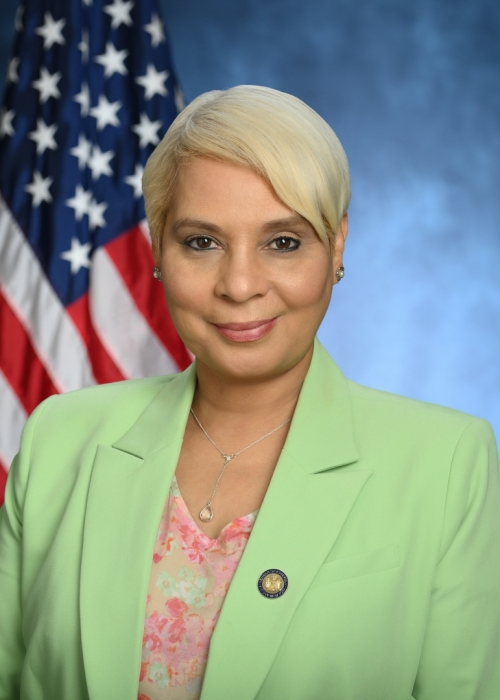
Asm. Maritza Davila
Sponsored bills
Decreases the frequency of lock-down drills in schools; directs that such drills shall be implemented with a trauma-informed approach; permits parents to opt their children out of such drills.
Maddy summaryThis bill (A 7786, "Sovereign Debt Stability Act") creates a voluntary legal framework for foreign governments or subnational entities (like states/provinces) with debt governed by New York law to restructure unsustainable debt. It directly affects debtor nations or subnational units holding debt under New York jurisdiction, requiring them to choose between two restructuring pathways (Section 223 or Section 230) and notify creditors. Key mechanisms include a debtor state filing a petition, appointing an independent monitor to facilitate agreements, and requiring creditor participation under "burden-sharing standards" to ensure equitable cost distribution. The law aims to protect New York's financial interests by reducing systemic risk, preventing defaults that could harm its economy, and supporting international debt relief efforts.
Establishes a task force to conduct a comprehensive study on the presence of educator diversity in the state, state actions taken to promote educator diversity, and how the state can encourage new initiatives to enhance and promote educator diversity in New York; provides for the repeal of such provisions upon the expiration thereof.
Creates a temporary state commission to study and make recommendations concerning the incidence of asthma in the borough of Brooklyn in New York city.
Maddy summaryBill A 2654 clarifies that only individuals aged 18 or older at the time of the crime may receive a life imprisonment sentence without parole. It specifically applies to convictions for first-degree murder, certain terrorism offenses, or aggravated murder, requiring judges to impose life without parole for 18+ defendants in these cases. The bill also specifies that defendants aged 17 or younger at the time of the crime cannot receive life without parole and must instead be sentenced to an indefinite term with a maximum life sentence. This amendment updates existing sentencing rules to establish a clear age threshold for this severe penalty.
Relates to the standards of monthly need for persons in receipt of public assistance; provides for an increased monthly allowance for persons and families residing in shelters.
Maddy summaryThis bill defines two key terms in correctional settings: "cell" (any space used for sleep or non-shared confinement without physical barriers between people) and "out-of-cell" (being in shared group spaces for activities like recreation, library, or medical treatment without barriers). It clarifies when incarcerated individuals are considered confined in a cell versus participating in group activities outside a cell. The definitions directly affect correctional facilities and incarcerated people by standardizing how confinement and group activities are categorized under existing laws. The bill does not change policies but provides clear terminology for implementation.
Exempts income earned by a head of household or any person in the household from certain job training or adult education programs from the determination of need for public assistance programs.
Maddy summaryThis bill expands existing consumer financial protections to small businesses by amending key laws. It defines a "small business" as an in-state, independently owned entity with 100 or fewer employees that isn't dominant in its field. The law now allows small businesses to recover **twice the interest paid** if lenders charge usurious rates (exceeding legal limits), under sections of the general obligations law and banking law. These changes directly affect small businesses in New York state seeking relief from excessive interest charges on loans. The bill takes effect immediately upon enactment.