

Maddy summaryThis bill clarifies the definitions of vocational training and educational activities covered under social services programs. It specifies that programs must include job-focused education (like financial literacy, career advice, or high school equivalency) and limits post-secondary education support to four years, provided it aligns with an individual's employment goals. Social services districts must ensure participants maintain a C average (or equivalent) in approved programs, with waivers available for hardships like illness. The bill directly affects low-income job seekers receiving social services and the districts administering these programs.
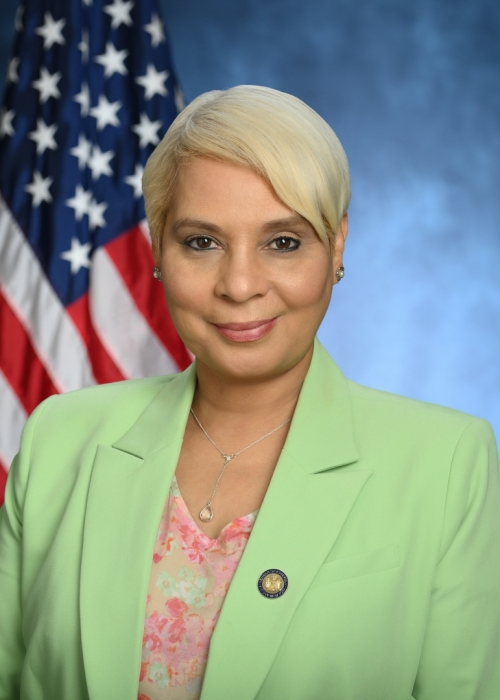
Asm. Maritza Davila
Sponsored bills
Directs the department of corrections and community supervision to conduct a comprehensive study on deaths in correctional facilities within New York state to provide data-driven insights and recommendations to improve prison conditions, healthcare, and policies to prevent future tragedies.
Authorizes the empire state development corporation to develop a public awareness campaign promoting businesses located in New York state with an emphasis on small businesses and the need to shop in downtown local areas; requires the creation of the Buy New York Online Networking Directory to connect purchasers with businesses located in New York.
Repeals the rebates for stock transfer tax paid; dedicates funds of the stock transfer tax fund and stock transfer incentive fund to various funds; establishes the safe water and infrastructure action program.
Relates to professional obligations under the physician loan repayment program; provides an option to practice as a physician engaged in private practice in an underserved area.
Establishes the bilingual teachers of tomorrow teacher recruitment and retention program to attract and retain bilingual, certified teachers in schools with a bilingual teacher shortage; provides for grants and procedures for applying for such grants and eligibility requirements for fund distribution.
Maddy summaryThis bill removes the previous limit of 10 visits or 30 days for physical therapists to treat patients without a physician referral. It directly affects licensed physical therapists and their patients, allowing ongoing treatment without a referral as long as three requirements are met: therapists must refer patients if symptoms suggest other care is needed, communicate with the patient’s primary care provider during treatment, and provide written notice to patients about potential insurance coverage issues without a referral. The bill requires therapists to document patient notification with a signed form. These changes aim to streamline access to physical therapy while ensuring patient safety and insurance clarity.
Maddy summaryThis bill allows property and casualty insurance companies to deliver certain notices electronically instead of by mail. It specifically applies to notices related to insurance contracts under vehicle and traffic law, such as policy changes or coverage evidence. The law requires electronic notices to meet state technology law standards and permits delivery to an electronic address not listed in the policy. This change directly affects insurance policyholders and companies by expanding how they receive legally required notifications. The bill makes electronic delivery legally valid for these specific notices, replacing the previous requirement for physical mailing.
Enacts the bucks for boilers act, which creates a program to aid in transition of housing units to electric heat pumps and other high energy efficiency upgrades.
Maddy summaryThis bill mandates that all public and private schools in the state include instruction on the January 6, 2021 insurrection at the U.S. Capitol and its aftermath as part of required civic education courses. It affects all students over age eight in the state's schools by requiring teachers to cover this event alongside other historical topics like slavery, the Holocaust, and human rights issues. The law directs education regents to develop curriculum guidelines and authorizes school commissioners to enforce compliance, including withholding funding for noncompliance. The policy requires schools to integrate this topic into existing civic education frameworks without specifying teaching methods or materials.