

Maddy summaryBill A 5559 establishes a pilot program to credential direct support professionals (DSPs) who work with individuals receiving care in state-operated and not-for-profit facilities. The program aims to professionalize the DSP field by promoting career advancement, developing advanced skills, and enhancing workforce recruitment and retention. It includes a credentialing and education program, along with comprehensive training that may feature online modules and mentorships. An advisory council, comprising DSPs, providers, and self-advocates, will oversee the program's implementation. The Office is required to report on the pilot's effectiveness by November 2028, including recommendations for a potential statewide credentialing program.
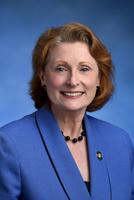
Asm. Jo Anne Simon
Sponsored bills
Establishes a support team assisted response pilot program in any city with a population of one million or more for the purpose of providing emergency response services for mental health, substance use and other non-criminal public health emergencies.
Maddy summaryThis bill creates a property tax abatement for buildings in cities with over 1 million residents that install equipment capturing and reusing carbon dioxide emissions. Property owners can reduce their annual property taxes by up to $100,000 (or 5% of eligible equipment costs, whichever is lower) for qualifying carbon-to-value systems placed in service between 2025 and 2030. To qualify, the equipment must demonstrably reduce emissions through verified life cycle assessments, cannot be installed in designated environmental justice areas, and must meet specific technical requirements like carbon storage for 100+ years. The abatement applies only to "class four" real property in eligible cities and requires certification by the city's designated agency.
Requires the commissioner of motor vehicles, in consultation with the commissioner of education, to promulgate rules and regulations to implement GPS and an emergency communications system on school buses.
Maddy summaryThis New York State bill (A 2582) creates a state-funded system to provide support services for unaccompanied minors (children under 18 with no lawful U.S. immigration status who entered without parents/guardians or were separated from them). It mandates free legal representation in immigration court, health services, counseling, school enrollment assistance, and trauma-informed care - delivered through an immigration services liaison. The bill requires multilingual informational materials and ensures services won't affect immigration status under federal law. It directly affects minors in New York's custody or care who face federal immigration proceedings.
Relates to the content of rules and regulations to be promulgated by the Secretary of State with respect to minimum staffing levels for agencies enforcing the minimum standards under the New York State Uniform Fire Prevention and Building Code Act.
Maddy summaryThis bill creates a tax credit for businesses that recycle bivalve mollusk shells (like oyster and clam shells). Taxpayers can claim a credit of up to $1,000 or 10 cents per pound of certified shells donated to DEC-permitted organizations for oyster reef restoration. The credit applies to taxable years starting January 1, 2025, and cannot reduce taxes below the minimum required amount. It directly affects businesses recycling shells who partner with DEC-approved groups restoring coastal habitats.
Suspends the registration of a vehicle which has been documented multiple times within a period by a photo violation monitoring device for failure to comply with traffic-control indications.
Requires fashion sellers to carry out environmental due diligence for the portions of their business related to wearing apparel, footwear or fashion bags, including wearing apparel, footwear or fashion bags produced as a private label; establishes a fashion remediation fund.
Maddy summaryThis bill expands New York's paid family leave program to include attendance at a child's individualized education program (IEP) meeting as a covered reason for leave. It allows eligible workers to use up to three hours of paid leave per IEP meeting to participate in planning their child's special education services. The change directly affects parents or caregivers of children with special needs who require school-based educational planning. The key provision amends the definition of "family leave" to explicitly include IEP meetings under the existing paid leave framework. This creates a concrete policy change allowing workers to take paid time off for this specific educational meeting without losing pay.