

Enacts the "faith-based affordable housing act" for development on residential land; defines terms; provides that each village, town, and city shall allow the construction and occupation of residential buildings on any covered site up to the specified densities; provides that all residential buildings constructed pursuant to this section in a town, village, or city with fewer than one million inhabitants shall set aside twenty percent of the residential floor area for households earning an average of eighty percent of area median income; outlines the densities for New York city; makes related provisions.
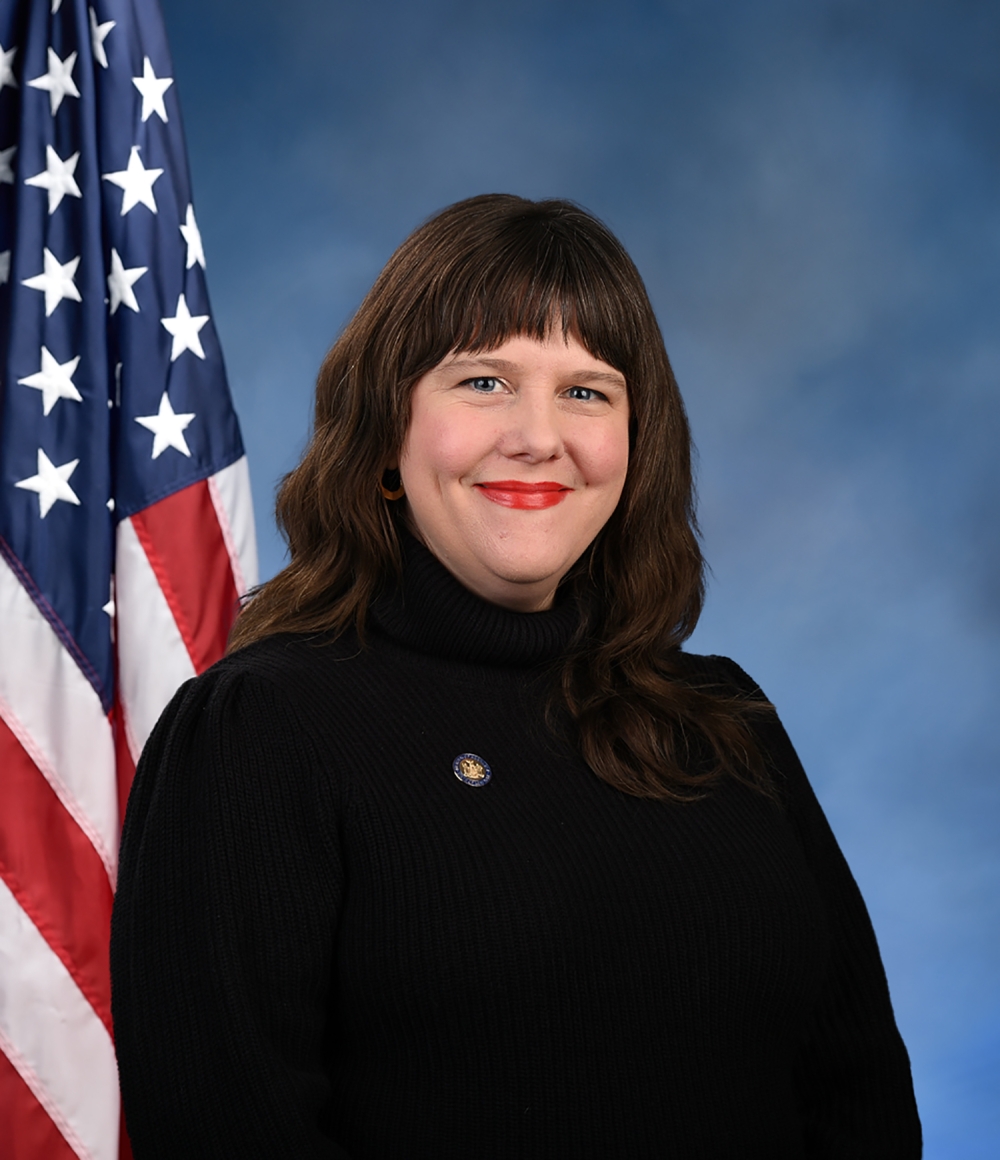
Asm. Emily Gallagher
Sponsored bills
Enacts the "forensic rehabilitation act" relating to the custody of individuals following a verdict or plea of not responsible by reason of mental disease or defect.
Maddy summaryThis bill changes New York's parole process by requiring the state board of parole to consider specific factors before granting release. It mandates evaluation of rehabilitation efforts (like programs, therapy, and work assignments), release plans (including housing, jobs, and support services), and deportation status, while prohibiting decisions based mainly on victim statements or prior criminal records. Parole denials must include detailed written explanations, and the board must report quarterly to lawmakers with demographic data on denied cases (excluding individual identities). These changes aim to standardize parole decisions and increase transparency.
Mandates that no employee or officer of the university shall determine the specific details of a student's immigration status except when required by federal law, pursuant to a court order or as required in connection with tuition or financial aid eligibility.
Requires that all human services contracts between any public entity and a human services provider stipulate that the public entity will pay no less than 150% of the higher of: the otherwise applicable minimum wage in the state or any otherwise applicable wage rule or order and that the necessary amounts have been appropriated to ensure payment of such minimum wage.
Enacts the "voting integrity and verification act of New York (VIVA NY)"; provides that each voter is entitled to the use of an individual, voter verifiable paper ballot of the voter's vote and the opportunity to mark it.
Maddy summaryThis bill requires New York City housing inspectors to conduct re-inspections of dwellings after mold violations are corrected, with specific timing based on the violation's severity. Landlords and building owners must fix non-hazardous mold issues within 30 days, hazardous issues within 15 days, and immediately hazardous cases within 7 days. The city's Housing Department must then re-inspect within those same timeframes (30, 15, or 7 days) after the correction deadline passes. This applies directly to property owners with mold violations and the city's housing enforcement agency.
Requires health insurers to provide coverage for procedures relating to the diagnosis and treatment of uterine fibroids and related conditions, including pain, discomfort and infertility resulting therefrom.
Maddy summaryThis bill creates the New York State Office of Gun Violence Prevention and a Gun Violence Advisory Council. The office will coordinate state, local, and federal efforts to prevent gun violence, centralize grant funding, improve data collection on firearm injuries, and run public education campaigns. It requires an annual report to the governor and legislature on gun violence trends and prevention strategies. The advisory council, including survivors, healthcare providers, community leaders, and law enforcement, must advise the office quarterly. The bill directly affects all New Yorkers by establishing a dedicated state agency focused on data-driven prevention and community collaboration.
Maddy summaryBill A 8157 mandates that all schools incorporate instruction on the prevention of eating disorders into their health education programs. This new instruction will be provided to students in grades six through twelve as a component of their nutrition programs. The curriculum must be age-appropriate, designed to foster a healthy self-image and prepare students for healthy lives. The commissioner may consult with comprehensive care centers for eating disorders when developing this instruction.