

Maddy summaryThis bill requires sellers to provide lead-based paint test reports to buyers before selling residential properties built before 1978. It directly affects home sellers, buyers, and real estate agents in New York for properties constructed prior to 1978, which are most likely to contain lead paint. The key mechanism mandates a one-time inspection and disclosure of test results before title transfer, with reports added to a state registry for future buyers. This complements existing laws by standardizing disclosure across all residential sales, not just rentals, ensuring buyers receive clear information about potential lead hazards. The law does not replace buyer due diligence or existing seller responsibilities.
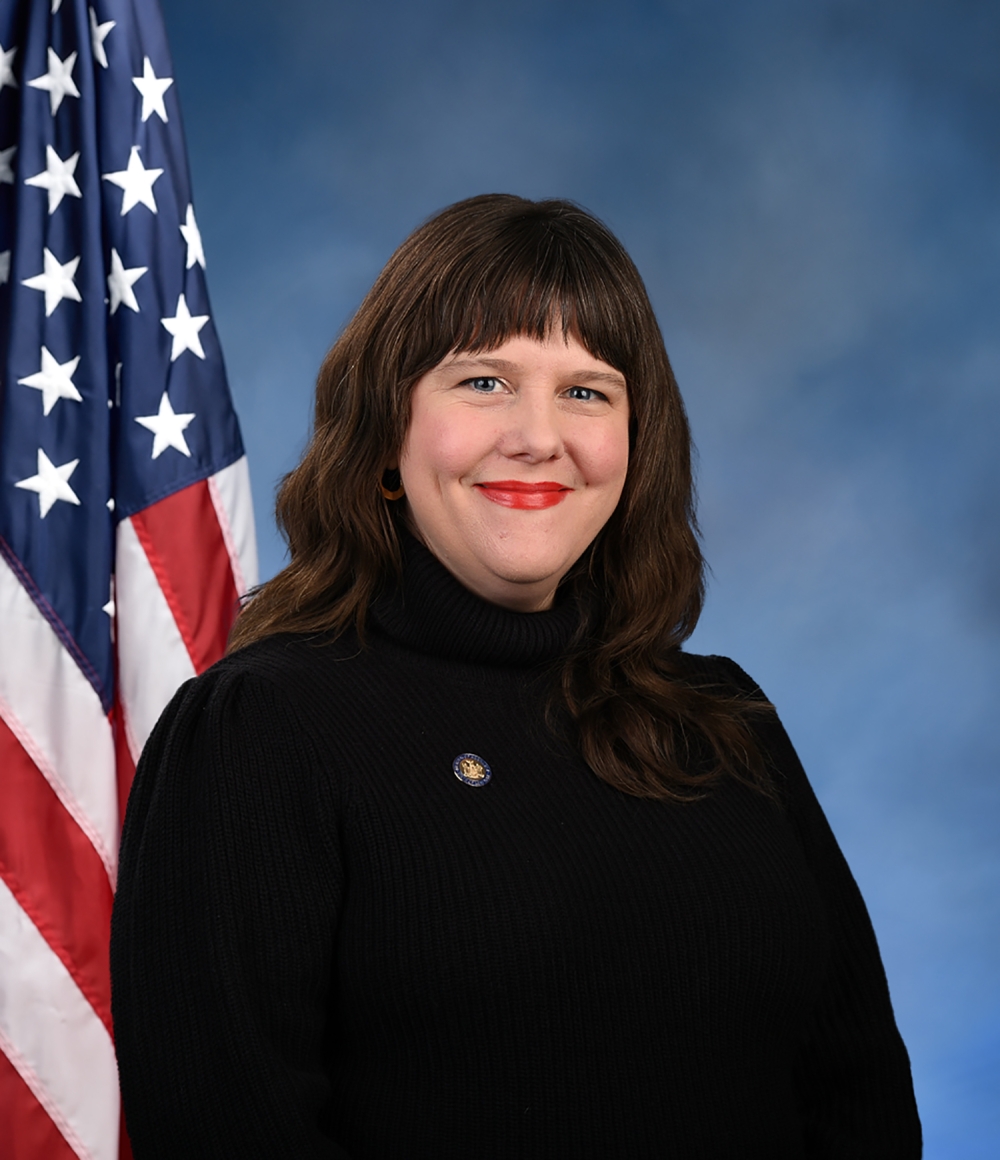
Asm. Emily Gallagher
Sponsored bills
Relates to artist preferences in housing; provides that giving occupancy preference to individuals who are involved in artistic activities is not an unlawful discriminatory practice provided that such preference is implemented or authorized by an agency or the state of New York.
Establishes an energy project revolving loan program and energy project revolving loan fund to encourage the development of renewable energy generating projects by awarding financial assistance for certain zero-emission energy generation projects.
Relates to the reporting requirements of the statewide fiscal intermediary; requires the reporting of utilization data and financial data to protect medical assistance recipients in using the program and ensure the effective use of medical assistance funds; requires the statewide fiscal intermediary to provide consumer directed personal assistant data to ensure the availability of a workforce to meet the needs of consumers utilizing the program; requires the statewide fiscal intermediary to provide data regarding customer service requests, complaints, and accessibility.
Maddy summaryThis bill establishes minimum cash wage requirements for "miscellaneous industry workers" who receive tips, including car wash attendants, nail salon workers, tow truck drivers, dog groomers, tour guides, valet attendants, and similar roles. It sets specific hourly cash wage floors that must be paid in addition to tips, with rates increasing annually through 2029 (e.g., $12.77/hour in NYC starting 2026, $11.50/hour outside NYC starting 2026). The bill ensures that when tips are added to the cash wage, the total equals the full minimum wage for their region, preventing employers from relying solely on tips to meet wage requirements. It directly affects these tipped workers by guaranteeing a minimum cash payment regardless of tip amounts received.
Establishes a gender-affirming care access program to provide support and increase access to gender-affirming care including certain medical and surgical care.
Maddy summaryThis bill creates a sales tax exemption for commercial energy storage systems. It directly affects businesses installing or using equipment that stores electricity for later use in non-residential buildings (like offices, factories, or warehouses) to provide heating, cooling, hot water, or electricity. The key provision exempts the retail sale and installation costs of this equipment, as well as electricity sales from businesses that own and install such systems on a customer's non-residential property under specific written agreements. The exemption applies to both the equipment itself and the electricity generated by it, aligning with existing tax law definitions for similar energy storage systems.
Relates to eligibility for the temporary assistance to needy families block grant program, safety net assistance and medical assistance for certain noncitizens.
Expands the eligibility period for indigent legal service attorneys to receive certain loan forgiveness; increases loan reimbursement for certain attorneys who work in legal services with indigent clients.
Relates to the management of PFAS in biosolids in the state by requiring testing and reporting of certain groundwater, biosolids, and soil and establishing a moratorium on the sale and use of biosolids; establishes the PFAS agricultural response program and fund to assist farms found to have levels of PFAS contamination which exceed regulatory standards.