

Maddy summaryThis bill removes state-level bans on hydraulic fracturing, also known as fracking, and creates a new permitting system for oil and gas wells that use this technique. It directs the state environmental department to develop rules within one year covering environmental protections, water management standards, and other necessary regulations for fracking operations. The legislation also clarifies that state fracking rules override local laws and ordinances, while preserving local control over roads and real property taxes. Directly affected parties include oil and gas companies seeking to conduct fracking operations and local governments whose regulations on the practice would be preempted by state standards.
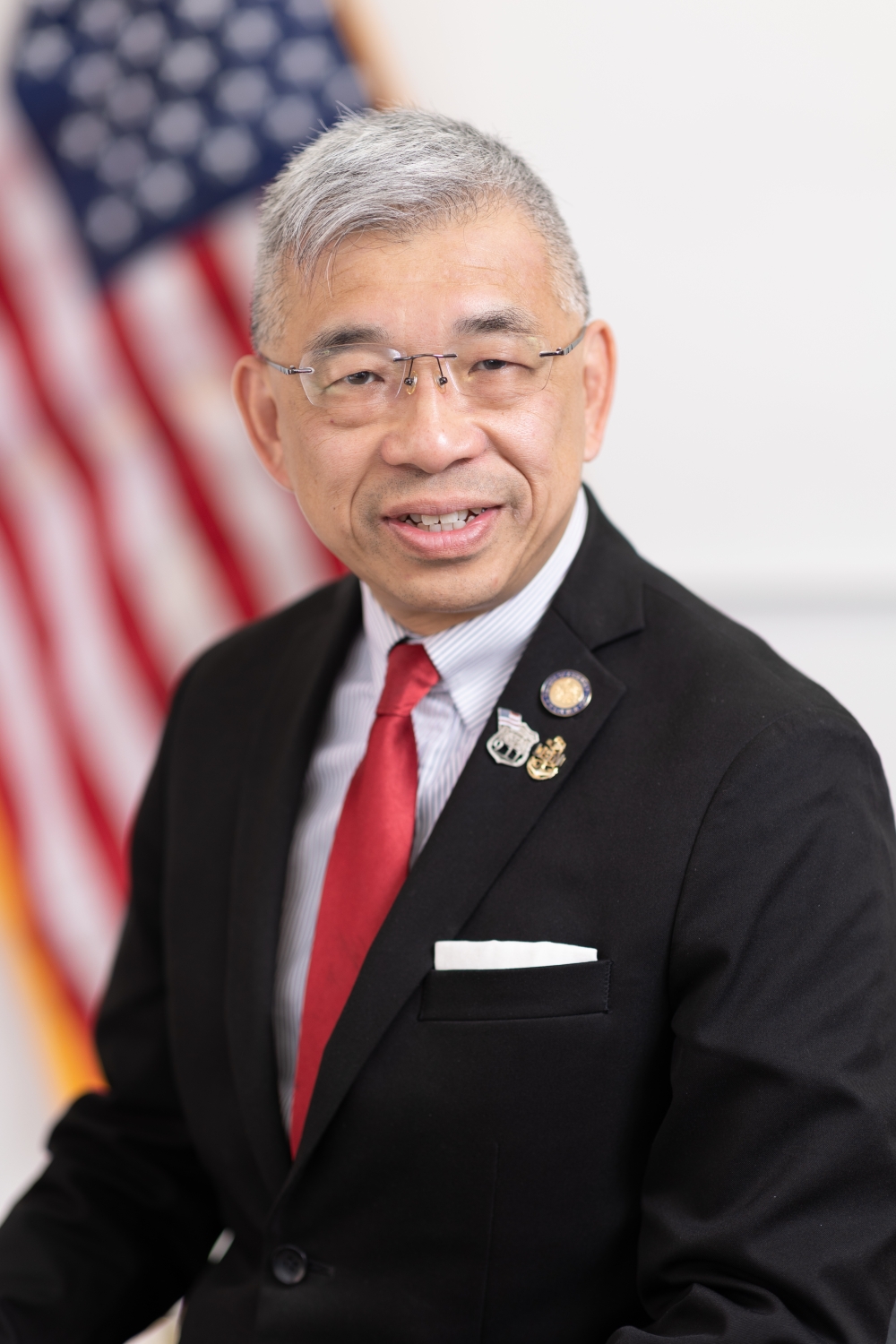
Asm. Lester Chang
Sponsored bills
Establishes a maximum age of seventy-two for service and a maximum enlistment or commission age of fifty for the New York naval militia and the New York guard; creates uniform and training requirements for the New York guard.
Prohibits the knowing sale, offer for sale, or delivery of xylazine to persons under the age of 21 and without proof of the intended use for institutional, veterinary, or scientific purposes.
Establishes the rare disease advisory council to identify best practices, raise awareness regarding rare diseases, evaluate barriers to access to care, and to make recommendations to the legislature and the governor.
Maddy summaryThis bill amends New York's military law to allow uniformed members of the New York National Guard who have received duty orders to ride for free on public transportation, including subways, buses, trains, ferries, and toll roads. The provision requires service members to be in uniform or present a valid duty order or certificate to qualify for the free passage. The changes apply to existing organized militia members and take effect 30 days after the bill becomes law.
Maddy summaryBill A 8082 establishes a new retirement service credit for members of public retirement systems who have served as volunteer firefighters or emergency service personnel. Eligible members can receive one year of service credit for every five years of volunteer service, up to a maximum of three years of credit for fifteen years of service. To qualify, members must have at least five years of other credited service and pay a fee equivalent to three percent of their compensation for the twelve months prior to application, for each year of credited volunteer service. This credit can be applied towards special twenty or twenty-five year retirement plans.
Relates to property tax exemptions for nonprofit organizations; allows for nonprofit organizations to file an application for an exemption with the assessor no later than the taxable status date applicable to the following year's assessment roll where such nonprofit organization has purchased property after the taxable status date but prior to the levy of taxes.
Directs the department of public service to promulgate rules, regulations and model policies regarding setback requirements for the siting of battery energy storage systems; requires minimum setback requirements for commercial energy storage systems, with a capacity of three megawatts or greater, of no less than seven hundred fifty feet from residential property and no less than three hundred feet from residential property located in a city with a population of one million or more inhabitants; requires public hearings prior to the approval of an application for a permit for such systems.
Requires any county, city, town or village that intends to install a traffic-control device outfitted with a camera provide public notice that they are installing a traffic-control device outfitted with a camera.
Maddy summaryThis bill establishes a constitutional process for citizens to remove statewide elected officials through a recall petition. It would allow registered voters to initiate a recall by filing an affidavit with a stated reason (not reviewed for validity) and gathering signatures equal to 12% of the previous election vote for the office, with at least 2,000 signatures from each congressional district. If enough signatures are certified, a recall election must be held 70-80 days later (or consolidated with the next general election), where a majority vote to remove the official. If removed, a successor is elected by plurality; the removed official cannot run again, and no new recall can occur for six months. The bill creates new constitutional language and requires the legislature to set procedures for petitions, elections, and costs.