

Includes offenses involving the possession, display or discharge of a firearm, rifle, shotgun, machine-gun, or disguised gun as qualifying offenses for the purpose of allowing a principal to be eligible to be held on bail.
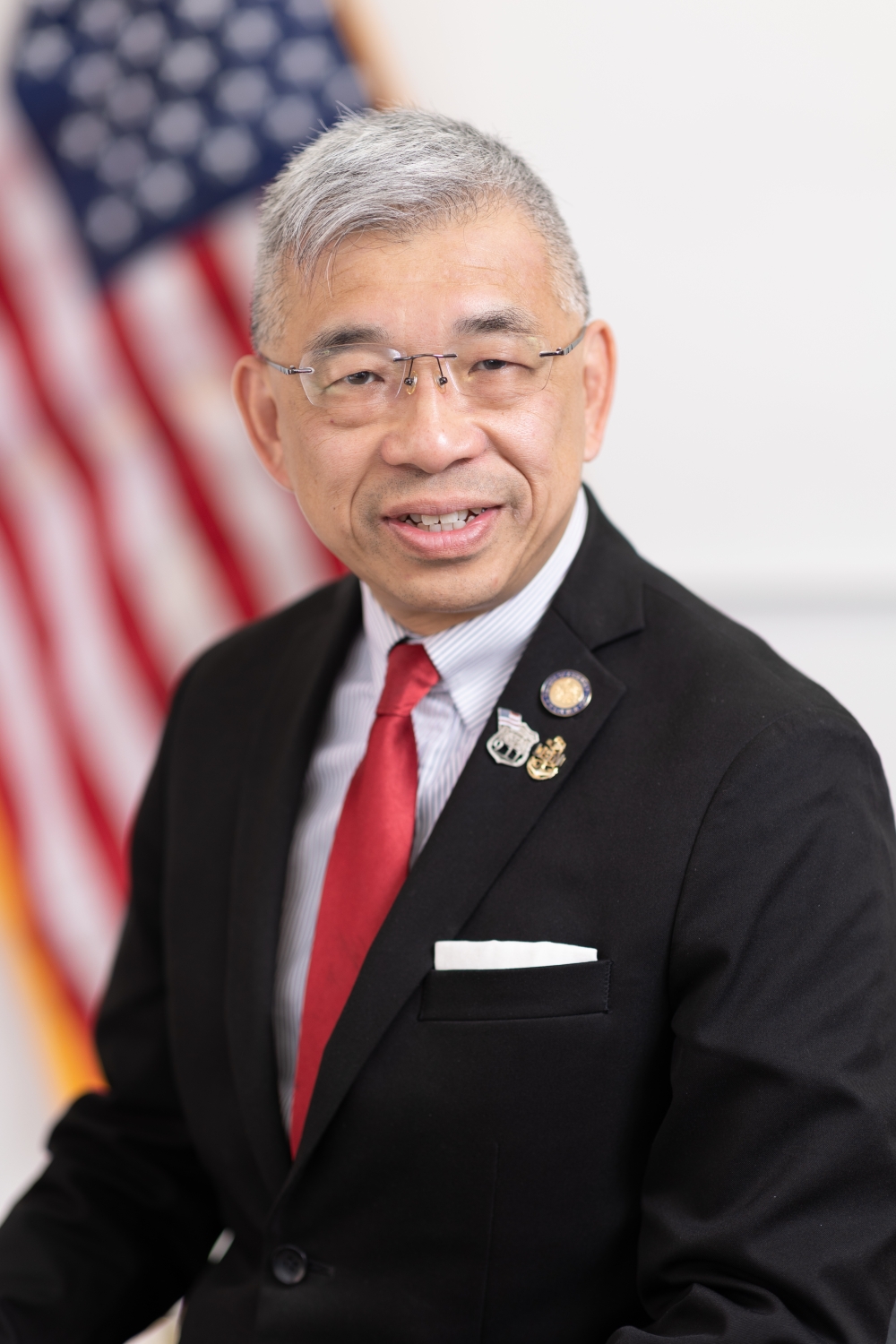
Asm. Lester Chang
Sponsored bills
Amends the New York state college choice tuition savings program to have the program also apply to elementary and secondary schools.
Prevents unfounded complaints against police officers, peace officers, firefighters, correction officers and emergency medical service providers from being disclosed or added to such police officer, peace officer, firefighter, correction officer or emergency medical service provider's personnel record.
Requires health care facilities to report incidents of a sexual offense to the departments of health and education.
Relates to the unlawful discharge of a loaded firearm toward any police officer, firefighter, corrections officer, peace officer, or emergency medical services personnel.
Relates to protecting witnesses in criminal prosecutions from intimidation and threats by permitting the court to withhold disclosure of names and other information if the court finds on the record that such witness is subject to potential intimidation, violence or threats.
Relates to qualifying offenses for pre-trial detention; adds class B felonies under article two hundred twenty of the penal law as qualifying offenses.
Provides that being eighteen years old or more, while in the course of committing rape in the first, second or third degree, criminal sexual act in the first, second or third degree, sexual abuse in the first degree, aggravated sexual abuse in the first, second, third or fourth degree, or incest in the first, second or third degree, against a person less than eighteen years old, he or she intentionally causes the death of such person.
Relates to sentencing and larceny of property of the elderly or disabled.
Enacts "Chelsey's law"; provides that a person commits the crime of manslaughter or aggravated manslaughter when he or she knows or has reasonable grounds to know that a controlled substance is likely to cause the death of another person and sells, administers, delivers, or causes the delivery of a controlled substance to another person and such substance causes, contributes to, or aids in the death of such other person.