

Maddy summaryThis bill expands retirement service credit eligibility for law enforcement officers within the New York State Division of State Police and several other agencies. It directly affects investigators and sworn officers employed by the New York Waterfront Commission starting July 1, 2023, as well as non-seasonally appointed sworn members, forest rangers, and police officers in the Department of Environmental Conservation. The legislation mandates that these individuals be covered under the same retirement provisions as state police officers and ensures their prior service is counted toward their total retirement credit. Additionally, it clarifies that service credit for state university police officers who meet specific training and tenure requirements will be calculated based on their final average salary. These changes are scheduled to take effect on July 1, 2026.
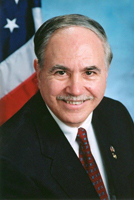
Asm. William Colton
Sponsored bills
Establishes a state seal of artistic achievement to recognize high school graduates who have attained a high level of proficiency in music, dance, theater, visual arts or media arts.
Maddy summaryThis bill allows the New York State Department of Environmental Conservation to enter into agreements or easements on state-owned reforestation lands to help connect renewable energy projects located outside those areas to the power grid. The legislation ensures that any such agreements will not disrupt the primary purposes of the reforestation areas, such as conservation and timber management. All agreements made under this authority must be recorded and made publicly available on the Department's official website. The bill takes effect immediately upon passage.
Maddy summaryThis bill requires New York public schools to provide plant-based food options upon request by a student or their parent/guardian. Schools must offer these meat-free alternatives (defined as USDA-recognized meat substitutes) at no extra cost compared to standard meals, and include this option in all food service descriptions. The policy applies to every meal or snack the student participates in, while allowing students to choose non-plant-based options if they prefer. It does not mandate schools to offer plant-based meals to all students, only to those who specifically request them.
Maddy summaryThis bill requires New York's environmental and health departments to establish new, stricter standards for lead in air, soil, and on surfaces like floors and window sills within 180 days. It directly affects all New Yorkers, especially children, by mandating that these standards protect against lead exposure from dust and contaminated surfaces - such as lead paint chips - that can cause health harm. The law specifies that the new standards must be at least as strict as current federal guidelines (40 CFR Part 745 as of January 13, 2025) and target blood lead levels fully protective of children's health. The bill expires one year after enactment unless extended, with immediate rule changes allowed for implementation.
Enacts the "faithless servant reform act", creating a rebuttable presumption of retaliation or discrimination for certain actions of an employer; provides that the employer maintains the burden of proof in certain actions against an employee; limits an employer's remedy of forfeiture against an employee's compensation.
Relates to prohibiting the exclusion of coverage for losses or damages caused by exposure to lead-based paint; provides that no insurer licensed or permitted by the superintendent to provide liability coverage to rental property owners shall exclude coverage for losses or damages caused by exposure to lead-based paint.
Enacts the "beauty justice act"; provides for the regulation of ingredients in personal care products and cosmetics; prohibits the sale of personal care products and cosmetic products containing certain restricted products.
Relates to the calculation of past service credit for members in the title of deputy sheriff who provided police protection or correction officer service transferring between the New York state and local employees' retirement system to the New York state and local police and fire retirement system.
Maddy summaryBill A 3026 redirects fines and penalties from environmental conservation law violations (such as those under titles 19, 21, and 27 of the environmental conservation law) into a dedicated "conservation enforcement account" within the state conservation fund. It affects environmental law enforcement officers and the Department of Environmental Conservation by requiring all such fines to fund enforcement activities like staffing, scientific work, and legal support. The bill mandates that these funds must supplement - rather than replace - existing enforcement budgets and requires annual expenditure reports to legislative leaders. Courts collecting fines must remit payments directly to this account, streamlining how penalty revenue supports environmental protection efforts.