

Maddy summaryThis bill requires health care plans (like insurers) to provide health care professionals with a written explanation and a 30-day review period before terminating or not renewing their contracts. It mandates a hearing panel composed of three licensed professionals - appointed jointly by the plan and the professional - to review termination decisions, ensuring impartiality and requiring decisions to be made within 30 days of a request. The bill explicitly prohibits termination for protected activities, such as advocating for patients, filing complaints, or requesting a hearing. It directly affects health care professionals and health care plans operating under New York’s public health and insurance laws.
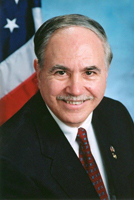
Asm. William Colton
Sponsored bills
Prohibits the use of drilling fluids, brine and flowback water from gas or oil wells, pools, or fields on any highway for any purpose including but not limited to de-icing or dust suppression.
Maddy summaryBill A 6909 requires all homeless shelters in New York City to be located at least 500 feet away from any transit facility, such as subway stations, bus stops, or train lines. This rule directly affects homeless shelters seeking to open or relocate within the city, as well as transit facilities like subway entrances or bus depots. The law defines "transit facility" broadly to include any infrastructure used for public passenger transportation, mail, or property transport. The policy change takes effect 90 days after the bill becomes law, applying specifically to NYC's administrative code.
Maddy summaryThis bill requires commercial landlords to make reasonable efforts to re-rent vacated premises when a tenant breaks their lease, rather than simply claiming full unpaid rent. It directly affects commercial landlords and tenants by mandating that landlords actively seek new tenants at fair market value or the original lease rate (whichever is lower), reducing the damages they can claim from the departing tenant. Key provisions state that a new lease signed under these conditions automatically ends the previous tenant's liability, and any lease clause attempting to exempt landlords from this duty is void. The law applies exclusively to commercial leases, excluding residential properties and real estate purchase contracts.
Requires manufacturers with gross annual beverage sale revenues of ten million dollars or more, beginning January 1, 2030, to sell and distribute plastic beverage containers with tethered plastic beverage caps or openings from which the beverage can be consumed while the plastic beverage cap remains screwed onto or otherwise affixed to the plastic beverage container; requires manufacturers with gross annual beverage sale revenues of one million dollars or more to comply by January 1, 2033.
Maddy summaryThis bill sets new requirements for who can supervise mental health counselors and marriage and family therapists in New York. It specifies that supervisors must have at least three years of active licensure, diagnostic privileges, and 36 hours of specialized training in supervision ethics. The bill also clarifies that supervised experience gained under certain department waivers - such as in settings operating under temporary authorization - can count toward licensing requirements. These changes apply directly to professionals seeking licensure and those providing supervision in the mental health counseling field.
Maddy summaryThis bill requires large group health insurance plans to cover the cost of hearing aids when medically necessary, directly affecting insured individuals with hearing loss. Insurers must cover hearing aids dispensed by registered audiologists or hearing aid dispensers after a medical evaluation, with a $2,500 annual limit per ear every 36 months. The law prohibits insurers from denying coverage based on hearing aid brand, style, or circuit type and mandates in-network provider coverage. It applies to all relevant policies issued or renewed after its effective date (January 1 following enactment).
Maddy summaryThis bill establishes New York's First Home Savings Program, creating tax-advantaged savings accounts for first-time home buyers. It directly affects New York residents who have never owned a primary residence (including those with mobile homes but excluding those who claimed home tax deductions), allowing them to save for purchasing a home in the state. Key provisions include tax incentives under state law, strict rules defining "first-time buyer" status, and requirements that funds be used only for qualified home purchases (houses, condos, or co-ops) within New York as a primary residence. Withdrawals for non-qualified purposes face penalties, while exceptions exist for death, emergencies, or military service. The program is managed by the state comptroller and requires accounts to be held at approved financial institutions.
Relates to outdoor restraints of dogs; prohibits inhumane tethering, including during dangerous weather conditions when a weather alert, advisory or warning is in effect; provides for civil penalties for violations.
Provides that persons charged with a parking violation shall be able to make an electronic court appearance unless a locality elects not to permit electronic appearances.