

Maddy summaryBill A 3365 limits the timeframe insurance companies have to recover overpayments from healthcare providers. It reduces the "lookback period" from the current 24 months to 12 months after the original payment was received. This means health plans must initiate overpayment recovery efforts within one year. However, this 12-month limit does not apply if the overpayment recovery is based on suspected fraud, intentional misconduct, abusive billing, or if it's initiated by a self-insured plan or government program. This bill directly affects how health insurance companies and healthcare providers manage financial discrepancies.
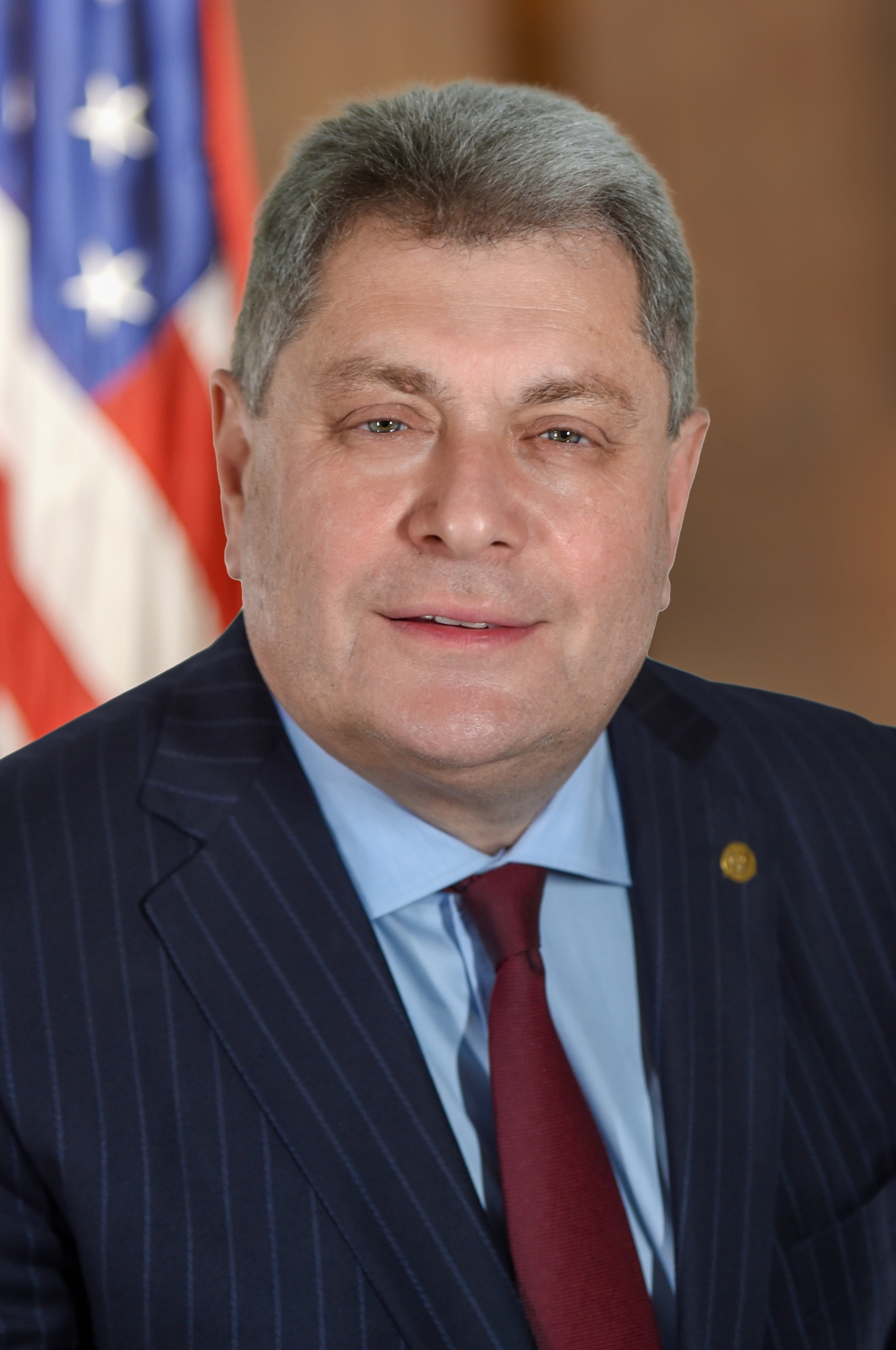
Asm. Alec Brook-Krasny
Sponsored bills
Prohibits persons affiliated with terror organizations from being appointed to permanent, temporary or provisional positions in the state civil service system.
Directs the commissioner of education, in conjunction with the superintendent of state police and the commissioner of the division of homeland security and emergency services, to establish standards for the security and safety of school grounds.
Enacts the "learning for work act"; establishes the youth apprenticeship program and the enhanced regents professional diploma; appropriates moneys therefor.
Provides that the comptroller shall examine and audit all state or federal funds appropriated or received for the humanitarian aid including short term shelter services to migrant individuals and families, including costs associated with humanitarian emergency response and relief centers for individuals entering short term shelter on or after April 1, 2024 in New York city or any other municipality in New York state.
Relates to qualifying offenses for pre-trial detention; adds class B felonies under article two hundred twenty of the penal law as qualifying offenses.
Maddy summaryThis bill (A 8971) creates a process to assess how New York schools teach Italian American heritage history. The state education commissioner must survey school districts on topics like which grades cover this history, curriculum used, and challenges faced. An advisory committee of appointed experts will then review the survey results and recommend improvements to K-12 curriculum and teaching resources. The committee must submit recommendations within two years and disband after that, with the entire process expiring three years after enactment. The bill directly affects school districts and state education officials, but does not mandate specific curriculum changes.
Maddy summaryThis bill increases criminal penalties for assaulting, stalking, or harassing elected officials in New York State. It specifically targets acts causing serious injury to officials (including local leaders like town board or school board members) or threatening their safety, making these offenses felonies with higher penalties. Assault becomes a class C felony, aggravated assault a class B felony, stalking a class D felony, and certain harassment a class E felony. These changes apply to anyone who intentionally harms an official or their immediate family while they perform public duties.
Maddy summaryThis bill amends New York's penal law to explicitly include fires caused by manufacturing controlled substances (like illegal drugs) within the definition of first-degree arson. It directly affects individuals who manufacture controlled substances and cause fires, whether to buildings, contents, or people, by expanding the circumstances that trigger this severe felony charge. The key change adds that "while manufacturing, attempting to manufacture or endeavoring to manufacture a controlled substance in violation of article two hundred twenty," causing fire or destruction now qualifies as first-degree arson. This creates a specific legal pathway to prosecute drug manufacturing operations that result in fires, without altering the underlying drug laws.
Maddy summaryThis bill requires the Office of Victim Services to create specific procedures for notifying crime victims about the address confidentiality program. The program allows victims to keep their home addresses private to enhance safety. The notification must be part of standardized procedures used by police, sheriffs, and state police when interacting with victims. It directly affects individuals who are victims of crime in New York State. The law mandates this change to ensure victims are informed about available safety resources.