

Includes falsely reporting incidents in an attempt to bring about the dispatch of a large number of police officers to a particular address or location as a felony offense under the crime of falsely reporting an incident in the second degree.
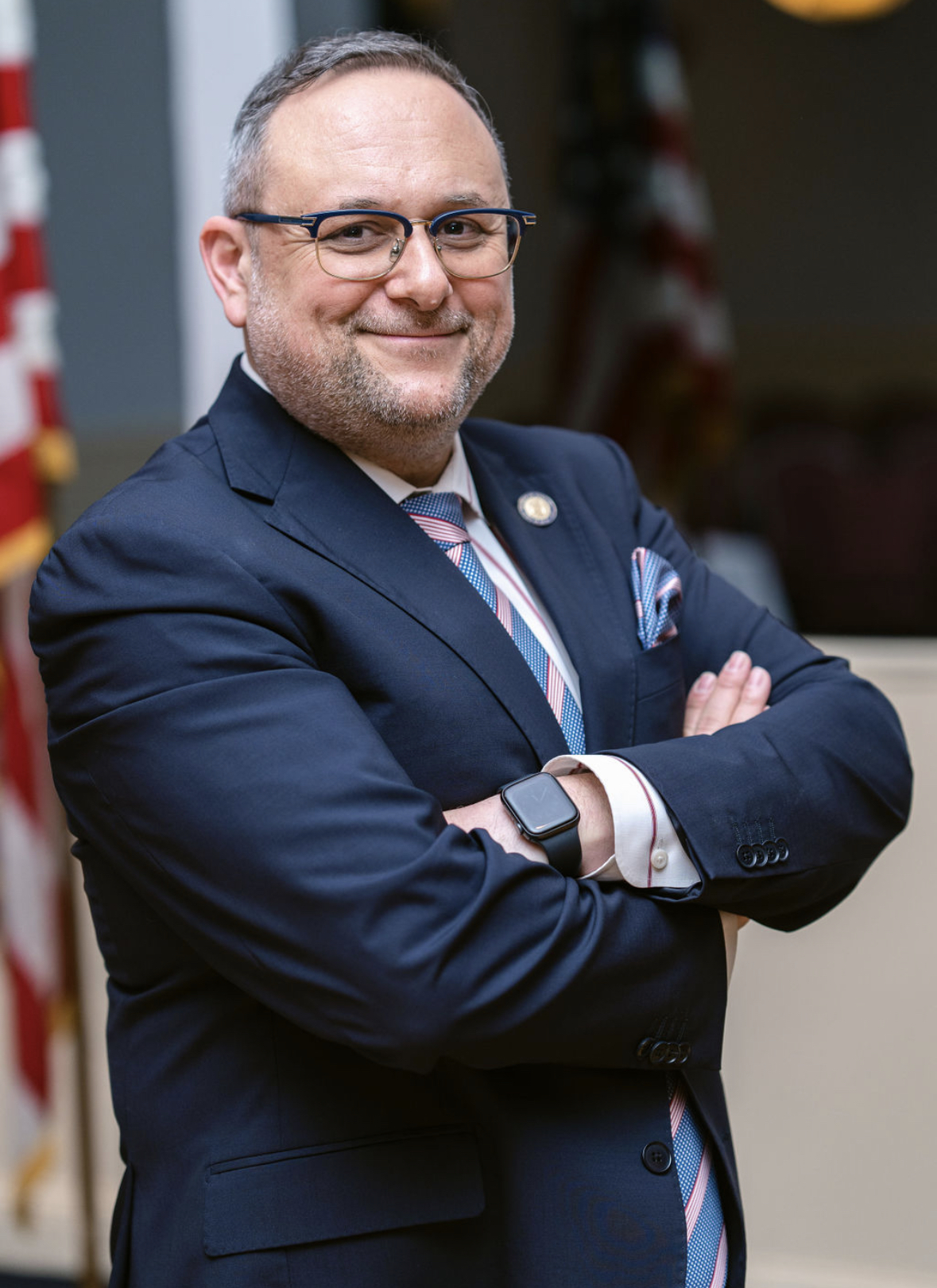
Asm. Misha Novakhov
Sponsored bills
Maddy summaryThis bill creates a new class E felony offense for intentionally interfering with police officers during their duties. It specifically prohibits actions like spitting on officers, throwing objects, or physically pushing, shoving, or blocking them while they are performing official tasks. The law defines obstruction as a criminal act punishable by up to four years in prison, applying directly to individuals who disrupt officer safety or operations. The bill does not include exceptions or additional context beyond these specific prohibited behaviors.
Enacts the "food safety and chemical disclosure act"; prohibits certain food additives and food color additives; provides that in an action to enforce compliance, the recognition by the federal food and drug administration of any of these substances as safe may not be alleged as a defense; establishes requirements for the reporting of GRAS (generally recognized as safe) substances.
Maddy summaryThis bill (A 4124) creates a new crime called "aggravated grand larceny" for individuals who steal motor vehicles and have a prior conviction for similar theft (grand larceny in the fourth degree) within the past five years. It classifies this offense as a class D felony, punishable by up to seven years in prison. The bill directly affects repeat offenders who commit vehicle thefts, making their second such offense a more serious felony. The law updates legal definitions in the penal and criminal procedure codes to include this new category for sentencing and bail considerations.
Enacts the "stop Anti-Semitism on college campuses act" to ensure no state aid is granted to any college or university that authorizes, facilitates, provides funding for, or otherwise supports any event promoting Anti-Semitism on campus; defines "Anti-Semitism".
Enacts the criminal street gang abatement act which provides enhanced penalties for persons involved with criminal street gangs; establishes the crime of gang solicitation of minors on school grounds; allows for roving interceptions by police after adequate cause is shown; establishes the witness protection fund.
Maddy summaryThis bill establishes a compensation program for SNAP (supplemental nutrition assistance program) and cash assistance recipients who had their benefits stolen or defrauded. It creates a dedicated $1.5 million fund (funded by a one-time appropriation from the general fund) to pay eligible individuals after fraud is verified by state agencies. The program requires an application process available in English and the ten most common non-English languages spoken in New York State.
Maddy summaryThis bill would stop the city of New York from installing parking meters on specific streets that are mostly residential. It defines a residential street as one where between 50% and 75% of the buildings are homes rather than commercial spaces. The rule applies immediately and is intended to reduce metered parking in neighborhoods with a high concentration of dwellings.
Maddy summaryThis bill designates a specific segment of State Route 908H in Kings County as a memorial dedicated to first responders. The designated stretch runs between Shore Parkway and Avenue Z and will feature official signage reading "Highway Dedicated to First Responders." While the bill establishes this ceremonial dedication, it explicitly states that the highway's official name will not change to prevent confusion or commercial disruption. The legislation takes effect immediately upon passage.
Maddy summaryThis bill restricts local governments in New York from setting maximum prices on groceries unless a state of emergency has been officially declared. It clarifies that existing emergency powers are temporary and should not be used to impose permanent price controls that could disrupt food supply chains. By prohibiting non-emergency price freezes, the legislation aims to prevent market shortages and ensure that resources are directed toward direct assistance programs rather than artificial price suppression. The law takes effect immediately and applies to all cities, counties, and municipalities within the state.