

Requires bicycles with electric assist and electric scooters in a city with a population of one million or more be registered with the department of motor vehicles and have a license plate affixed to such bicycle with electric assist or electric scooter.
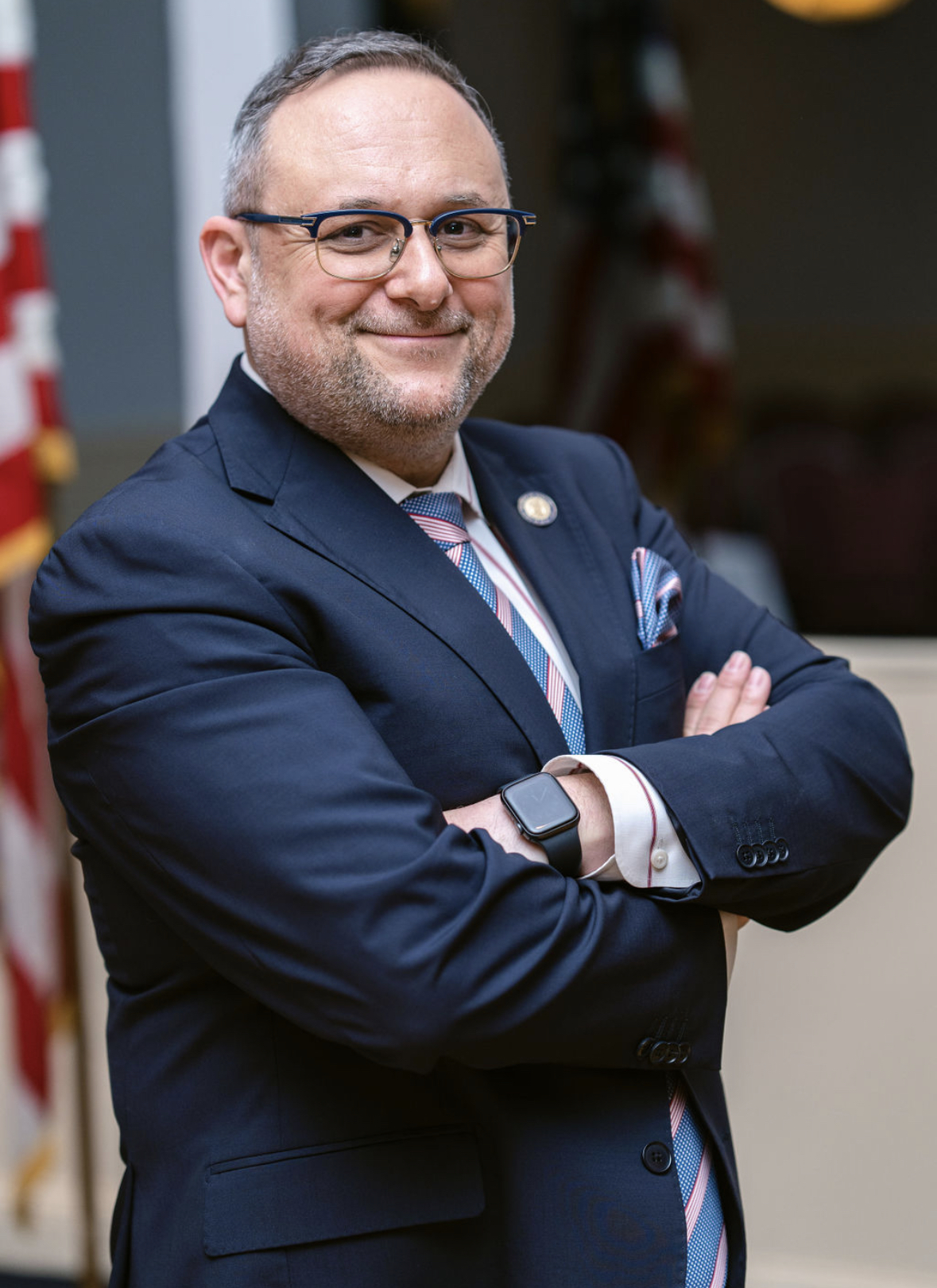
Asm. Misha Novakhov
Sponsored bills
Relates to being a good samaritan; adds "reasonable intervention" as a reason to be protected from liability; provides that a person may use physical force when and to the extent that such person reasonably believes that reasonable intervention is necessary to maintain order, but may use deadly physical force only when such person reasonably believes that reasonable intervention is necessary to prevent death or serious physical injury; appropriates $500,000 for public service announcements and community-based training programs aimed at educating people about the legal protections and responsibilities of being a good samaritan.
Maddy summaryThis bill (A 9110) amends New York State's Penal Law to elevate assaults against employees of the New York City Department of Parks and Recreation to a class D felony. It directly affects individuals who physically harm these workers while they are performing their duties. The key provision adds "employee of the New York city department of parks and recreation" to a list of protected public workers (including police, firefighters, and sanitation staff) whose assault is now punishable as a class D felony. This change increases the legal penalty for such assaults, moving them from a lower-level offense to a more serious criminal charge. The bill was referred to the Codes committee on September 26, 2025.
Eliminates provisions exempting employees with disabilities from the minimum wage law; provides that laws or minimum wage orders that authorize an employer to pay a wage that is less than the minimum wage are valid provided that under such laws or orders an employee with a disability is paid the same wage as an employee in a comparable position that does not have a disability.
Provides an exemption for the sale of the first $35,000 for a battery, electric, or plug-in hybrid electric vehicle from state sales and compensating use taxes; authorizes local governments to elect such incentives; repeals the hybrid exemption after ten years.
Maddy summaryThis bill (A 4861) increases fines for public urination or defecation in New York City to $500 per violation. It directly affects individuals who commit these acts in public spaces, replacing previous penalty tiers with a flat $500 fine for each offense. The bill amends specific sections of the city’s administrative code to set this new maximum penalty, removing prior distinctions for first or repeat offenses related to public urination or defecation.
Requires instruction in arts and music education to be incorporated into curriculums for all public school students; requires school districts to ensure that appropriately certified teachers are providing such education; authorizes rules and regulations consistent with such provisions.
Maddy summaryThis bill (A 4761) prohibits New York state agencies from contracting with entities that boycott certain U.S. allies, defined as NATO members, Israel, Japan, South Korea, Ireland, and other specified nations. It requires the commissioner to publish an annual list of boycotting entities and mandates contractors to certify they are not on this list when bidding for state contracts. Exemptions allow limited exceptions for past boycotts that ceased or for critical services essential to state operations. The law creates a formal process for entities to challenge their inclusion on the list and for agencies to enforce compliance through contract penalties.
Prohibits any cannabis related advertisements in establishments within a certain distance from schools; increases penalties for prohibited advertisement of tobacco and cannabis products; requires enforcement inspections.
Maddy summaryThis bill amends New York's family court procedures to tighten when youth court cases may be transferred to family court. It requires courts to deny such transfers if defendants caused serious injury, displayed weapons (including firearms), or committed certain sexual offenses as defined in criminal law. The bill repeals section 725.15 of the criminal procedure law and updates victim notification rules for dispositional hearings. These changes directly affect youth defendants, family courts, and prosecutors handling cases involving minors.