

Maddy summaryThis bill sets new requirements for who can supervise mental health counselors and marriage and family therapists in New York. It specifies that supervisors must have at least three years of active licensure, diagnostic privileges, and 36 hours of specialized training in supervision ethics. The bill also clarifies that supervised experience gained under certain department waivers - such as in settings operating under temporary authorization - can count toward licensing requirements. These changes apply directly to professionals seeking licensure and those providing supervision in the mental health counseling field.
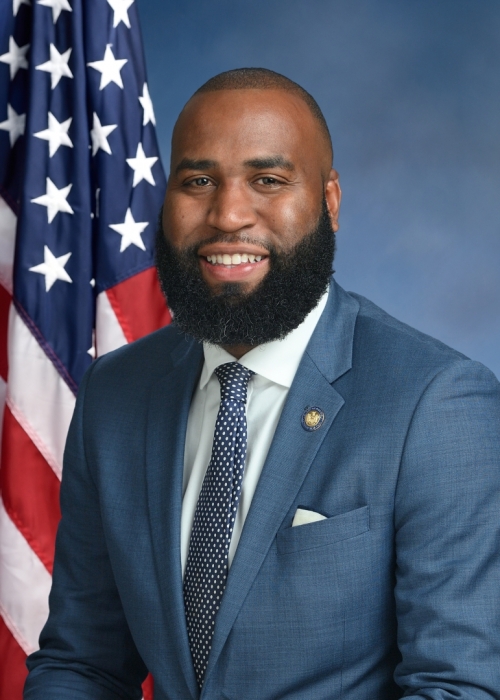
Rep. Brian Cunningham
Sponsored bills
Maddy summaryThis bill establishes New York's First Home Savings Program, creating tax-advantaged savings accounts for first-time home buyers. It directly affects New York residents who have never owned a primary residence (including those with mobile homes but excluding those who claimed home tax deductions), allowing them to save for purchasing a home in the state. Key provisions include tax incentives under state law, strict rules defining "first-time buyer" status, and requirements that funds be used only for qualified home purchases (houses, condos, or co-ops) within New York as a primary residence. Withdrawals for non-qualified purposes face penalties, while exceptions exist for death, emergencies, or military service. The program is managed by the state comptroller and requires accounts to be held at approved financial institutions.
Provides that persons charged with a parking violation shall be able to make an electronic court appearance unless a locality elects not to permit electronic appearances.
Establishes a 14 member doula Medicaid reimbursement work group within the department of health to set reimbursement rates for doulas in the state Medicaid program and address other criteria related to their practice; requires the work group to conduct a study and evaluate the costs, benefits and issues that may be associated with Medicaid reimbursement for doulas and for providing doula care to Medicaid recipients; makes related provisions.
Relates to utilization review program standards; requires use of evidence-based and peer reviewed clinical review criteria; relates to prescription drug formulary changes and pre-authorization for certain health care services.
Provides for the licensure of school psychology practitioners; authorizes the use of the title "licensed school psychology practitioner" to licensed or exempt individuals; defines practice of licensed school psychology practitioners; sets forth requirements for professional licensure (including educational attainment, experience, exam and fee); provides for issuance of limited permits under specified circumstances; identifies exempt persons; establishes mandatory continuing education requirements.
Provides for the creation of an ebony alert system to be activated on behalf of Black youth who are reported missing under unexplained or suspicious circumstances, at risk, developmentally disabled, or cognitively impaired, or who have been abducted.
Maddy summaryThis bill establishes the "First Responder Peer Support Program Act" to create a statewide grant program for peer-to-peer mental health support services. It directly affects first responders - including firefighters, police officers, EMTs, 911 operators, and correctional officers - by providing funding for local programs offering trauma-informed training and mental health resources. Key provisions include requiring standardized training on trauma, suicide prevention, and resilience; mandating strict confidentiality for participants; and prohibiting disclosure of personal information to employers. Grants are allocated to eligible local entities, with annual reports tracking program use without identifying individuals.
Requires gas corporations to file maps with the public service commission annually to assess leak-prone gas infrastructure and the decommissioning of such leak-prone gas lines; requires the public service commission to publish such maps and certain accompanying documents on the commission's website; directs the public service commission to designate neighborhood priority decarbonization zones.
Maddy summaryThis bill (A 9571) increases family leave benefits under New York's workers' compensation law, directly affecting eligible employees taking leave for medical care, bonding with a newborn, or military family exigencies. It gradually raises weekly benefit percentages (from 50% to 67% of average weekly wage) and extends maximum leave duration (from 8 to 12 weeks) over time, with specific phased-in dates starting in 2018. Covered employers must provide these enhanced benefits while maintaining health insurance coverage during leave. The changes apply to employees meeting eligibility criteria under the law, with the Superintendent of Financial Services retaining limited authority to delay increases.