

Establishes a reproductive health services training and education grant program to train licensed providers and interns or residents who are employed by a hospital or otherwise enrolled in an accredited graduate medical education program in the performance of abortion and related reproductive health services; establishes the reproductive health training and education fund.
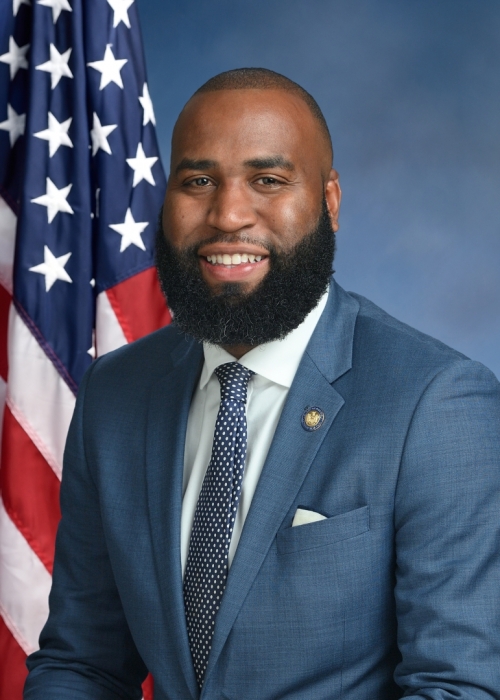
Asm. Brian Cunningham
Sponsored bills
Maddy summaryThis bill requires all City University of New York (CUNY) institutions to adopt a formal "Students' Bill of Rights" in their policies. It directly affects CUNY students by guaranteeing specific rights, including student representation on policy-making bodies, student participation in conduct hearings, designated free speech spaces, and protections for student journalists (no prior censorship except for illegal content like libel or threats). The bill mandates that institutions post these policies online and provide them to all students, with student leaders also gaining guaranteed communication channels to the student body. It does not apply to SUNY institutions, as the title incorrectly states, and takes effect July 1, 2025.
Enacts the state and local government food waste prevention and diversion act; requires facilities generating excess food waste to take measures to minimize such waste.
Maddy summaryBill A 5320 expands tuition assistance eligibility in New York to include students experiencing homelessness, aligning with federal McKinney-Vento Act standards. It requires the state to adopt a uniform verification method for homelessness status using the same federal guidelines applied to student financial aid. The bill also clarifies that homeless students (classified under federal foster care or McKinney-Vento criteria) cannot be considered "emancipated" for aid purposes, ensuring they retain eligibility without requiring parental control relinquishment. This directly affects homeless students seeking state tuition assistance under New York’s education law.
Expands eligibility for the tuition assistance program by restoring eligibility to graduate students; makes optional semesters, quarters or terms eligible for awards.
Establishes state and municipal composting programs; requires all state and municipal agencies to establish a composting program in buildings owned, occupied or operated by such agencies; allows such agencies to arrange for collection of compostable waste by a private carter, transport such waste itself or process such waste on-site; requires reports on the costs and effectiveness of such programs.
Maddy summaryThis bill requires all public elementary schools in the state to begin classes no earlier than 8:00 a.m. and public secondary schools no earlier than 8:30 a.m. It directly affects public K-12 schools by setting mandatory start times for all academic years starting after the law takes effect. The key mechanism ties school funding to compliance: schools must report verified start times in annual reports to receive state apportionments, with noncompliant schools losing funding eligibility. The law takes effect immediately for all academic years beginning on or after its effective date.
Permits other qualifying members of a household to qualify the household for the disability rent increase exemption when they are not the head of household.
Maddy summaryBill A 2266 requires state agencies operating prisons and youth detention facilities to provide incarcerated individuals with free voice communication services (and optionally video or messaging), effective April 1, 2026. It prohibits facilities from charging inmates for these services or generating revenue from them, and mandates that communication services cannot replace in-person visit programs. The bill repeals the existing correction law section on this topic and adds new requirements for agencies managing correctional facilities. This directly affects all people confined in state correctional facilities by guaranteeing free communication access with external contacts.
Relates to employment of persons and veterans with disabilities by the state; provides up to five thousand positions may be filled by persons with a physical or mental disability and up to two thousand positions may be filled by disabled veterans and veterans with disabilities.