

Maddy summaryThis bill establishes a new progressive income tax structure for high-income New York taxpayers by creating multiple tax brackets with increasing rates as income rises. It directly affects New York residents earning above certain thresholds, with the highest rates applying to incomes over $5 million (up to 24% for some filing statuses). Key provisions include setting specific tax rates for different income ranges - for example, 10.90% for incomes over $25 million and 24% for incomes over $20 million for certain filers. The bill modifies existing tax law to implement these bracketed rates, replacing previous structures.
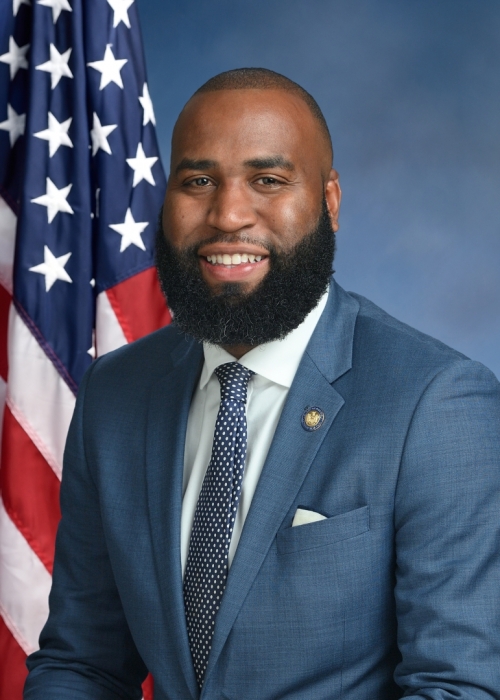
Asm. Brian Cunningham
Sponsored bills
Expands eligibility for participation in the pre-licensing course internet pilot program; extends such provisions of law from June 30, 2025 to June 30, 2030.
Maddy summaryBill A 2667 establishes an independent inspector general in every county to oversee police departments and investigate misconduct allegations. Each county legislative body must appoint this official, who will investigate police operations, review policies, and make recommendations to improve effectiveness, public safety, and civil rights protection. The inspector general must report annual findings to the county legislature and district attorney. This law directly affects all county police departments by creating a new, independent oversight role focused on accountability and transparency.
Maddy summaryThis bill changes the definition of "aggravated cruelty to animals" by removing the requirement that physical injury must be "serious" to qualify. It now covers intentional killing or causing any physical injury to companion animals when done with extreme pain or in a depraved/sadistic manner. The law directly affects individuals who commit animal cruelty, lowering the threshold for prosecution by no longer requiring severe injury. The key change is simplifying the legal standard to focus on the perpetrator's intent and method rather than the severity of the injury.
Enacts the "Community Violence Intervention and Prevention Act"; provides findings for evidence-based and evidence-informed health programs from hospital-based and community-based programs.
Maddy summaryThis bill makes assaults on seniors (65+) occurring while they are using, attempting to use, or accessing public transportation a class D violent felony. It directly affects seniors using public transit and sets a penalty of up to 7 years in prison for such assaults. The key provision adds a new legal definition to the penal law specifically covering reckless or intentional physical injury to seniors in public transportation settings. This changes the legal classification for these incidents from a lesser offense to a more serious felony.
Prohibits the manufacture, modification, sale, transfer, equipping, use, or operation of a robotic device or an uncrewed aircraft equipped or mounted with a weapon within the state.
Provides for automatic voter registration and pre-registration for persons applying for certain department of motor vehicles documentation, and for persons applying for or re-enrolling in Medicaid; allows individuals to decline such automatic registration and pre-registration.
Provides for the return of fines, restitution and reparation payments and any interest thereon where a defendant is subsequently pardoned upon the ground of innocence or the conviction is reversed or vacated.
Maddy summaryThis bill amends New York's Public Health Law to establish new standards for health care in correctional facilities. It defines "correctional health care facility" as any part of a prison or jail providing health services under correctional authority, and requires the health commissioner to create regulations for these facilities' operation, construction, and standards. The bill mandates annual reviews of health care policies in correctional settings - specifically for HIV, AIDS, hepatitis C, and COVID-19 care - to ensure they meet medical standards, with public notice and transparency about findings. These changes directly affect incarcerated individuals, correctional facilities, and health care providers operating within jails and prisons.