

Establishes the electric landscaping equipment rebate program to reduce greenhouse gas emissions, improve air quality, and reduce noise pollution by promoting the adoption of quieter, zero-emission landscaping equipment; provides for rebates at the point of sale for applicants purchasing or leasing certain equipment; provides for the repeal of such provisions upon expiration thereof.
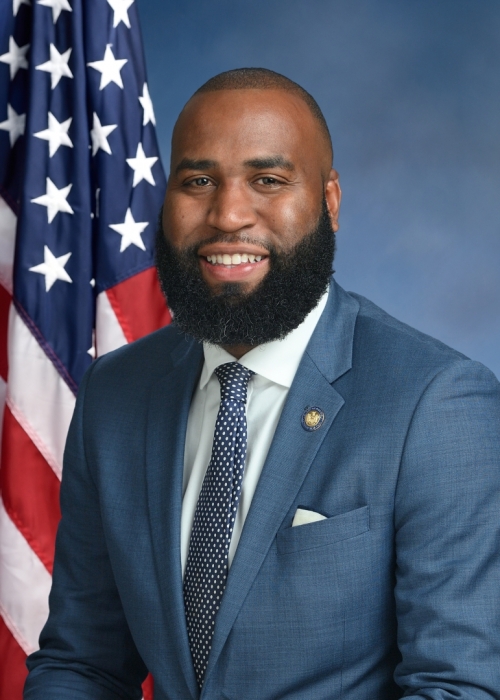
Rep. Brian Cunningham
Sponsored bills
Maddy summaryThis bill amends New York's alcoholic beverage control law to allow brewery supply stores to sell New York state-labeled beer for customers to take home. Currently, these stores are defined as places selling ingredients and equipment for making beer at home, and the legislation explicitly adds them to the list of businesses permitted to hold a license for off-premises beer sales. Under the new rules, any brewery supply store with such a license would be restricted to selling only beer produced within New York state. The changes would take effect thirty days after the bill becomes law.
Establishes the build up New York pilot program to provide grants to eligible municipalities that construct new accessory dwelling unit housing projects built on top of existing buildings that utilize mass timber and serve certain households; establishes the mass timber for affordable housing program to provide tax credits for eligible taxpayers who use mass timber in certain new construction or major retrofits of existing buildings that primarily serve households up to one hundred fifty percent of the area median income; establishes tax credits for mass timber production.
Relates to the topics of the course required to be taken by practitioners certifying patients as eligible for medical cannabis; establishes the endocannabinoid system awareness program; requires the office of cannabis awareness and the department of health to publish information about the endocannabinoid system awareness program on their websites.
Maddy summaryThis bill requires the New York State Thruway Authority to hold public hearings and provide advance notice before implementing new fees, surcharges, or significant changes to existing charges. The law mandates that the authority publish details about proposed costs, notify affected customers, allow at least thirty days for public comments, and conduct a public hearing where the reasoning behind the charges is explained. If the authority fails to follow these steps, any new fees or surcharges adopted in violation of the bill will be considered invalid and unenforceable. These requirements apply to all administrative fees, service charges, and toll-related assessments imposed on drivers and toll account holders.
Establishes a pilot program to provide grants to local education providers to implement high-impact tutoring programs prioritizing low-income or underserved students to address student learning loss or unfinished learning resulting from the COVID-19 pandemic.
Permits other qualifying members of a household to qualify the household for the disability rent increase exemption when they are not the head of household.
Maddy summaryThis bill creates a state-funded program to provide health insurance coverage to New Yorkers who lose eligibility for federal subsidies due to their immigration status. It establishes a new state premium assistance program that offers financial help equivalent to federal tax credits for lawfully present individuals who are currently ineligible for federal aid. Additionally, the legislation expands eligibility for existing state coverage to include more noncitizens and increases income limits for pregnant individuals and their newborns, with some provisions funded directly by state money regardless of federal approval.
Increases the number of package store licenses able to be held by one person to two; permits certain licensees to buy and sell from other certain licensees.
Provides a defense from liability for certain department of sanitation vehicles standing, stopped, or parked in violation of certain bus lane restrictions in New York city.