

Maddy summaryThis bill establishes a new health coverage option under New York's 1332 state innovation program, allowing the state to create a health plan for specific uninsured New Yorkers who don't qualify for Medicaid or ACA marketplace plans. It directly affects residents under 65 with household incomes between 133% and 250% of the federal poverty line, including some noncitizens ineligible for Medicaid due to immigration status. Key provisions include requiring coverage for essential health services (like cancer care access at Medicaid rates, dental, vision, and chronic illness support), automatic enrollment for children born to eligible parents, and continued coverage during pregnancy for one year postpartum. The program requires federal approval under the ACA's Section 1332 waiver process and operates alongside existing Medicaid and marketplace plans.
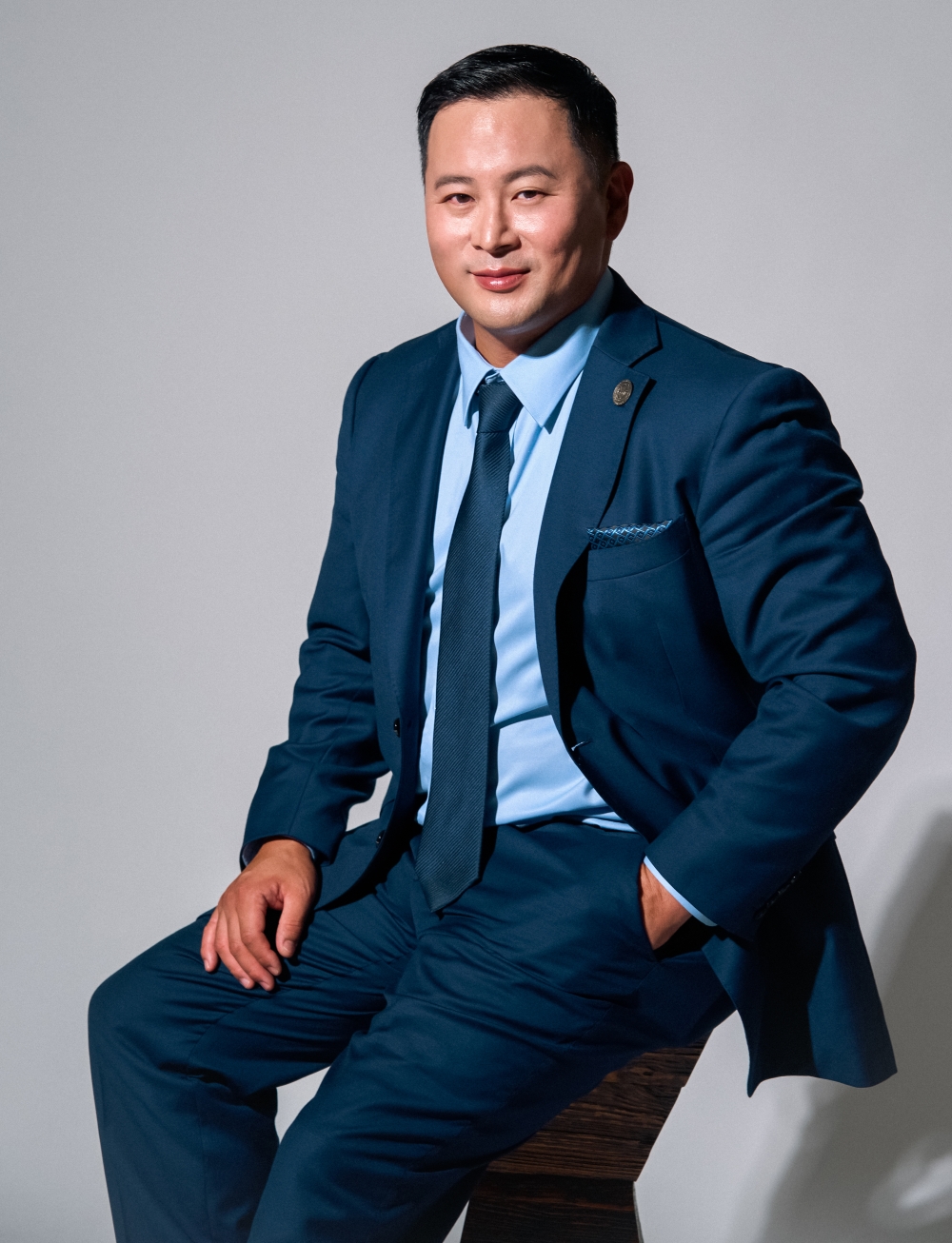
Asm. Ron Kim
Sponsored bills
Maddy summaryThis bill establishes a new progressive income tax structure for high-income New York taxpayers by creating multiple tax brackets with increasing rates as income rises. It directly affects New York residents earning above certain thresholds, with the highest rates applying to incomes over $5 million (up to 24% for some filing statuses). Key provisions include setting specific tax rates for different income ranges - for example, 10.90% for incomes over $25 million and 24% for incomes over $20 million for certain filers. The bill modifies existing tax law to implement these bracketed rates, replacing previous structures.
Maddy summaryThis bill (A 7917) requires New York municipalities to obtain state legislative approval before selling, leasing, or redeveloping public parkland. It mandates that any such proposal must include a replacement parkland of equal size, value, and recreational use - unless the sale is for a utility easement or a lease for a public park facility. The bill creates a formal review process where municipalities must first secure state office certification that their proposal meets these requirements. This directly affects cities, towns, and villages seeking to alter parkland use, ensuring public park access is preserved through mandated replacement.
Relates to protecting the communication rights of individuals with disabilities; provides that each person with a disability has the right to communicate in their preferred manner.
Enacts the "local, community and ethnic media commitment act"; requires state agencies to publish certain information in local, community and ethnic media; defines local, community and ethnic media; requires the office of general services to develop and maintain a list of local, community and ethnic media outlets.
Enacts the "faith-based affordable housing act" for development on residential land; defines terms; provides that each village, town, and city shall allow the construction and occupation of residential buildings on any covered site up to the specified densities; provides that all residential buildings constructed pursuant to this section in a town, village, or city with fewer than one million inhabitants shall set aside twenty percent of the residential floor area for households earning an average of eighty percent of area median income; outlines the densities for New York city; makes related provisions.
Reinstates a bank tax based on the highest of four bases: a tax on allocated entire net income, a tax on allocated alternative entire net income, a tax on allocated taxable assets, or a fixed dollar minimum tax; prohibits banks from segregating their income and capital into business and investment varieties.
Maddy summaryThis bill changes New York's parole process by requiring the state board of parole to consider specific factors before granting release. It mandates evaluation of rehabilitation efforts (like programs, therapy, and work assignments), release plans (including housing, jobs, and support services), and deportation status, while prohibiting decisions based mainly on victim statements or prior criminal records. Parole denials must include detailed written explanations, and the board must report quarterly to lawmakers with demographic data on denied cases (excluding individual identities). These changes aim to standardize parole decisions and increase transparency.
Maddy summaryThis bill restores a 20-year service requirement for normal retirement benefits for New York City police officers, reversing a 2012 change that raised the requirement to 22 years. It directly affects NYPD police/fire members under the New York City Police Pension Fund, allowing them to qualify for normal retirement benefits after 20 years of service instead of 22. The key mechanism amends three sections of the Retirement and Social Security Law to specify that NYPD officers meet the service threshold at 20 years (for normal retirement), while other groups like correction/sanitation officers remain at 22 years. The bill makes this change effective immediately without altering age requirements or early retirement rules.
Maddy summaryThis bill automatically grants Medicaid eligibility to workers participating in strikes or labor disputes, directly affecting those who would otherwise lose coverage during such work stoppages. It requires Medicaid coverage to be limited to the duration of the strike, with no requirement to count personal resources toward medical costs. The health commissioner must establish regulations for eligibility, covered services, and a process for temporary "presumptive eligibility" based on preliminary information from qualified entities. The policy change takes effect immediately upon enactment.