

Maddy summaryThis bill requires all public schools in New York to include lessons about gambling risks in health education classes for every grade level, from elementary through high school. It mandates that teachers certified in health education integrate age-appropriate instruction on gambling's dangers alongside existing lessons about alcohol, tobacco, and drug misuse. Schools must teach these topics as part of required health courses, with students demonstrating knowledge through tests or projects. The law applies directly to all public K-12 schools and their health curricula, without creating new standalone classes.
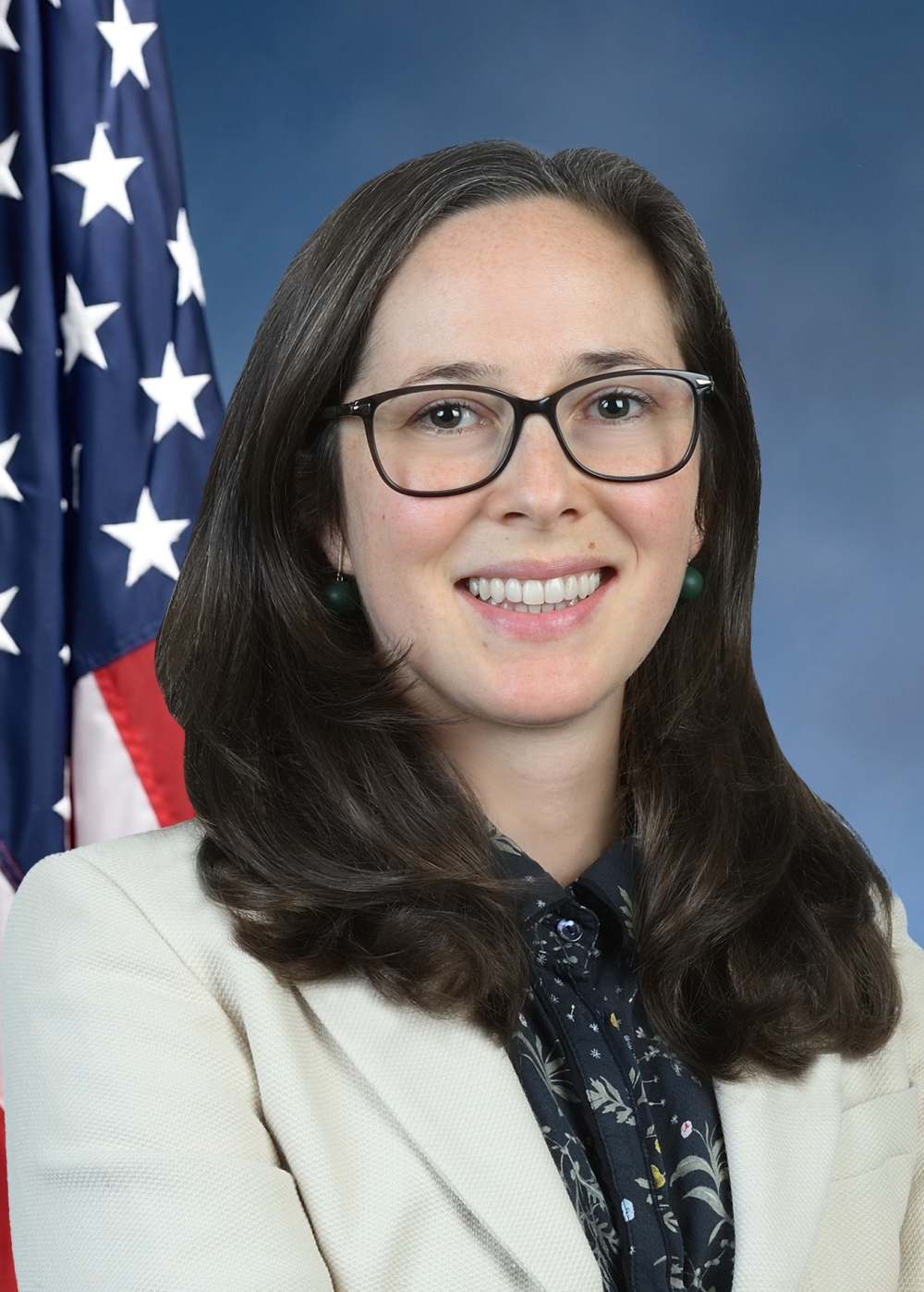
Asm. Rebecca Kassay
Sponsored bills
Establishes a state seal of financial literacy; provides such seal recognizes high school graduates who have attained a high level of proficiency in personal finance, budget management, and investment.
Maddy summaryThis bill designates August 31st of every year as "Overdose Awareness Day" in New York State. It adds this date to the existing list of official commemorative days in the executive law, alongside other observances like Juneteenth and Holocaust Remembrance Day. The bill does not create new policies, funding, or requirements - it simply establishes an annual day of remembrance focused on overdose prevention and awareness. This designation directly affects New York State residents and government entities, which may choose to recognize the day through official proclamations or events. The change takes effect immediately upon enactment.
Requires that public schools provide instruction on climate change, including but not limited to identifying the causes and impacts of climate change on individuals, environments and communities, and learning to evaluate solutions.
Amends the definition of "developmental disability" to include an inability to engage in any substantial gainful activity by reason of the disability.
Maddy summaryThis bill requires courts to automatically expunge all official records (including fingerprints, photos, DNA, and arrest details) when a person is wrongly arrested or charged due to identity theft or mistaken identity, and the case is dismissed. It directly affects individuals who were erroneously identified as suspects, regardless of their prior criminal history. Key provisions mandate that courts order expungement of records across all relevant agencies (like law enforcement, DMV, and criminal justice services), reverse penalties like license suspensions or insurance surcharges, and waive associated fees. The person can legally deny the arrest ever occurred for employment, licensing, or firearm purchases.
Establishes the shovel-ready housing program under which certain municipalities, at their option, may pre-authorize parcels of property for the construction of housing; establishes a shovel-ready community tax rebate for taxpayers residing in municipalities that opt-in to the shovel-ready housing program; provides for annual apportionment to municipalities that have certified participation in the shovel-ready housing program.
Maddy summaryThis bill expands New York's anti-discrimination law to explicitly protect religious attire and facial hair. It makes it illegal for businesses like restaurants, stores, or hotels to refuse service or deny accommodations based on a person's religious practice of wearing specific clothing or maintaining facial hair. The law now includes these elements under the protected category of "creed" in existing discrimination protections. This directly affects public businesses and individuals whose religious observances require such practices.
Maddy summaryThis bill adjusts the maximum dollar amounts for the child and dependent care tax credit for 2025 and 2026 tax years. It sets new caps based on the number of qualifying dependents: for example, $9,000 for five or more dependents in 2025, and $18,000 for five or more in 2026. Taxpayers claiming this credit will see higher potential refunds, as the bill raises the upper limits on the credit amount. The change directly affects families who claim the credit for childcare costs, without altering the credit percentage rate. The bill takes effect immediately upon enactment.
Maddy summaryThis bill requires election commissioners and key staff at county election boards to complete mandatory training. New commissioners must finish a 30-hour initial course within six months of appointment, while all staff must complete a 3-hour annual refresher by June 1 each year. The state board of elections will develop the curriculum and provide training, including web-based options. Failure to complete training results in the state board notifying the county legislature, city council, and local party chair.