

Provides for securities fraud whistleblower incentives and protections; defines terms; grants whistleblower awards for one or more whistleblowers who voluntarily provide original information to the attorney general that was the basis for a successful covered enforcement action; protects whistleblowers from retaliation; authorizes the attorney general to adopt any necessary rules and regulations; makes related provisions.
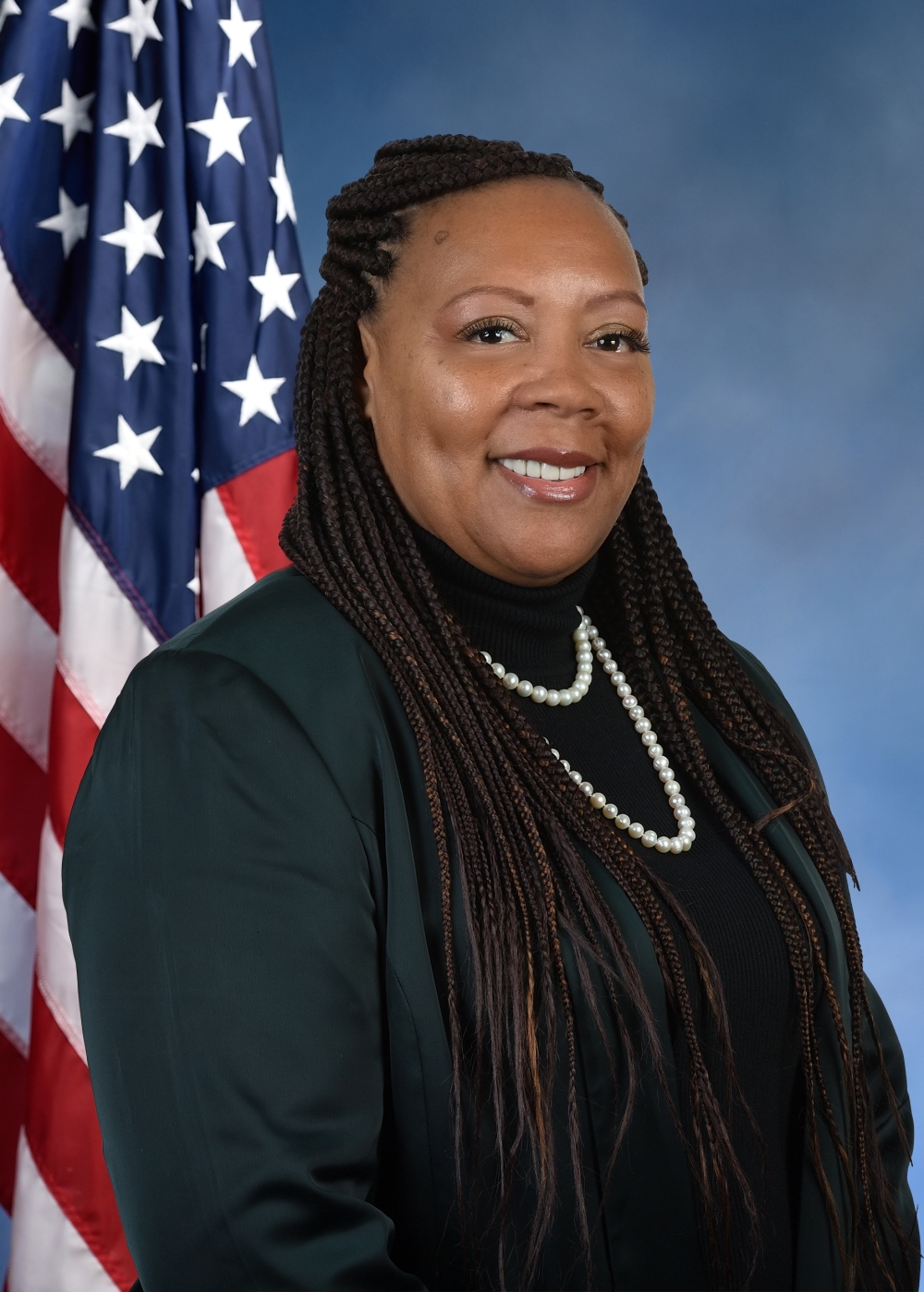
Asm. Larinda Hooks
Sponsored bills
Requires the installation of intelligent speed assistance devices if a driver accumulates eleven or more points on their driving record during a 24 month period, or receives 6 speed camera or red light camera tickets during a twelve month period.
Maddy summaryThis bill expands New York's "Doctors Across New York" program to include dentists in addition to physicians. It allocates state funds specifically for loan repayment and practice support for dentists (and physicians) who work in underserved communities, with at least 50% of funds directed to general hospitals. Funding is distributed regionally (1/3 to NYC, 2/3 to the rest of the state) without competitive bidding, prioritizing primary care providers entering underserved areas. The policy directly affects dentists and physicians seeking to establish or join practices in underserved communities across New York State.
Maddy summaryThis bill allows New York residents aged 70 or older to request an automatic exemption from jury service without needing to prove physical or mental incapacity, undue hardship, or extreme inconvenience. To qualify, individuals must submit proof of age (via mail, fax, email, or in person) to the commissioner of jurors. The exemption applies to the entire jury service period, replacing previous requirements that applicants justify their request. It directly affects seniors receiving jury summonses and takes effect September 1 following enactment.
Maddy summaryThis bill restricts the location of new cannabis retail stores and on-site consumption facilities. It prohibits new licenses for storefronts within 500 feet of school grounds (including all entrances/exits in mixed-use buildings) and within 200 feet of houses of worship (including all entrances/exits in mixed-use buildings). These rules apply only to new licenses issued after the bill's effective date. The law directly affects cannabis businesses seeking to open new locations in the state.
Clarifies how certain non-billing information regarding the delivery of water is disclosed to residents of cooperatives, condominiums or multi-family dwellings; requires water-works corporations to notify customers of their ability to receive non-billing related information.
Relates to defining "critical violations" of applicable statutes and regulations by child care providers licensed or registered by the office of children and family services; the imposition of sanctions and penalties for such violations by the office of children and family services; and processes for administrative appeal of such sanctions and penalties.
Maddy summaryThis bill amends New York State law to formally designate Diwali (specifically the fifteenth day of the Hindu lunisolar month of Kartik, also called Lakshmi Puja or the Hindu festival of lights) as a public holiday. It adds Diwali to the existing list of state-recognized public holidays, which currently includes dates like New Year's Day and Independence Day. As a public holiday, Diwali would require state offices and government operations to close, similar to other designated days. The change would take effect January 1, 2026, following the bill's enactment. This affects state employees and government services, aligning Diwali with other established public holidays.
Establishes the New York Health program, a comprehensive system of access to health insurance for New York state residents; provides for administrative structure of the plan; provides for powers and duties of the board of trustees, the scope of benefits, payment methodologies and care coordination; establishes the New York Health Trust Fund which would hold monies from a variety of sources to be used solely to finance the plan; enacts provisions relating to financing of New York Health, including a payroll assessment, similar to the Medicare tax; establishes a temporary commission on implementation of the plan; provides for collective negotiations by health care providers with New York Health.
Maddy summaryThis bill significantly expands eligibility for judicial diversion programs, allowing individuals charged with a broader range of offenses to participate if they have a "qualifying diagnosis." This diagnosis includes serious mental disorders, other mental health disorders causing severe functional impairment, or substance use disorders. While most Class A felonies and Class B sexual offenses are generally excluded, the bill establishes a new "diversion part" in each county. It also redefines "treatment" within these programs to include evidence-based interventions outside of carceral settings.