Relates to parole eligibility for certain incarcerated persons age fifty-five or older if they have served at least fifteen years of their sentence or sentences.
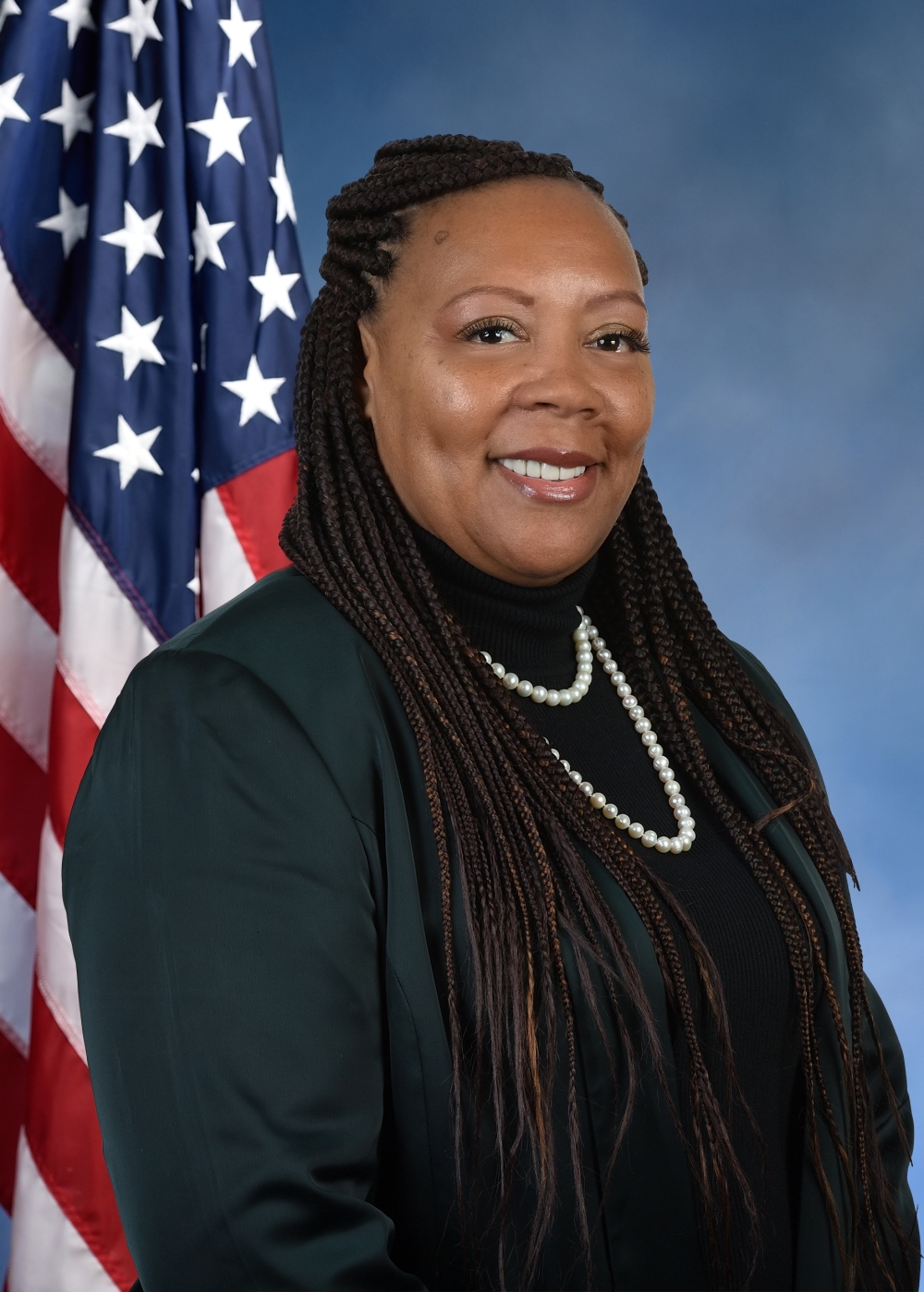
Asm. Larinda Hooks
Sponsored bills
Maddy summaryThis bill establishes a 14-member task force within the Office for the Aging to study how the state can help older residents stay in their homes and communities ("age in place"). The task force will examine specific areas like transportation improvements, zoning changes for home care, nutrition programs, fraud protections, home medical services, tax incentives, and private insurance options. It requires the task force to issue a final report with recommendations to state leaders by January 1, 2028. The bill creates a procedural study group with no immediate policy changes, focusing solely on gathering information to inform future decisions.
Establishes a mandated window of five business days for both Medicaid and private insurers to respond to pre-authorization claims for testing and/or treatments made by physicians on behalf of oncology patients.
Maddy summaryBill A 4015 seeks to increase the financial penalties for certain speeding violations, directly affecting drivers convicted of these offenses. It raises the maximum fine for exceeding the speed limit by up to ten miles per hour, from $150 to $175. For drivers caught speeding more than thirty miles per hour over the limit, the maximum fine increases from $600 to $700. These revised penalties will apply to violations occurring on or after January 1, 2026.
Maddy summaryThis bill (A 3603) creates a statewide program to provide training and support for informal caregivers. It defines "person in need of assistance" broadly (including those needing help with daily tasks due to age or disability) and expands the definition of "informal caregiver" to include family members or others providing care who may not live in the same household (e.g., older adults caring for minor relatives). Key provisions require the state director to develop training curricula covering health knowledge, stress management, and resource access, fund caregiver resource centers and networks, and issue annual reports on program effectiveness. The law directly affects caregivers and the people they support, aiming to improve care quality through structured training.

Requires the office for people with developmental disabilities to produce and publish a report to assess the staffing and other issues causing the continued displacement of individuals with developmental disabilities from various state-operated institutions under the jurisdiction of the office for people with developmental disabilities.
Requires each institution within the state university of New York and the city university of New York offering in-person student instruction to have at least one vending machine making emergency contraception available for purchase.
Maddy summaryThis bill prohibits involuntary servitude and forced labor in all New York state and local correctional facilities, directly affecting incarcerated individuals. It amends the Civil Rights Law to explicitly ban slavery, involuntary servitude, and forced labor for all people in New York - including those convicted of crimes - and adds a new Correction Law section prohibiting any labor compelled through force, threats, or adverse actions (like disciplinary measures). The law makes it illegal for facilities to require labor against an individual's will using coercion or fear of punishment. This represents a concrete legal change to end forced labor practices within New York's prison system.
Maddy summaryThis bill creates a new civil lawsuit pathway for individuals whose constitutional or federal rights were violated by government actors (such as police, courts, or public officials). It allows victims to sue for damages and court-ordered remedies, removes common defenses like "I thought it was legal," and requires courts to award attorney fees to winning plaintiffs - even if the case settles without a formal judgment. Public entities (like cities or state agencies) must cover their employees' legal costs if sued under this law, and lawsuits must be filed within three years of the violation. It directly affects people harmed by government overreach, ensuring they have a clear legal route to seek redress for rights violations.
Requires the use of a fire-resistant blanket, bag or container when charging a bicycle with electric assist or an electric scooter; requires sellers of such vehicles to include a fire-resistant blanket, bag, or container with the sale of each e-bike or e-scooter; establishes fines.