

Maddy summaryThis bill expands the sales tax exemption for pet food to include a broader range of products such as kibble, wet food, and fresh or frozen options. It specifically adds "specialty pet food" to the list of tax-free items, covering commercial feeds designed for animals classified as specialty pets under state law. By amending the tax law, the measure ensures that these additional food types are not subject to sales tax when purchased. The changes take effect immediately upon passage.
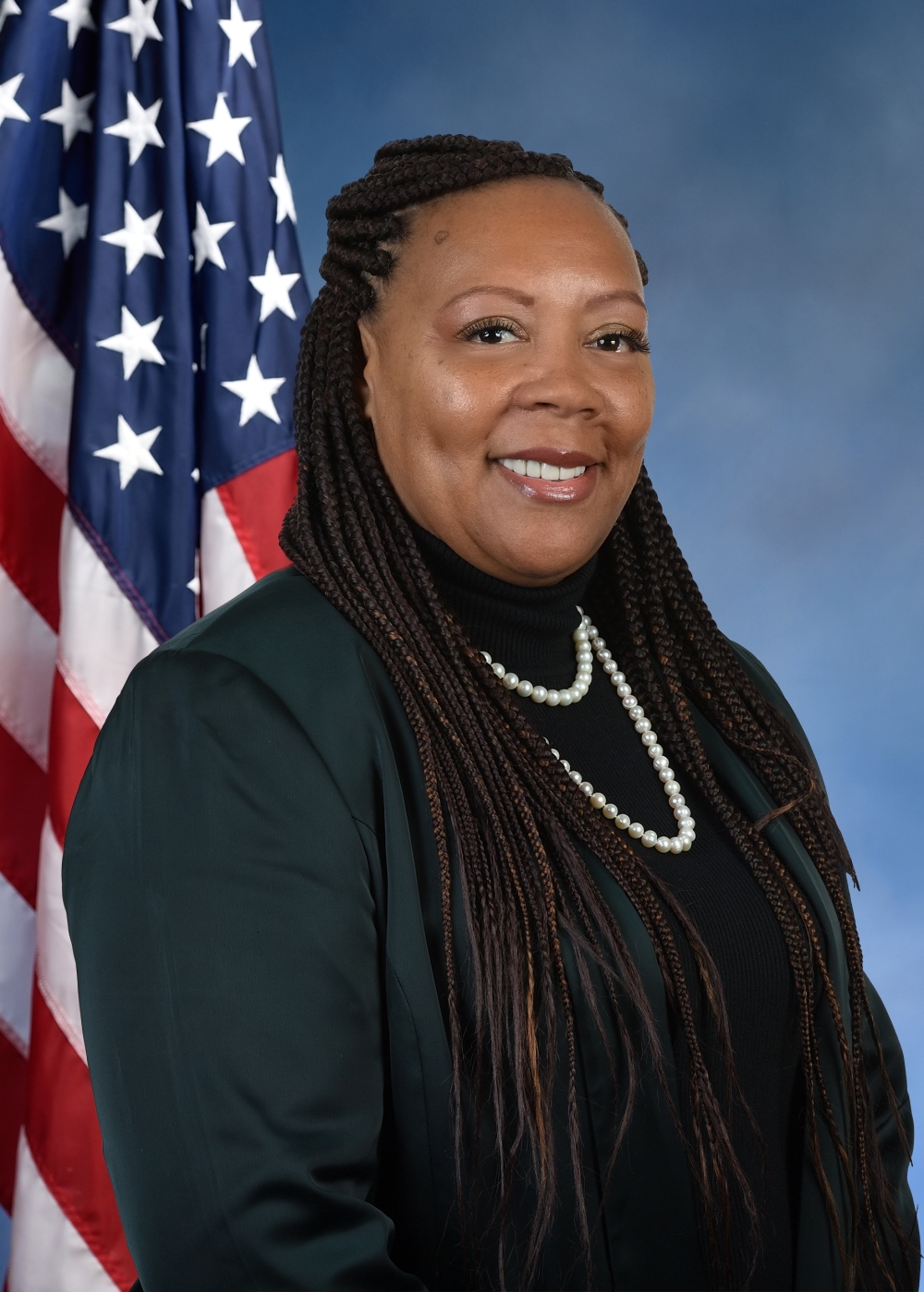
Asm. Larinda Hooks
Sponsored bills
Enacts the "beauty justice act"; provides for the regulation of ingredients in personal care products and cosmetics; prohibits the sale of personal care products and cosmetic products containing certain restricted products.
Maddy summaryThis bill requires every New York City public school to have at least one certified assistant principal. It specifies that assistant principals must oversee school safety and operations when the principal is absent and may be required to attend training to address educational needs or improve school performance. The law directly affects NYC schools, administrators, and staff by establishing minimum staffing standards for school safety and management. The bill aims to ensure consistent supervision and support across all schools in the city school district.
Maddy summaryThis bill requires landlords to maintain habitable housing conditions before pursuing rent collection or eviction. Specifically, landlords cannot file such cases if there are unresolved violations of housing codes (like lack of heat, water, or rodent infestations) that have existed for five days or more in the apartment or building common areas. If violations exist, landlords must file an affidavit claiming the violations were recorded incorrectly or not addressed by authorities, and courts can dismiss the case if these claims are false or violations are proven. The law directly affects landlords seeking legal action and tenants facing eviction or rent demands.
Maddy summaryThis bill modifies New York State's real property tax law to allow property owners of affordable housing buildings to receive tax reductions for making specific repairs and improvements that maintain the habitability of their units. It directly affects owners of multi-unit rental buildings, condominiums, cooperatives, and mutual housing companies that meet certain income and affordability requirements. To qualify, buildings must have at least three units, and owners must obtain a certificate from their local housing agency confirming the project's eligibility and cost limits, with improvements needing to be completed within a thirty-month window. The tax abatement is tied to a certified reasonable cost schedule that sets maximum dollar limits for approved alterations, ensuring funds are used for essential maintenance rather than expansion.
Relates to enacting the central air conditioner and heat pump rights act; provides that a homeowners' association may not adopt or enforce any rules or regulations that would effectively prohibit, or impose unreasonable limitations on, the installation or use of a central air conditioner or heat pump.
Maddy summaryThis bill clarifies that all wage and cash advances against future pay are treated as loans subject to existing interest rate caps. It explicitly defines "loan" to include advances on earned but unpaid wages and requires that all fees, tips, and subscription costs associated with these advances count toward the interest limit. The legislation aims to prevent lenders from charging excessive fees on payday-style loans by ensuring all costs are included in interest calculations.
Establishes a right of action for the deprivation of constitutional rights; provides for compensatory damages, punitive damages, injunctive and declaratory relief, and reasonable attorney's fees.
Maddy summaryThis bill establishes minimum cash wage requirements for "miscellaneous industry workers" who receive tips, including car wash attendants, nail salon workers, tow truck drivers, dog groomers, tour guides, valet attendants, and similar roles. It sets specific hourly cash wage floors that must be paid in addition to tips, with rates increasing annually through 2029 (e.g., $12.77/hour in NYC starting 2026, $11.50/hour outside NYC starting 2026). The bill ensures that when tips are added to the cash wage, the total equals the full minimum wage for their region, preventing employers from relying solely on tips to meet wage requirements. It directly affects these tipped workers by guaranteeing a minimum cash payment regardless of tip amounts received.
Establishes the "clean fuel standard of 2026"; provides such standard is intended to reduce greenhouse gas intensity from the on-road transportation sector, with further reductions to be implemented based upon advances in technology.