

Enacts the "gender identity respect, dignity and safety act"; relates to the treatment and placement of incarcerated individuals based upon gender identity; requires that incarcerated individuals in state and local correctional facilities who have a gender identity different from their assigned sex at birth be addressed and have access to commissary items, clothing and other materials that are consistent with the person's gender identity; establishes that incarcerated individuals shall be presumptively placed in a correctional facility with persons of the gender that most closely aligns with such person's self-attested gender identity unless the person opts out of such placement.
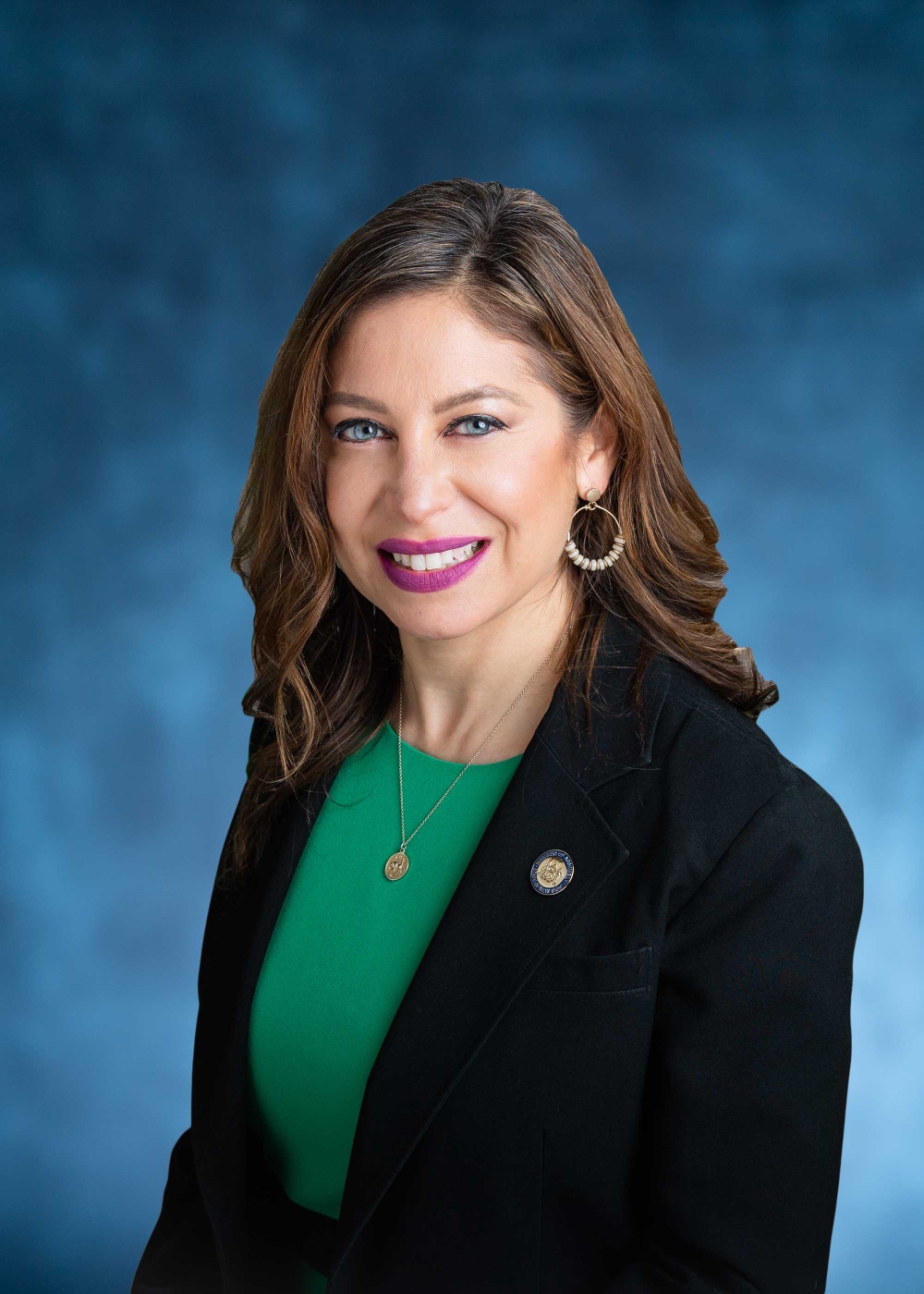
Asm. Jessica González-Rojas
Sponsored bills
Prohibits the admissibility of evidence of a victim's sexual conduct, sexual predisposition, or manner of dress in civil actions or proceedings; provides limited exceptions.
Maddy summaryThis bill updates the definitions and requirements for organizations that provide fiscal intermediary services within the consumer directed personal assistance program. It establishes a new category of "Fiscal intermediary" alongside the existing "Statewide fiscal intermediary," allowing certain entities, like those with Department of Health contracts or independent living centers, to operate in this role. These new fiscal intermediaries will have the same status as the Statewide fiscal intermediary and can directly contract with managed care plans and other programs. The bill also removes the procurement process requirement for the Statewide fiscal intermediary and streamlines registration rules for these service providers.
Pertains to confinement of animals for food producing purposes; prohibits any person to tether or confine any pig during pregnancy, calf raised for veal, or egg-laying hen who is kept on a farm for all or the majority of any day in a manner that prevents such animal from lying down, standing up and fully extending its limbs and turning around freely; establishes that commission of such crime shall constitute a class A misdemeanor punishable by imprisonment for a period not to exceed one year and/or fine not to exceed $1,000.
Maddy summaryThis bill requires developers seeking permits for major projects near low-income or minority neighborhoods to submit a detailed public engagement plan. The plan must include maps of the community, locations of sensitive sites like schools, a schedule for at least three public meetings, and materials in plain language translated into common community languages. Applicants must also provide quarterly progress reports and ensure community input influences project design. This applies to projects within one mile of designated disadvantaged communities, aiming to improve transparency and community involvement in environmental permitting.
Provides that cities having a population in excess of one million shall not supersede state provisions relating to the state law prohibition on individuals standing or parking a vehicle within twenty feet of a cross walk at an intersection.
Requires that food services at transportation facilities and rest areas owned and operated by certain public authorities remain open seven days a week.
Establishes confirmatory adoptions providing for the adoption of children born as a result of assisted reproduction; allows for more than two persons to be named parents of a child; establishes presumed parentage and provides for the challenge and adjudication thereof; repeals certain provisions relating thereto.
Authorizes a plaintiff commencing an action alleging conduct constituting a sexual offense or a civil offense involving the transmission of the human immunodeficiency virus shall have the right to proceed anonymously.
Maddy summaryThis bill updates rules for when construction projects must pay local prevailing wages. It applies to projects using at least 20% public funds (or $3 million/$5 million in public funds) for construction costs. Exemptions include single-family homes, small nonprofits, and certain affordable housing developments meeting specific affordability requirements. This affects contractors and developers working on qualifying projects funded in part by public money.