

Requires all state and private agencies with mandatory reporters of incidents involving vulnerable people to retrain all staff on reporting to a 9-1-1 operator and the county district attorney's office and state and private websites; requires written materials to be updated.
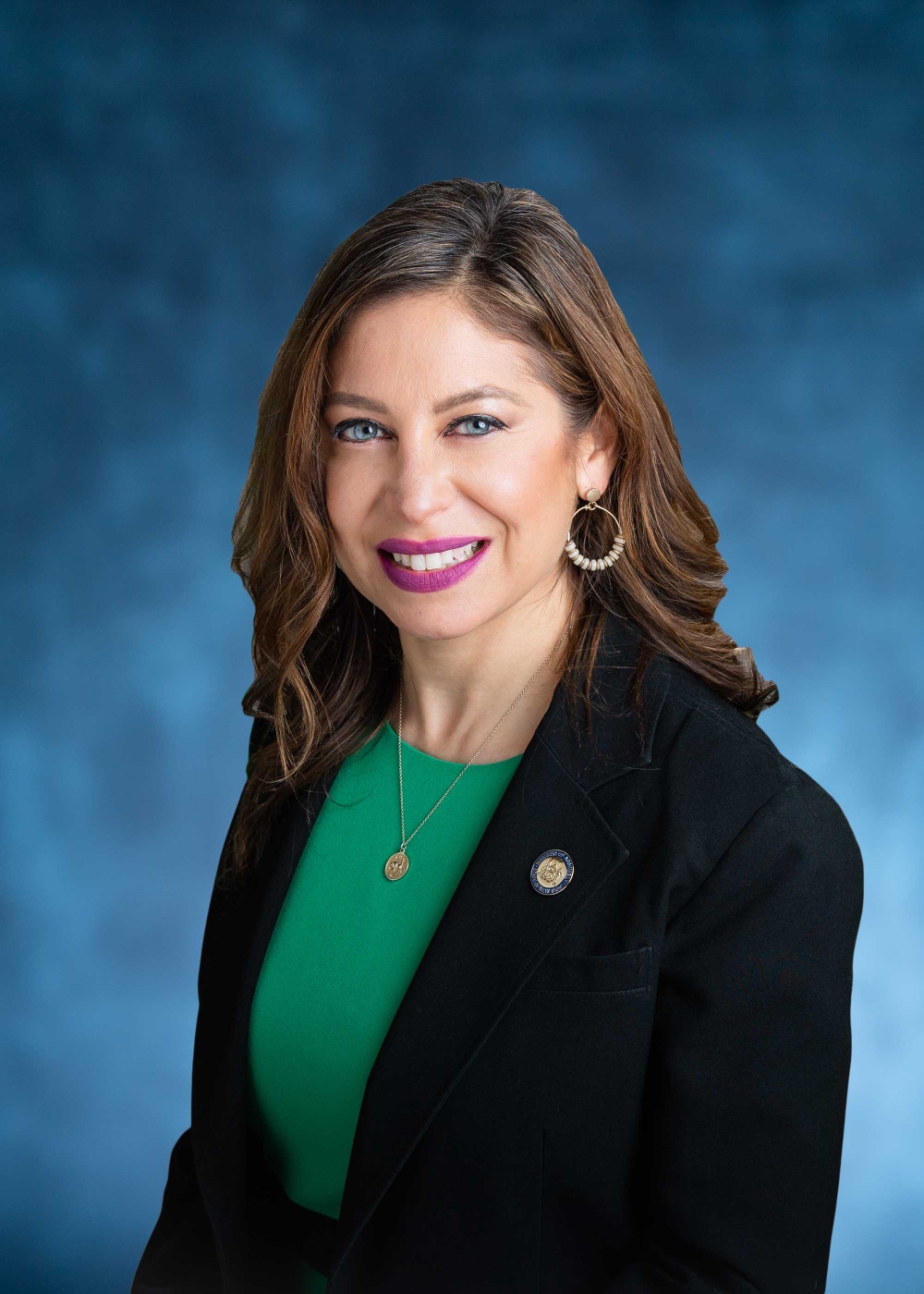
Asm. Jessica González-Rojas
Sponsored bills
Requires that any individual who is eligible for the Fair Fares NYC program and any person whose income is three hundred percent of the federal poverty level receive a fifty percent discount on trips using the Long Island Rail Road, paratransit services, New York city transit subways or buses, and/or Metro-North railroad; defines terms.
Imposes owner liability for failure of an operator to comply with traffic control indicators within the city of New York through the use of traffic control indicator cameras.
Maddy summaryThis bill clarifies that all wage and cash advances against future pay are treated as loans subject to existing interest rate caps. It explicitly defines "loan" to include advances on earned but unpaid wages and requires that all fees, tips, and subscription costs associated with these advances count toward the interest limit. The legislation aims to prevent lenders from charging excessive fees on payday-style loans by ensuring all costs are included in interest calculations.
Maddy summaryThis bill requires sellers to provide lead-based paint test reports to buyers before selling residential properties built before 1978. It directly affects home sellers, buyers, and real estate agents in New York for properties constructed prior to 1978, which are most likely to contain lead paint. The key mechanism mandates a one-time inspection and disclosure of test results before title transfer, with reports added to a state registry for future buyers. This complements existing laws by standardizing disclosure across all residential sales, not just rentals, ensuring buyers receive clear information about potential lead hazards. The law does not replace buyer due diligence or existing seller responsibilities.
Enacts the "NYS health care tax reform act"; establishes a public goods and medicaid subsidy surcharge on insurance corporations; establishes a public goods and medicaid subsidy surcharge on business corporations; establishes a public goods and medicaid subsidy surcharge on pass-through entities; relates to filing fee surcharges; relates to revenues to be included in the health care reform act resources fund; establishes a public goods and medicaid surcharge on misclassified workers.
Relates to artist preferences in housing; provides that giving occupancy preference to individuals who are involved in artistic activities is not an unlawful discriminatory practice provided that such preference is implemented or authorized by an agency or the state of New York.
Relates to the reporting requirements of the statewide fiscal intermediary; requires the reporting of utilization data and financial data to protect medical assistance recipients in using the program and ensure the effective use of medical assistance funds; requires the statewide fiscal intermediary to provide consumer directed personal assistant data to ensure the availability of a workforce to meet the needs of consumers utilizing the program; requires the statewide fiscal intermediary to provide data regarding customer service requests, complaints, and accessibility.
Establishes a right of action for the deprivation of constitutional rights; provides for compensatory damages, punitive damages, injunctive and declaratory relief, and reasonable attorney's fees.
Maddy summaryThis bill establishes minimum cash wage requirements for "miscellaneous industry workers" who receive tips, including car wash attendants, nail salon workers, tow truck drivers, dog groomers, tour guides, valet attendants, and similar roles. It sets specific hourly cash wage floors that must be paid in addition to tips, with rates increasing annually through 2029 (e.g., $12.77/hour in NYC starting 2026, $11.50/hour outside NYC starting 2026). The bill ensures that when tips are added to the cash wage, the total equals the full minimum wage for their region, preventing employers from relying solely on tips to meet wage requirements. It directly affects these tipped workers by guaranteeing a minimum cash payment regardless of tip amounts received.