

Maddy summaryBill A 8105 creates the "Uniform Trade Secrets Act" within the general business law. This act defines what qualifies as a "trade secret" and outlines actions considered "misappropriation," such as unauthorized acquisition or disclosure. It allows individuals and businesses to seek legal remedies for trade secret misappropriation, including court orders to stop misuse and financial compensation for damages incurred. The bill also provides for attorney's fees in specific situations and sets a three-year statute of limitations for bringing a claim.
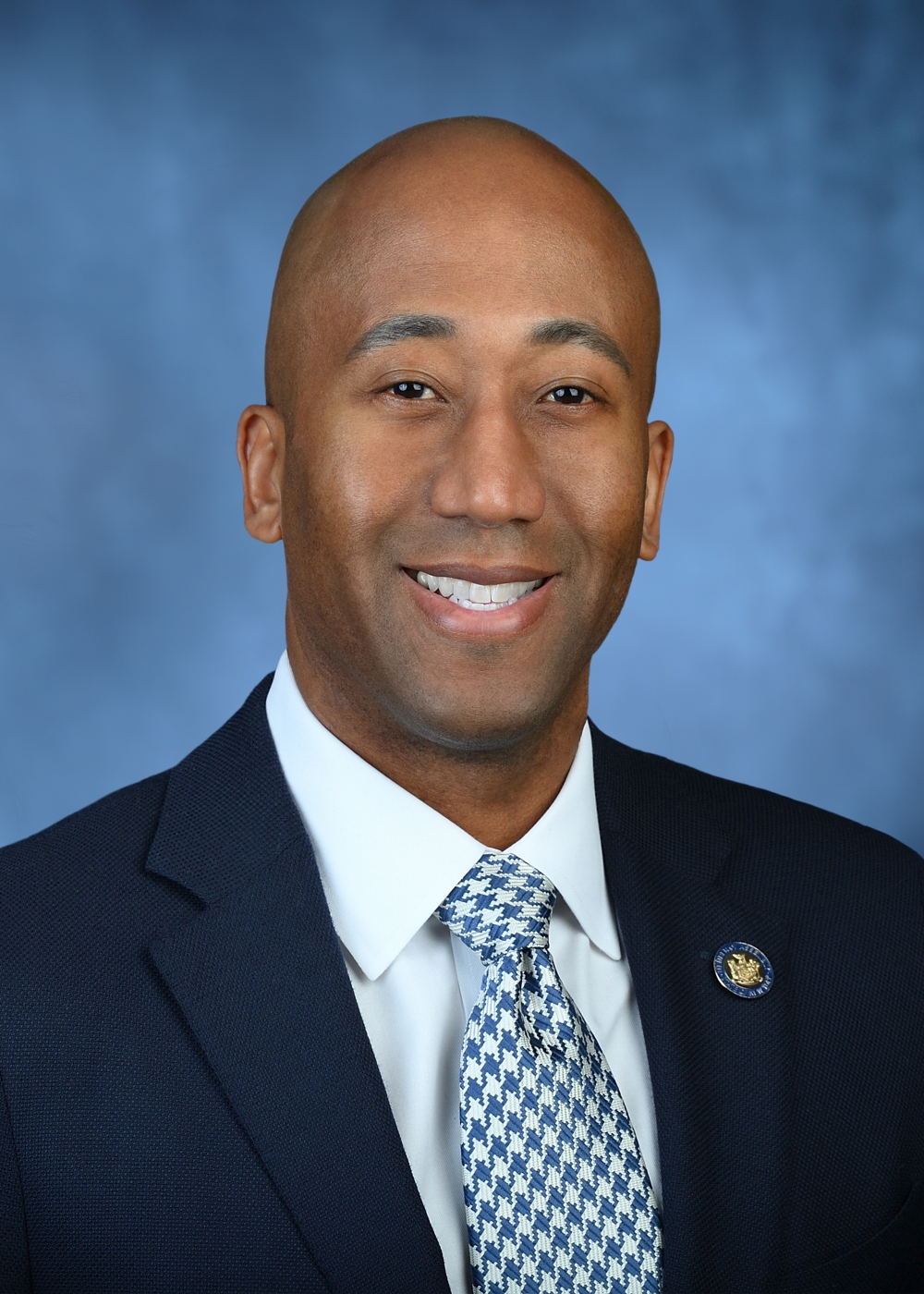
Asm. Clyde Vanel
Sponsored bills
Maddy summaryThis bill establishes new standards for using artificial intelligence-generated evidence in court. It prohibits admitting AI-created or AI-processed evidence in criminal or civil cases unless the evidence is backed by separate, admissible evidence and the specific AI use is proven reliable through expert testimony. The law defines "AI-created" evidence as new information not deducible from existing data, and "AI-processed" evidence as conclusions beyond what existing data reasonably supports. To be admissible, proponents must demonstrate the AI was rigorously tested for accuracy in relevant contexts and avoid variables that could cause errors.
Maddy summaryThis bill increases criminal penalties for damaging property or stealing items at religious worship sites and cemeteries. It makes damaging religious items (like scrolls, vestments, or religious symbols) at churches, synagogues, or religious museums a class D felony, and upgrades cemetery vandalism or theft (e.g., headstones, monuments) to higher felony levels based on value. Offenders face harsher punishments for targeting these specific locations, including theft exceeding $250 at cemeteries or damage exceeding $2,000 at religious sites. The law directly affects individuals who commit these acts at protected locations, with penalties now reflecting the heightened seriousness of targeting sacred or memorial spaces.
Establishes the crime of package theft in the fourth, third, second and first degrees; designates such crimes as a class A misdemeanor, class E felony, class D felony, and class B felony, respectively; provides instances that are not a defense to such crimes; provides for certain defenses to such crimes.
Maddy summaryThis bill increases the fee for trademark registration and renewal in New York from $50 to $100 per application. It directly affects individuals and businesses applying for or renewing trademark registrations with the state. The key provision amends the General Business Law to update the required filing fee to $100, payable to the Secretary of State. The change takes effect immediately upon enactment.
Establishes an explicit duty to report incidents in correctional facilities, setting mandatory reporters, content of required reports and penalties for failure to report an incident.
Establishes a temporary state commission to conduct a feasibility study to evaluate and make recommendations concerning the formation and control of a state public bank; provides if such study finds that the state bank is feasible, the commission may recommend legislation to create a state public bank for New York; makes an appropriation therefor.
Prohibits an airport operator or aviation retail establishment from selling, distributing, or otherwise making available leaded aviation gasoline to consumers on or after January first, two thousand thirty-one.
Establishes the "Malcom X unsolved civil rights crime act"; requires the assistant attorney of the civil rights bureau to investigate violations of criminal civil rights statutes that occurred not later than December thirty-first, nineteen seventy-nine, and resulted in a death.
Provides for remedies for trademark dilution; allows the court, in its discretion, to enter judgment for an amount of three times such profits and damages and/or reasonable attorneys' fees of the prevailing party.