

Relates to establishing the crime of coercive control; provides that a person is guilty of coercive control when such person engages in a course of conduct against a member of such person's same family or household, without the victim's consent, which results in limiting or restricting, in full or in part, the victim's behavior, movement, associations or access to or use of such victim's own finances or financial information; provides that coercive control is a class E felony.
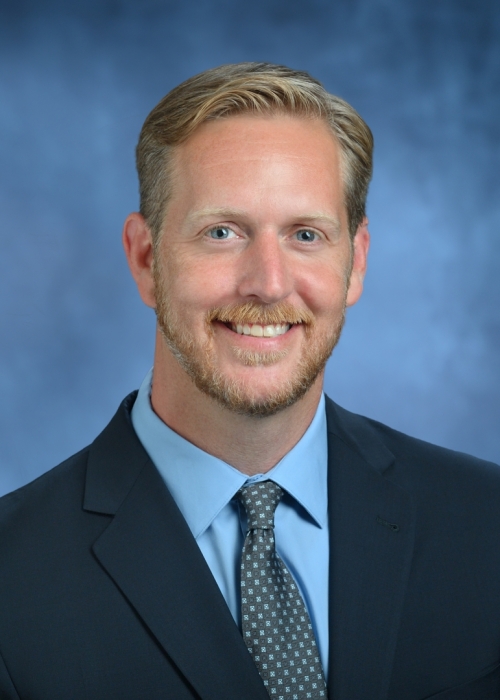
Asm. Andrew Hevesi
Sponsored bills
Requires that in civil claims under the child victims act, adult survivors act, or a civil sex trafficking claim any insurer who may provide liability coverage for a claim shall, upon request from the claimant or claimant's attorney, provide information regarding each known policy of insurance; provides that a person bringing a civil claim in a sex trafficking case need not disclose their immigration status.
Provides that any claim for deceptive acts or practices against a distribution utility providing gas, electric or steam services to the public, the court shall have exclusive jurisdiction over such claim without regard to any defenses alleged; provides that in any claim for false advertising, the court shall have exclusive jurisdiction over such claim.
Establishes through the department of health a drug checking services program to allow individuals to bring drugs or controlled substances and have them tested for contaminants, toxic substances, or hazardous compounds; requires the department to establish public health surveillance of the unregulated drug supply; provides exemptions for participants in the drug checking program from certain controlled substance offenses.
Maddy summaryThis bill authorizes New York's Correctional Association to regularly inspect all juvenile detention facilities operated by the Office of Children and Family Services (OCFS), including secure and non-secure residential facilities. It grants the Association unannounced inspection rights, access to incident reports, confidential contact with youth/staff, and the duty to immediately report abuse allegations to OCFS and other oversight bodies. The bill also requires OCFS to provide youth in these facilities access to a confidential hotline (via Prisoners' Legal Services) for reporting abuse, and mandates annual public reports from the Association on facility conditions with OCFS responses. It directly affects youth in OCFS-run facilities and establishes new oversight mechanisms to protect their welfare.
Maddy summaryThis bill, A 1147, authorizes an 11% rate increase for in-person early intervention services provided by approved healthcare providers, effective July 1, 2026. It directly affects service providers (such as therapists and clinics) who deliver early intervention care to children with developmental delays or disabilities. The key provision mandates the commissioner of health to implement this specific rate adjustment for approved costs under public health law. The increase applies only to services rendered on or after the effective date, with no additional eligibility changes.
Permits dentists to administer influenza and COVID vaccinations and vaccinations related to a declared public health emergency; requires dentists to report such vaccinations.
Maddy summaryThis bill establishes New York's first state-level regulations for kratom products. It bans the sale of kratom products containing synthesized or semi-synthetic compounds (like 7-hydroxymitragynine above 2% per serving), dangerous additives, or child-attractive packaging. Kratom processors and retailers must register with the state, provide third-party safety test results (including solvent and heavy metal levels), and comply with FDA food safety guidelines. The law directly affects businesses selling kratom, requiring new documentation and safety checks before sale.
Relates to allowing for students in certain postsecondary education experience or transition programs to receive awards from the tuition assistance program.
Maddy summaryThis bill adds comprehensive neuropsychological exams for dyslexia to New York's Medicaid coverage. It directly affects Medicaid recipients who need these evaluations for dyslexia diagnosis, requiring a physician referral. The exam must be performed by a licensed health professional authorized under New York's education law, acting within their scope. The bill explicitly states this coverage does not replace or affect existing Medicaid coverage for medical screenings, diagnoses, or treatments.