

Maddy summaryThis bill establishes a five-year pilot program in New York to provide hyperbaric oxygen therapy (HBOT) to veterans diagnosed with traumatic brain injuries or post-traumatic stress disorder. The program, managed by the state health commissioner, requires participating providers to submit annual reports on costs, effectiveness, and improvement suggestions, with a final evaluation report due by December 2031. Veterans must be New York residents with a diagnosis from an authorized medical professional (such as a physician or nurse practitioner) and receive therapy using FDA-approved devices. The bill defines key terms like "hyperbaric oxygen therapy" and specifies eligibility criteria without expanding existing healthcare coverage.
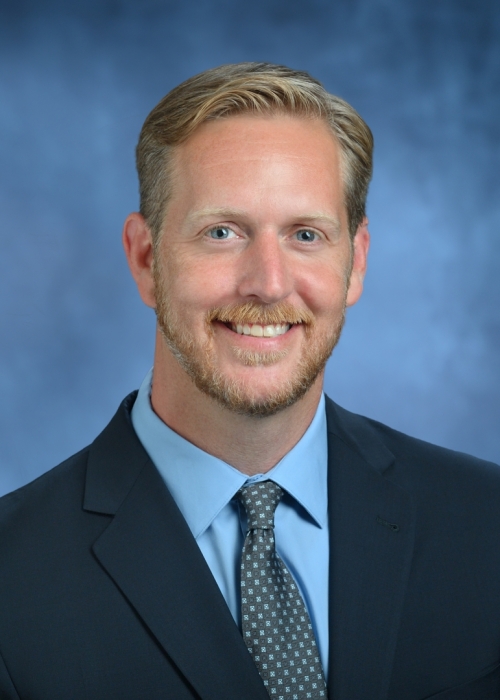
Asm. Andrew Hevesi
Sponsored bills
Maddy summaryThis bill requires all public school districts to operate kindergarten programs on a full-day schedule starting in the 2027-2028 school year. It amends education law sections to mandate that kindergartens - currently offered as part-time in many districts - must provide full-day programming for all eligible children (ages 4-6) beginning that school year. The law directly affects school districts and their kindergarten programs, replacing existing provisions that allowed for part-time options. It does not change age requirements or cost structures but specifies the operational format for kindergarten instruction.
Maddy summaryThis bill requires employers to pay minimum wage for any time over one hour during a split shift when an employee is not working (e.g., during a long break between work periods). It directly affects hourly workers with split shifts, such as those working morning and afternoon shifts with an extended unpaid break. The key provision mandates that this non-working time be counted as "worked" time for minimum wage purposes, ensuring pay for the full duration of the shift. The bill is pending in the Labor Committee and has not yet become law.
Maddy summaryThis bill limits health care workers, including nurses and unlicensed assistive personnel, to their regularly scheduled work hours without mandatory overtime. Exceptions allow longer shifts only during declared emergencies (like natural disasters or public health crises), federal/state emergency declarations, or when completing an ongoing medical/surgical procedure. It specifically excludes doctors, residents, and security staff from this definition. The law aims to protect patient safety by preventing excessive staff fatigue through concrete scheduling limits. Employers cannot use on-call time to bypass these restrictions.
Establishes a clinical preceptorship personal income tax credit for certain health care professionals who provide preceptor instruction to students studying to be a health care professional.
Increases the minimum wage outside of New York city and the counties of Nassau, Suffolk, and Westchester; repeals certain provisions of law relating to exceptions to minimum wage increases.
Maddy summaryThis bill modifies New York's social services law to provide targeted assistance for people with medically diagnosed HIV infection. It requires social services districts to ensure individuals with HIV who are homeless or facing homelessness pay no more than 30% of their income toward rent, and to provide emergency shelter, transportation, or nutrition assistance when needed to maintain independent living. The bill also mandates districts to help with eligibility documentation, arrange home visits for interviews, and refer to specialized resources, while creating a statewide online resource hub for HIV-related services. Funding rules are updated to allow full reimbursement for HIV-related emergency shelter costs (up to 110% of fair market rent) and necessary transportation/nutrition payments. The policy directly affects low-income New Yorkers living with HIV who face housing instability.
Maddy summaryBill A 8137 proposes to repeal section 3605-c of the public health law. This section currently outlines the authorization processes for individuals to enroll in medical assistance programs and for providers to offer these services. The bill, if enacted, would eliminate the existing legal provisions governing how medical assistance enrollment and provision are authorized, directly affecting those who administer and receive such aid.
Provides for the designation by a general hospital of persons to identify infectious disease processes, conduct surveillance and epidemiologic investigations, and develop plans to prevent and control the transmission of infectious agents within general hospitals.
Creates the health insurance guaranty fund to protect covered individuals against the failure or inability of a health insurer to perform its contractual obligations due to financial impairment or insolvency.