

Maddy summaryBill A 8055 proposes to change how outpatient mental health and substance use disorder services are administered under Medicaid. It shifts these services, along with comprehensive Medicaid case management, from a managed care model back to a fee-for-service system. This change, subject to federal approval, directly affects individuals with mental illness or substance use disorder who rely on these services and the licensed facilities that provide them. The bill also requires that any savings generated by this transition be reinvested into community-based behavioral health services.
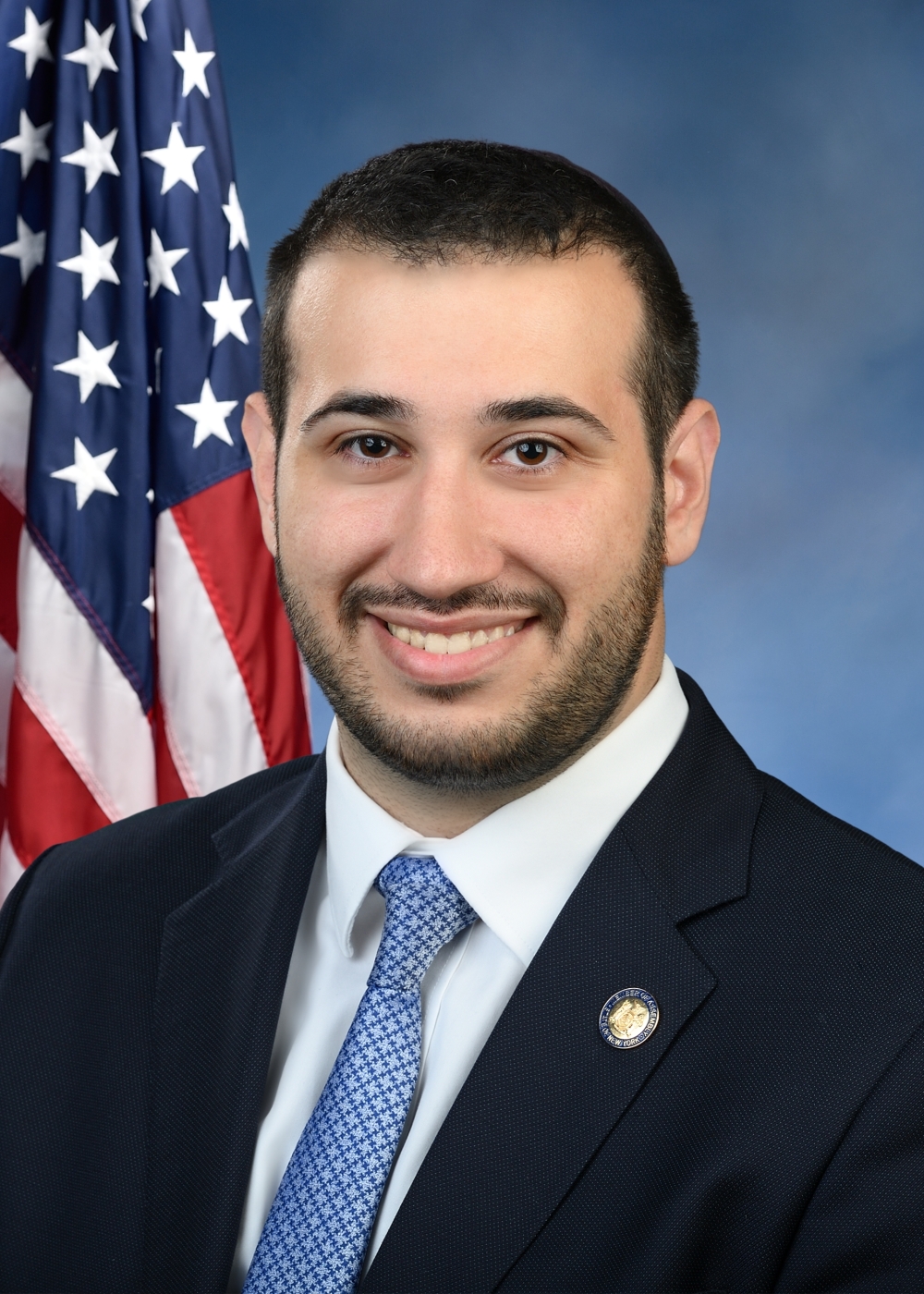
Rep. Sam Berger
Sponsored bills
Directs the department of public service to promulgate rules, regulations and model policies regarding setback requirements for the siting of battery energy storage systems; requires minimum setback requirements for commercial energy storage systems, with a capacity of three megawatts or greater, of no less than seven hundred fifty feet from residential property and no less than three hundred feet from residential property located in a city with a population of one million or more inhabitants; requires public hearings prior to the approval of an application for a permit for such systems.
Maddy summaryThis bill allows licensed health and professional service providers (such as doctors, dentists, veterinarians, engineers, social workers, and therapists) to form limited liability companies (LLCs) for their practice. It requires all LLC members to hold valid state licenses for their specific profession and prohibits altering the scope of any member's licensed practice. The bill specifies that LLCs can offer multidisciplinary services only if each member practices within their individually licensed scope, and it explicitly bars law firms from mixing with other professional services. This changes existing rules by expanding LLC formation options for these professionals while maintaining strict licensing and scope-of-practice boundaries.
Enacts the "military experience recognized for institutional transfer (MERIT) act"; grants academic credit for veterans with regard to SUNY and CUNY college credits for military learning, training, coursework and occupational experience.
Enacts the "licensure incentives and fee-support for testing (LIFT) act"; establishes the social work licensure examination voucher program to provide low-income individuals vouchers to cover the cost of the examination required for licensure as a licensed master social worker or licensed clinical social worker.
Establishes a private right of action for any person whose personally identifying information was intentionally disclosed by another individual, without consent, for the purpose of harassing, threatening, intimidating, or causing harm to such person, or with reckless disregard as to whether such disclosure would cause such harm; defines personal information.
Enacts the "licensed funeral arranger act" under which a "licensed funeral arranger" license allows a funeral arranger to perform all acts permitted to a funeral director except embalming or any preservation of the body of a deceased person requiring embalming; creates a registration process under which registered transporters facilitate the removal and transportation of the bodies of deceased persons.
Maddy summaryThis bill amends the state constitution to allow the legislature to adjust the number of justices on the supreme court in any judicial district. It sets a population-based limit: the number of justices cannot exceed one per 50,000 residents (or any fraction over 30,000) based on the latest census. The legislature may also reduce justices, but not below the current number in any district. The proposed change requires voter approval in the 2026 general election.
Enacts the "building retention and internship-to-degree graduate employment (BRIDGE) act"; provides limited work permits for students in a master of social work program; establishes policies and procedures for such work permit.
Maddy summaryThis bill allows certain New York corporations already practicing engineering or land surveying before 1935 to add professional geology to their services. To do so, they must amend their corporate charters by December 31, 2028, to include geology as a purpose and have at least one licensed geologist serving as a director or officer. The bill requires these companies to comply with all existing geology practice laws and regulations. It specifically affects legacy engineering and surveying firms seeking to expand their professional services into geology.