

Maddy summaryThis bill modifies New York City police pension calculations for detectives, sergeants, and lieutenants. It adds 5%, 10%, or 15% to a retiree’s highest rank salary (based on 25, 30, or 35 years of uniformed service) when computing pension benefits, replacing existing calculations under section 14-111. The increase applies only to those retiring in their current rank after meeting the service threshold. It directly affects NYPD members in these ranks who meet the specified service years, without providing additional benefits beyond the pension calculation adjustment.
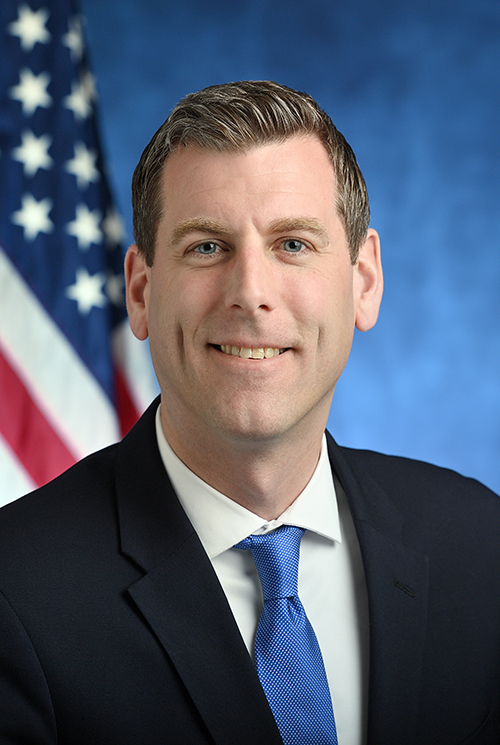
Asm. Ed Braunstein
Sponsored bills
Enacts the "Lieutenant Joseph Banish mental health act" which establishes a law enforcement peer support program to provide confidentiality for communications arising out of law enforcement peer support counseling; defines terms; provides exceptions for when a peer support communication may be disclosed.
Requires hospitals to establish a violence prevention program which includes a workplace safety and security assessment and develop a safety and security plan that addresses identified workplace violence threats or hazards.
Requires general hospitals to provide language assistance services; requires general hospitals to develop a language assistance program to ensure meaningful access to the general hospital's services and reasonable accommodation for all patients who require language assistance.
Authorizes the office of parks, recreation and historic preservation and the office of mental health to conduct a study pertaining to a proposed expansion of the Long Island Motor Parkway trail.
Maddy summaryThis bill removes the salary for the chair of NYSERDA (New York State Energy Research and Development Authority), making the position unpaid. It also allows the chair to engage in private employment without restriction, which previously required approval. The bill amends specific sections of state law to change compensation rules for the chair and clarify private employment rights. These changes apply directly to the NYSERDA chair and take effect immediately upon signing.
Provides any entity which leases excavation equipment to the public with the telephone number of the system and a sample or model notice informing lessees of excavation equipment of the system and their responsibilities relating to the protection of underground facilities.
Maddy summaryThis bill modifies New York's religious corporations law to change court approval requirements for property transactions. It specifically removes the need for the Greek Orthodox Archdiocese of America to notify the Attorney General about property sales, mortgages, or leases, and requires its trustees to obtain the archbishop's consent before such transactions. Other religious corporations (like Episcopal, Catholic, and Methodist churches) must now include in their petitions that they've complied with these updated rules. The changes apply only to the Greek Orthodox Archdiocese for property decisions, while other churches face updated petition requirements. The bill became law on September 26, 2025 (Chapter 417).
Requires the appointment of a Title VI coordinator at every college and university in the state to ensure compliance with Title VI of the federal civil rights act of 1964; requires the division of human rights to develop training for students and employees; requires the Title VI coordinator to notify annually all students and employees of the institution's policies and procedures for reporting discrimination and harassment.
Maddy summaryThis bill creates tax credits for businesses relocating to New York City (population over 1 million) from outside New York State. It requires qualifying businesses to maintain a minimum number of employee work hours at eligible locations (10,000+ square feet in NYC) and obtain annual city certifications from the mayor or designated agencies. Businesses must document eligibility, including proof of relocation after July 2025 and meeting specific employment thresholds, with new applications barred after July 1, 2028. The policy directly affects businesses moving operations to NYC, offering tax relief tied to sustained local employment.