

Maddy summaryThis bill directs the state health commissioner to create guidelines for including placenta accreta spectrum screenings in routine prenatal care. Placenta accreta spectrum is a pregnancy complication where the placenta attaches too deeply into the uterine wall, which can cause serious health risks during delivery. The new guidance will outline when screenings should begin, how often they should be repeated, what risk factors to check for, and how to refer patients for follow-up care. The bill affects healthcare providers who deliver prenatal care and pregnant individuals who may be at risk for this condition. It does not mandate specific screening practices but establishes a framework for the health department to develop standardized recommendations.
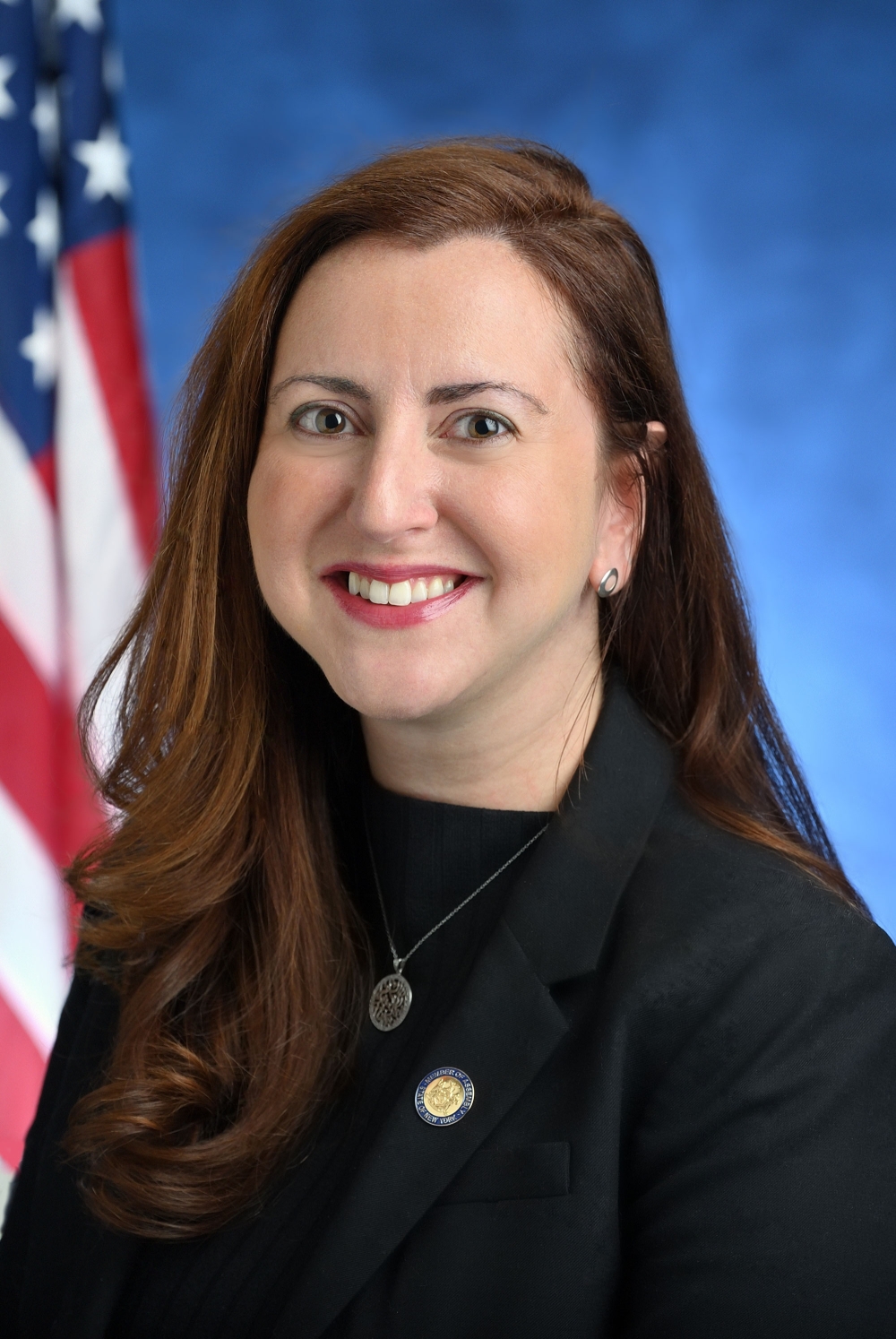
Asm. Nily Rozic
Sponsored bills
Provides for accessing records under the freedom of information law including notification procedures and the release of names of natural persons and residential addresses.
Enacts the "ICE contract transparency act"; creates a publicly accessible database for contracts made between United States immigration and customs enforcement and private entities conducting business in the state of New York; requires entities to provide the department of state with a copy of contracts made between U.S. immigration and customs enforcement and private entities operating in the state of New York.
Requires state agencies to make available all public documents in a digital format on their website in a manner that allows such documents to be printed; provides that no document required by law to remain confidential shall be deemed a public document.
Enacts the "New York state teleworking expansion act"; provides that each state agency shall establish a policy and program to allow employees to perform all or a portion of their duties through teleworking to the maximum extent possible without diminished employee performance.
Maddy summaryThis bill modifies New York State's real property tax law to allow property owners of affordable housing buildings to receive tax reductions for making specific repairs and improvements that maintain the habitability of their units. It directly affects owners of multi-unit rental buildings, condominiums, cooperatives, and mutual housing companies that meet certain income and affordability requirements. To qualify, buildings must have at least three units, and owners must obtain a certificate from their local housing agency confirming the project's eligibility and cost limits, with improvements needing to be completed within a thirty-month window. The tax abatement is tied to a certified reasonable cost schedule that sets maximum dollar limits for approved alterations, ensuring funds are used for essential maintenance rather than expansion.
Enacts the "NYS health care tax reform act"; establishes a public goods and medicaid subsidy surcharge on insurance corporations; establishes a public goods and medicaid subsidy surcharge on business corporations; establishes a public goods and medicaid subsidy surcharge on pass-through entities; relates to filing fee surcharges; relates to revenues to be included in the health care reform act resources fund; establishes a public goods and medicaid surcharge on misclassified workers.
Maddy summaryThis bill establishes minimum cash wage requirements for "miscellaneous industry workers" who receive tips, including car wash attendants, nail salon workers, tow truck drivers, dog groomers, tour guides, valet attendants, and similar roles. It sets specific hourly cash wage floors that must be paid in addition to tips, with rates increasing annually through 2029 (e.g., $12.77/hour in NYC starting 2026, $11.50/hour outside NYC starting 2026). The bill ensures that when tips are added to the cash wage, the total equals the full minimum wage for their region, preventing employers from relying solely on tips to meet wage requirements. It directly affects these tipped workers by guaranteeing a minimum cash payment regardless of tip amounts received.
Maddy summaryThis bill updates how New York State calculates payment rates for federally qualified health centers (FQHCs), which provide primary care in underserved communities. It changes the rate calculation method: through 2025, rates use the Medicare Economic Index, and after 2025, they use a federal cost adjustment formula (FQHC Market Basket inflator) adjusted for service scope. The state health department must analyze actual FQHC costs every three years starting in 2025 to set updated rates, ensuring payments reflect real costs while guaranteeing no facility receives a rate lower than the 2025 level. This directly affects FQHCs by potentially increasing their state-funded payments based on verified operational expenses.
Establishes the "clean fuel standard of 2026"; provides such standard is intended to reduce greenhouse gas intensity from the on-road transportation sector, with further reductions to be implemented based upon advances in technology.