Relates to fair pricing for low-complexity, routine medical care to more closely align payment rates across ambulatory settings for selected services that are safe and appropriate to provide in all settings.
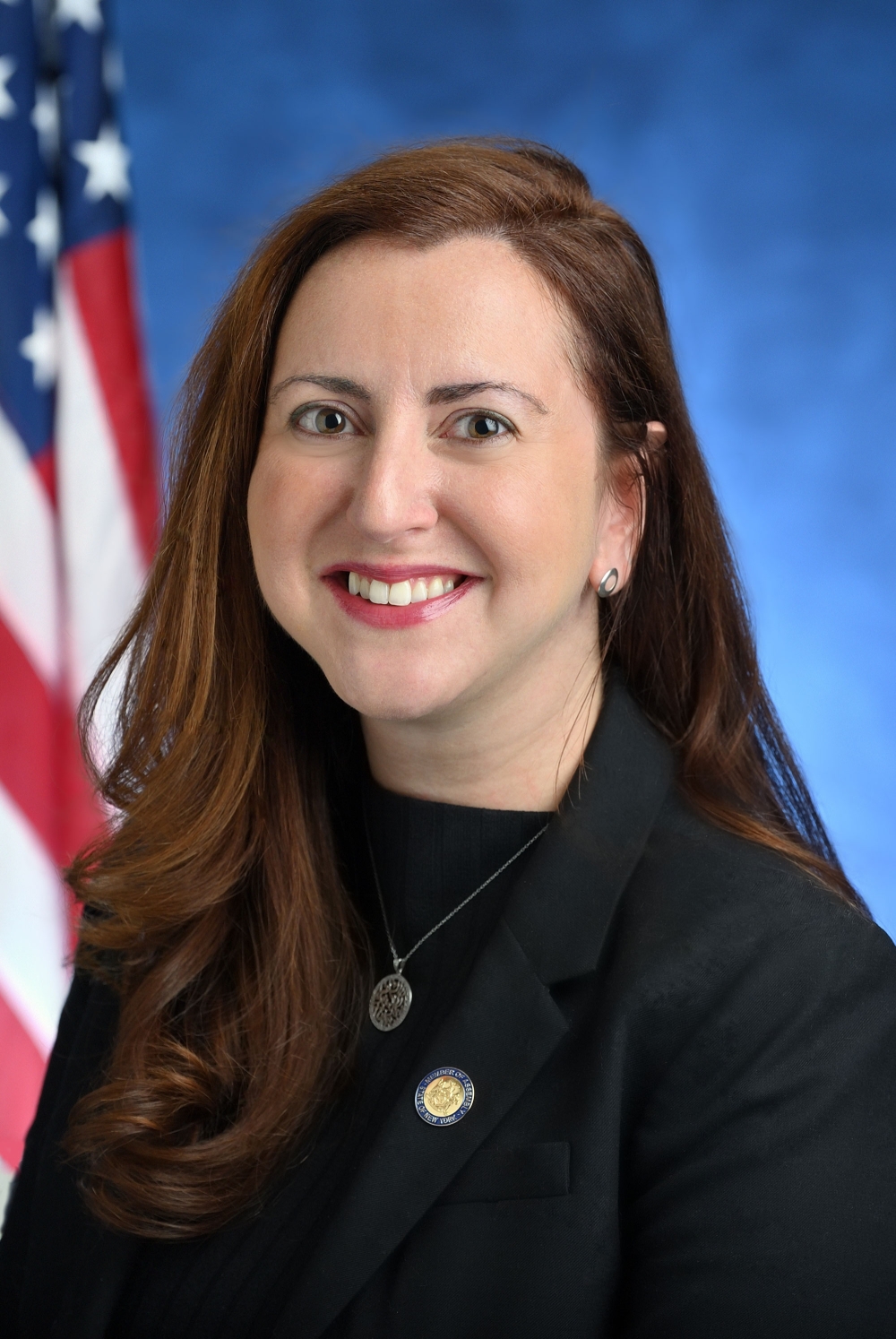
Asm. Nily Rozic
Sponsored bills
Maddy summaryThis bill requires all public water systems serving at least 15 year-round residents to replace every lead service line (the pipe connecting a water main to a building) by November 1, 2037. It directly affects homeowners, renters, and property owners in communities with lead pipes, as water systems must cover all replacement costs at no direct charge to customers - though water rate increases may fund the program. Water systems must offer free replacement, provide access to properties for work, and allow property owners 45 days to opt out by handling their portion themselves (with inspection). The law also defines "lead status unknown" lines and prohibits partial replacements that leave lead pipe in place.

Maddy summaryThis bill sets new requirements for who can supervise mental health counselors and marriage and family therapists in New York. It specifies that supervisors must have at least three years of active licensure, diagnostic privileges, and 36 hours of specialized training in supervision ethics. The bill also clarifies that supervised experience gained under certain department waivers - such as in settings operating under temporary authorization - can count toward licensing requirements. These changes apply directly to professionals seeking licensure and those providing supervision in the mental health counseling field.
Maddy summaryThis bill establishes New York's First Home Savings Program, creating tax-advantaged savings accounts for first-time home buyers. It directly affects New York residents who have never owned a primary residence (including those with mobile homes but excluding those who claimed home tax deductions), allowing them to save for purchasing a home in the state. Key provisions include tax incentives under state law, strict rules defining "first-time buyer" status, and requirements that funds be used only for qualified home purchases (houses, condos, or co-ops) within New York as a primary residence. Withdrawals for non-qualified purposes face penalties, while exceptions exist for death, emergencies, or military service. The program is managed by the state comptroller and requires accounts to be held at approved financial institutions.
Provides that persons charged with a parking violation shall be able to make an electronic court appearance unless a locality elects not to permit electronic appearances.
Relates to requiring employers to obtain an acknowledgement of receipt from employees of their sexual harassment prevention policy and sexual harassment prevention training program in writing in English and in employees' primary languages; requires employers to obtain acknowledgements from employees and keep such acknowledgements for six years.
Maddy summaryThis bill (A 9571) increases family leave benefits under New York's workers' compensation law, directly affecting eligible employees taking leave for medical care, bonding with a newborn, or military family exigencies. It gradually raises weekly benefit percentages (from 50% to 67% of average weekly wage) and extends maximum leave duration (from 8 to 12 weeks) over time, with specific phased-in dates starting in 2018. Covered employers must provide these enhanced benefits while maintaining health insurance coverage during leave. The changes apply to employees meeting eligibility criteria under the law, with the Superintendent of Financial Services retaining limited authority to delay increases.
Establishes the "jobs and housing act"; directs the private housing finance agency to develop and administer a jobs and housing pilot program to construct and preserve housing, including workforce housing, that is affordable to low and moderate income persons, and creates jobs for those who build and work in such housing.
Requires any dealer where lithium-ion batteries, bicycles with electric assist, micromobility devices and limited use motorcycles are sold at retail or repaired, and/or lithium-ion electric batteries are housed in a storage facility to maintain functional fire protection and suppression measures effective against lithium-ion battery and electrical fires, including but not limited to Class B extinguishers, battery cases, and automatic monitoring and detection; authorizes the department of state to promulgate necessary rules and regulations; imposes a fine of $250 for a knowing violation to comply with such provisions.
Adds to the crime of public lewdness the electronic transmission of an image depicting exposed private or intimate parts without the consent of the recipient.