

Maddy summaryThis bill lowers the voting age for school district elections from 18 to 16 years old. It directly affects 16- and 17-year-old residents in New York school districts who meet other voter qualifications. Key provisions amend multiple sections of the Education Law (including voting age requirements in Sections 2012, 2502, 2553, and 2603) to replace "eighteen" with "sixteen" and explicitly deem 16- and 17-year-olds as qualified voters. The bill also updates absentee ballot forms to reflect the new age requirement. It does not change voting eligibility for other elections or apply to non-school district voting.
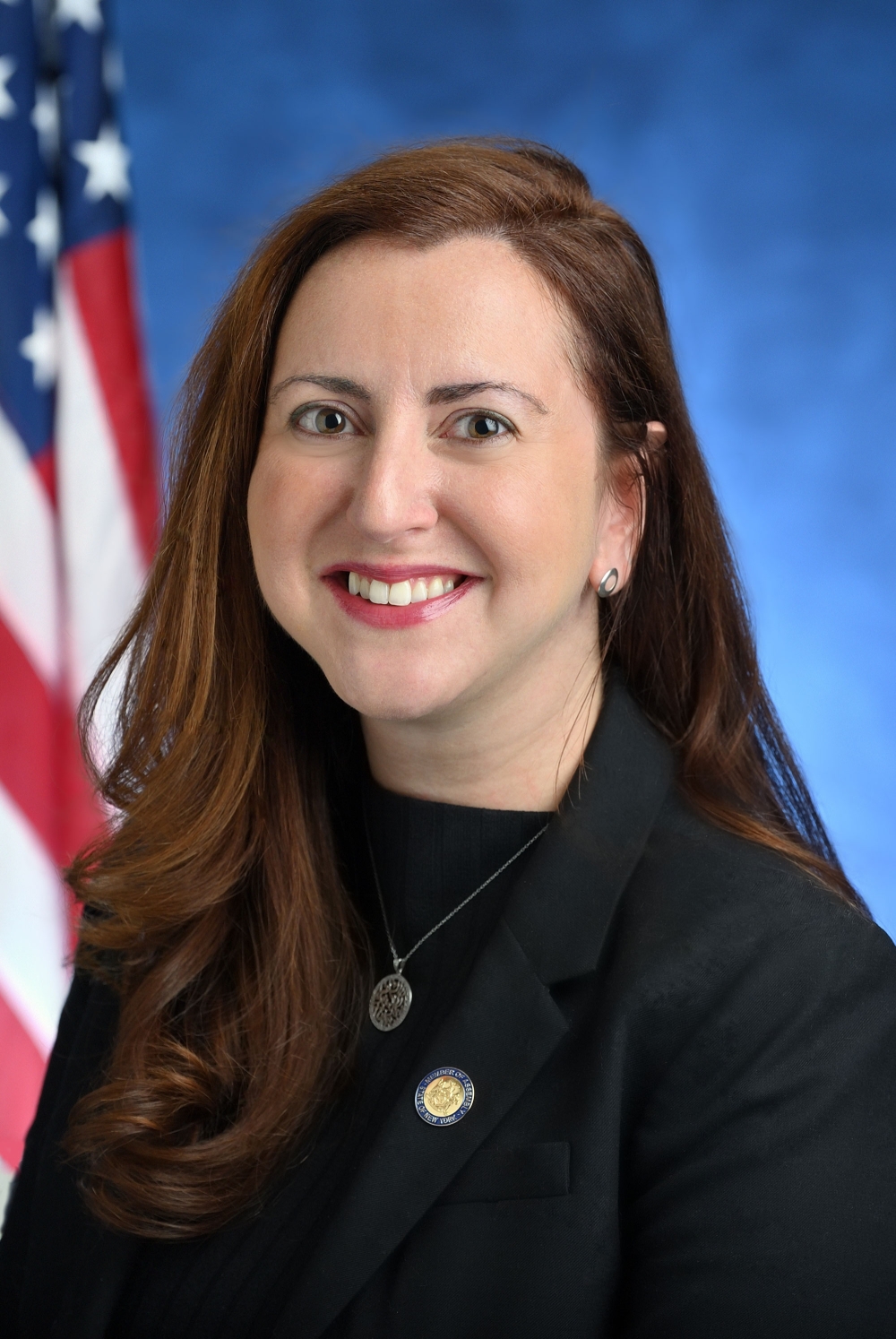
Asm. Nily Rozic
Sponsored bills
Relates to establishing sexual harassment prevention training protocols within the private sector including a model management policy and training program and how to properly disseminate information to employers and employees.
Maddy summaryThis bill allows property and casualty insurance companies to deliver certain notices electronically instead of by mail. It specifically applies to notices related to insurance contracts under vehicle and traffic law, such as policy changes or coverage evidence. The law requires electronic notices to meet state technology law standards and permits delivery to an electronic address not listed in the policy. This change directly affects insurance policyholders and companies by expanding how they receive legally required notifications. The bill makes electronic delivery legally valid for these specific notices, replacing the previous requirement for physical mailing.
Enables prosecutors to access orders of protection issued in association with sealed prior domestic violence cases if the offender commits a new domestic violence offense.
Maddy summaryBill A 8092 mandates that real estate brokers and salespersons complete sexual harassment prevention training. Under this bill, licensees must complete two hours of training every two years, immediately preceding their license renewal. This training is divided into two one-hour programs, with one completed in each year of the two-year cycle, and its content must align with existing labor law requirements. Licensees will be required to affirm their compliance with this new training when renewing their licenses.
Maddy summaryThis bill increases criminal penalties for damaging property or stealing items at religious worship sites and cemeteries. It makes damaging religious items (like scrolls, vestments, or religious symbols) at churches, synagogues, or religious museums a class D felony, and upgrades cemetery vandalism or theft (e.g., headstones, monuments) to higher felony levels based on value. Offenders face harsher punishments for targeting these specific locations, including theft exceeding $250 at cemeteries or damage exceeding $2,000 at religious sites. The law directly affects individuals who commit these acts at protected locations, with penalties now reflecting the heightened seriousness of targeting sacred or memorial spaces.
Requires state agencies and courts to take into consideration the International Holocaust Remembrance Alliance's definition and contemporary examples of antisemitism when reviewing, investigating, or deciding whether there has been a violation of any non-criminal or criminal law, rule, or policy prohibiting discriminatory acts.
Prohibits the diminution of health insurance benefits of public employee retirees and their dependents or reducing the employer's contributions for such insurance; defines employers to include the state, municipalities, school districts, and public authorities and commissions.
Categorizes the assault of certain employees of the New York city department of buildings or the New York city department of housing preservation and development as a class D felony.
Maddy summaryThis bill creates a 25% tax credit for homeowners who purchase, lease, or buy power from solar energy systems installed on their primary residence in the state. It directly affects residential property owners who install qualifying solar equipment, with a maximum credit of $3,750 for systems placed in service before September 1, 2006, and $5,000 for systems placed in service on or after that date. The credit covers equipment purchases, long-term leases (10+ years), or power purchase agreements (10+ years) for systems on the taxpayer's principal residence. It also includes provisions for shared ownership in condos or co-ops, allowing proportional credit claims based on individual contributions.