

Maddy summaryThis bill expands the definition of "period of war" for a veterans' property tax exemption to include recent military service. It adds specific conflicts: the Global War on Terrorism (starting September 11, 2001), and U.S. military operations in Somalia (1992-1994), Bosnia (1995-2004), and Kosovo (1999-1999) to the existing list. Veterans who served during these newly defined periods will now qualify for the tax exemption. The change directly affects veterans whose service falls within these added conflict dates. The bill amends existing law to clarify which military service periods count for the exemption.
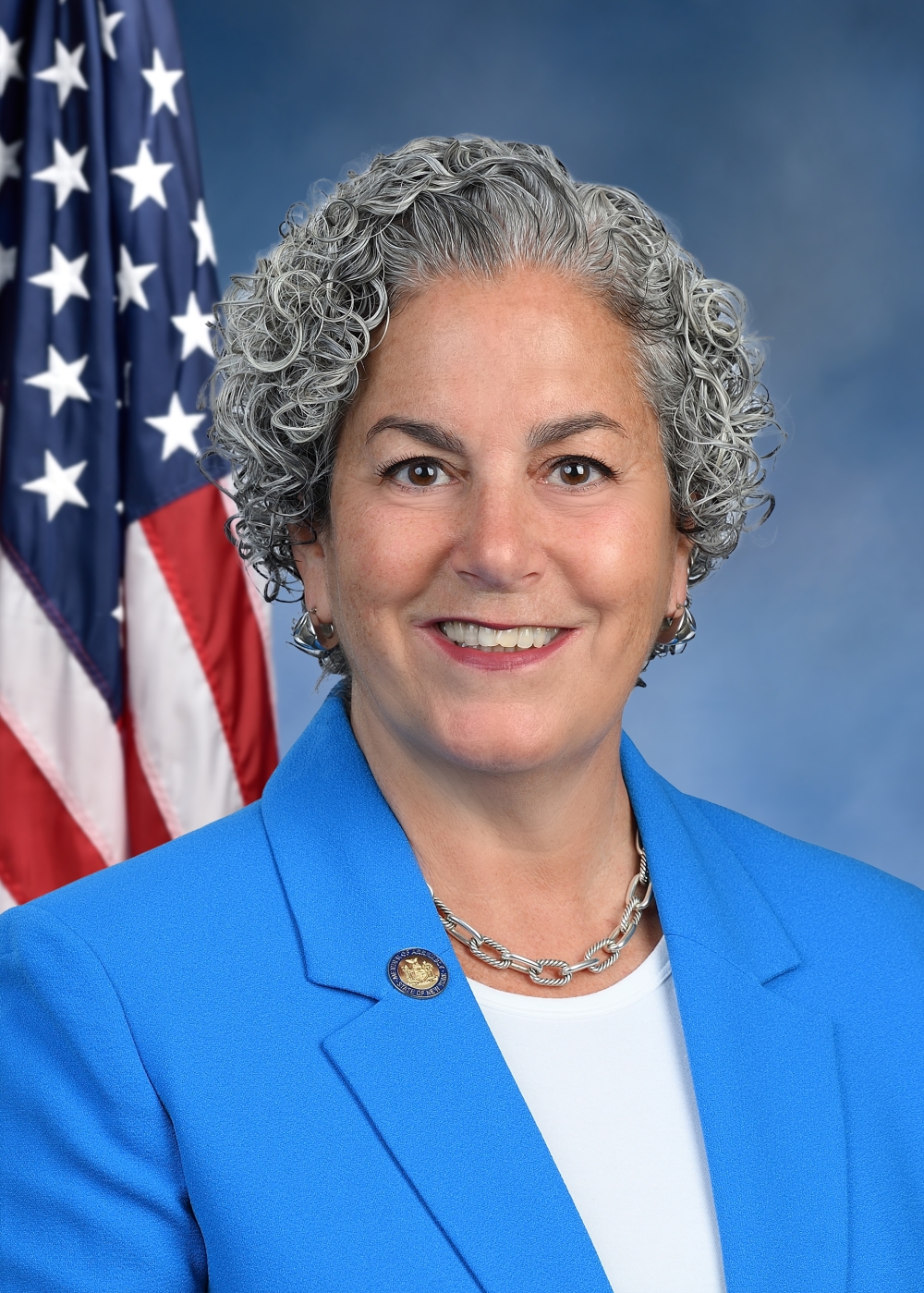
Asm. Stacey Pheffer Amato
Sponsored bills
Provides for the sealing of unfounded, exonerated, and pending claims made against law enforcement officers; requires such claims to be redacted from disciplinary records.
Provides that for taxable years beginning on and after January first, two thousand twenty-six, a resident taxpayer who serves as an active volunteer firefighter or as a volunteer ambulance worker shall be allowed a credit against the tax imposed equal to eight hundred dollars; provides for a real property tax exemption under certain circumstances to an enrolled member of an incorporated volunteer fire company, fire department or incorporated voluntary ambulance service residing in such city, village, town, school district, special district, fire district or county.
Maddy summaryThis bill requires New York City emergency medical services personnel to replace their body armor every five years. It directly affects all employees in the city's Bureau of Emergency Medical Services who wear body armor while providing emergency care. The key provision mandates that the armor must meet National Institute of Justice safety standards and be replaced on a fixed five-year schedule, rather than as needed. This creates a clear, mandatory maintenance cycle to ensure consistent protection for these first responders.
Maddy summaryThis bill (A 8810) extends accidental death benefits to children of qualifying public safety workers who were under age 25 when the worker died. Previously, benefits for children ended at age 18 or 23 (if a student), but this change provides lifetime benefits for those children. It applies to children of police officers, firefighters, EMTs, correction officers, and other emergency service workers covered under New York’s retirement systems. Benefits are calculated as the deceased worker’s salary minus other received death benefits and continue for the child’s lifetime without age restrictions.
Maddy summaryThis bill expands real property tax exemptions to veterans who served in designated combat zones or theaters of operation. To qualify, veterans must provide proof of their service through specific military documents, such as discharge papers, campaign medals, or records showing they received hostile fire pay. If eligible, the bill allows these veterans to reduce their property taxes by up to ten percent of their home's assessed value, with a maximum benefit capped at eight thousand dollars. The law takes effect immediately upon passage and applies to qualifying residential properties.
Requires law enforcement officers to conduct a lethality assessment as part of the standardized domestic incident report form when responding to incidents of domestic violence.
Requires respective changes to service and delivery charges for gas or electric service to be included in the information regarding average proposed rate changes required to be published by the public service commission in certain instances.
Expands the geographic area of employment of state university police officers; centralizes the state university police by appointing a commissioner of state university police; provides for the hiring of state university police officers.
Maddy summaryThis bill expands family leave protections to include employees who are recovering from a stillbirth. It modifies the state workers' compensation law to recognize stillbirth recovery as a qualifying reason for taking leave from work, similar to other family care situations already covered. The change applies to all employees covered under the existing family leave program and allows them to take time off without losing their job or benefits during their recovery period. The bill takes effect 90 days after becoming law.