

Requires all public school districts, charter schools and non-public schools in the state that participate in the national school lunch program or school breakfast program as provided in the national child nutrition act to serve breakfast and lunch at no cost to the student.
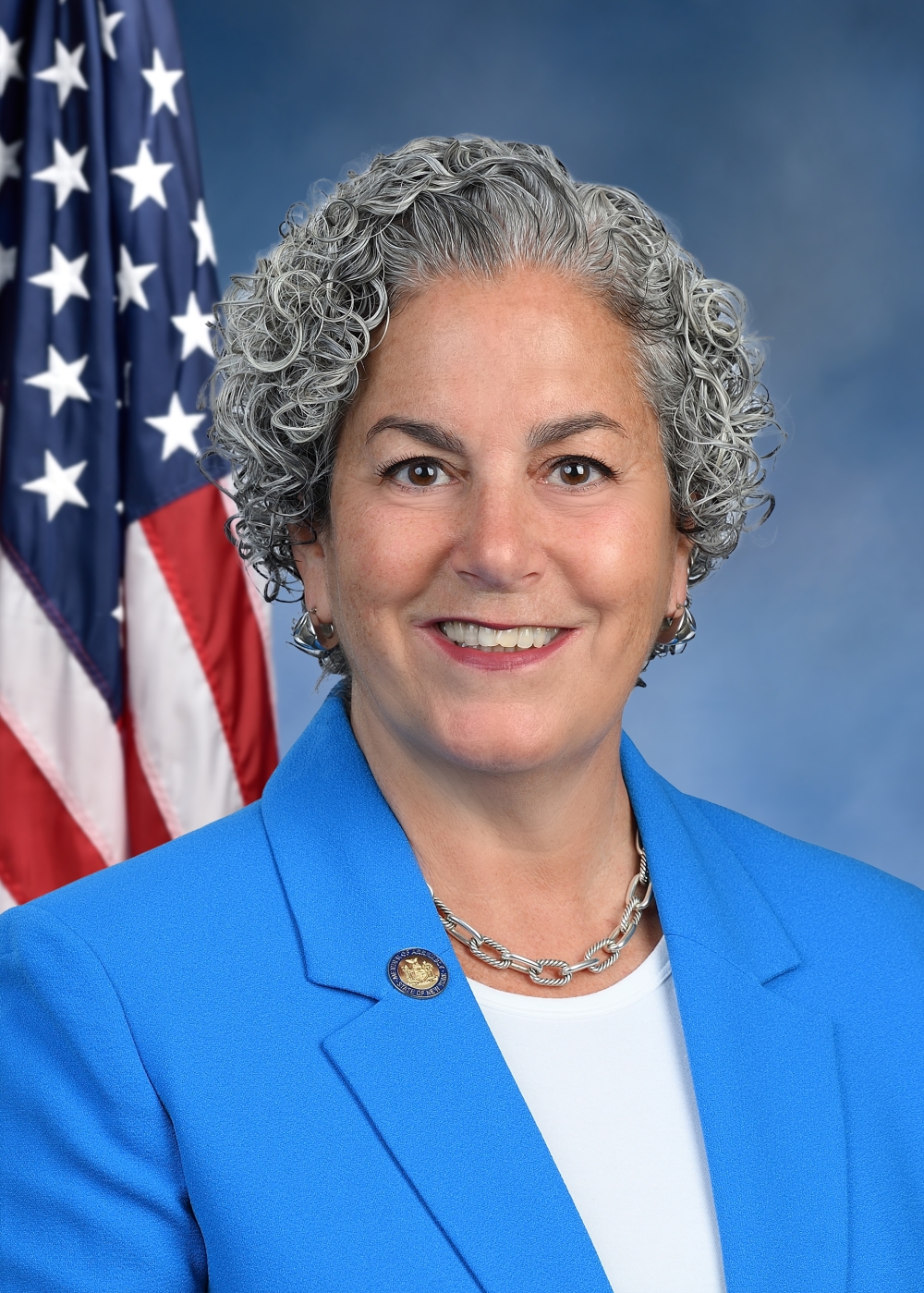
Asm. Stacey Pheffer Amato
Sponsored bills
Requires agencies and public employers to provide notice and a review period to employees whose personnel records have been provided pursuant to the state's freedom of information law.
Maddy summaryThis bill requires all New York school districts to provide financial management instruction to students in grades four through eight. It mandates curriculum covering practical topics like budgeting, saving, credit, debt, and insurance to build personal financial responsibility skills. The state education commissioner must establish program regulations, develop age-appropriate model materials, and offer technical assistance for curriculum design. The law takes effect July 1, 2025, with immediate rulemaking authorized for implementation.
Maddy summaryThis bill modifies New York City police pension calculations for detectives, sergeants, and lieutenants. It adds 5%, 10%, or 15% to a retiree’s highest rank salary (based on 25, 30, or 35 years of uniformed service) when computing pension benefits, replacing existing calculations under section 14-111. The increase applies only to those retiring in their current rank after meeting the service threshold. It directly affects NYPD members in these ranks who meet the specified service years, without providing additional benefits beyond the pension calculation adjustment.
Ensures that public retirees are not having their skilled nursing care benefits reduced under the state health benefit plan at the time they enroll for medicare.
Maddy summaryBill A 3423 grants court reporters and senior court reporters within New York's unified court system the legal status of peace officers. This change provides them with specific legal authority during court proceedings, such as the power to make arrests for offenses committed in their presence. However, the bill explicitly states this status does not permit carrying, possessing, or disposing of firearms without an additional license under New York's penal law. The bill was referred to the Codes committee on January 27, 2025, and focuses solely on defining the scope of court reporters' official authority.
Maddy summaryThis bill requires state, county, and local transportation agencies to design all publicly funded road projects - including construction, reconstruction, and major maintenance - to safely accommodate all users (drivers, pedestrians, cyclists, and transit riders) through "complete street" principles. It applies to projects receiving both federal and state funding under transportation department oversight, excluding routine resurfacing but including projects with a 10+ year lifespan. The law mandates agencies consider factors like traffic volume, population density, and community input when planning, rather than automatically prioritizing vehicles. It does not change existing project approvals but sets new standards for how projects must be designed.
Relates to service retirement benefits for certain members of the New York city employees' retirement system; provides that for New York city uniformed correction/sanitation revised plan members of the New York city employees' retirement system, the service retirement benefit shall not be reduced by the primary social security retirement benefit commencing at age sixty-two.
Requires appointing authorities to provide appointment and promotion letters when extending an offer of appointment or promotion to a position in the classified service.
Maddy summaryThis bill restores a 20-year service requirement for normal retirement benefits for New York City corrections officers and sanitation workers enrolled in a specific retirement plan (the "uniformed correction/sanitation revised plan"). It amends retirement law to change their normal retirement age from 22 years of service to 20 years, aligning it with their previous eligibility before a 2012 change. The key provision allows these workers to retire with full benefits after 20 years of service without needing to wait until age 62. This directly affects approximately 10,000 current and future NYC corrections/sanitation employees in this retirement plan. The bill takes effect immediately upon passage.