

Maddy summaryThis bill creates a presumption that lung diseases leading to disability or death for certain public safety workers were incurred on the job. It directly affects correction officers, correction supervisors, deputy sheriffs patrol, and deputy sheriff patrol supervisors employed by New York state or local governments. The key provision shifts the burden of proof: if these workers develop lung disease during employment (and passed a pre-hire lung exam), it is presumed work-related unless proven otherwise by the employer. This applies specifically to disability benefits under the state retirement system, streamlining claims for these occupations.
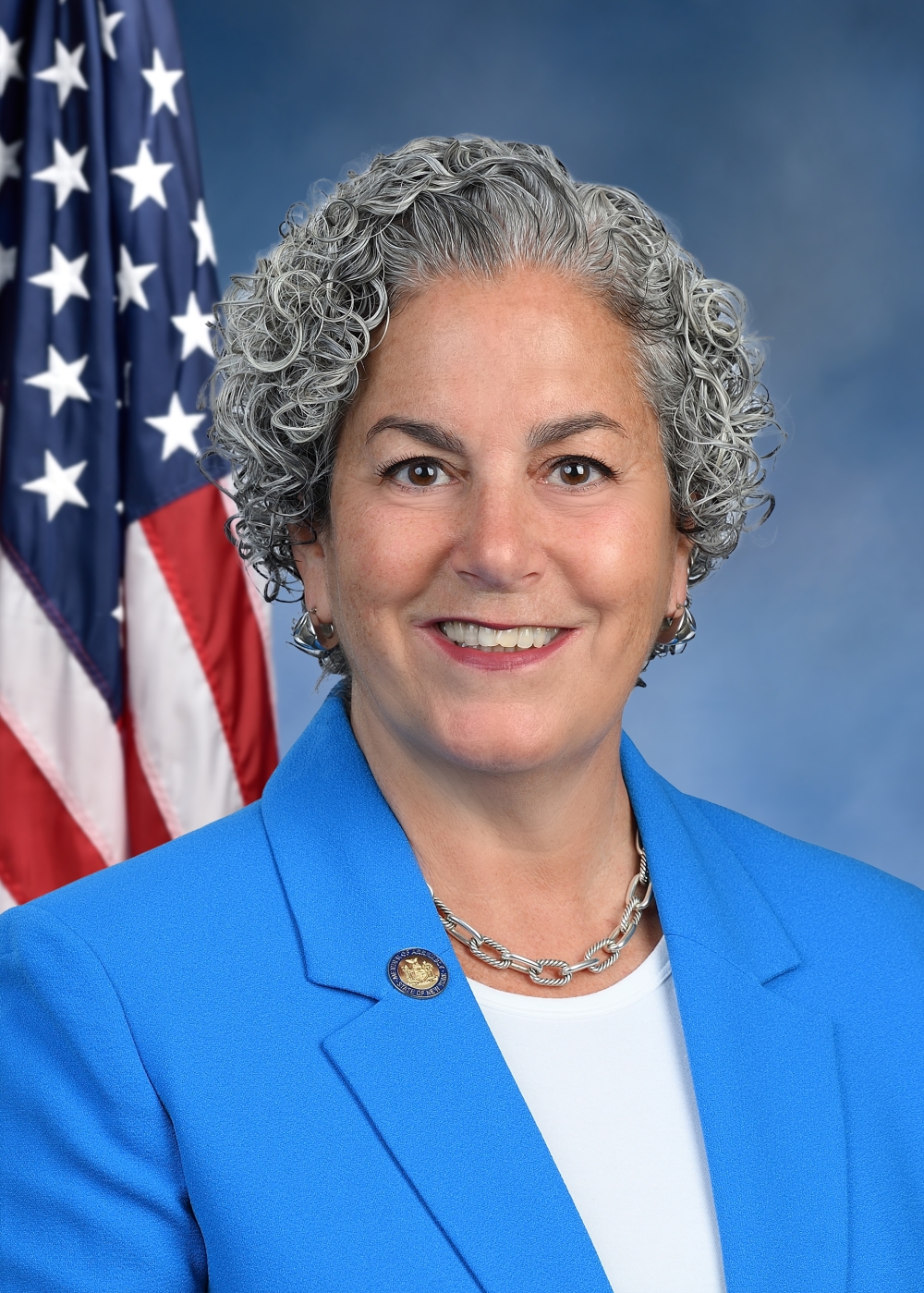
Asm. Stacey Pheffer Amato
Sponsored bills
Increases the amount of years of military service credit a member may purchase from three years to four years; provides that the provisions of such act shall not be subject to the requirement that the state shall make an equal payment to the retirement system.
Prohibits the knowing sale, offer for sale, or delivery of xylazine to persons under the age of 21 and without proof of the intended use for institutional, veterinary, or scientific purposes.
Maddy summaryThis bill creates a presumption that heart disease causing disability or death for certain public safety officers was work-related. It directly affects correction officers, correction supervisors, deputy sheriff patrol officers, and deputy sheriff patrol supervisors who are members of New York's state and local employees' retirement system. The law presumes that such heart conditions occurred during duty if the officer passed a pre-employment heart exam (showing no existing heart issues) and developed the condition while actively working. This shifts the burden of proof to the employer to disprove a work connection, streamlining disability benefit claims for these workers.
Authorizes the presentation of a New York State Cold War Commemorative Medal for active duty during the period of September 2, 1945 through December 26, 1991.
Maddy summaryThis bill grants P'nina Gluck, a former New York State Assembly employee, eligibility for Tier IV retirement status in the state and local employees' retirement system. It applies to her specifically because she failed to join the system in 2004 due to reasons beyond her control, and it retroactively treats her as if she had joined on January 1, 2004. To receive this benefit, she must submit a written request to the state comptroller within one year of the bill's effective date, and she will not receive refunds of any contributions she may have made. The state of New York will cover all past service costs associated with this change, and the bill takes effect immediately upon passage.
Provides for salary bonuses for members of the uniformed service with the New York city fire department who retire with at least twenty-five, thirty or thirty-five years of service.
Establishes the "clean fuel standard of 2026"; provides such standard is intended to reduce greenhouse gas intensity from the on-road transportation sector, with further reductions to be implemented based upon advances in technology.
Relates to death benefits for members of the uniformed force of the New York city department of sanitation and members of the uniformed force of the New York city department of correction; establishes that the beneficiaries of a member who would have been entitled to a service retirement benefit at the time of such member's death may elect to receive, in a lump sum, an amount payable which shall be equal to the pension reserve that would have been established had the member retired on the date of such member's death, or the value of the death benefit and the reserve-for-increased-take-home-pay, if any, whichever is greater.
Maddy summaryThis bill increases payments from the correction officers' variable supplements fund to beneficiaries. It requires the city to pay beneficiaries an amount equal to what they would have received if they retired on their earliest eligibility date, starting from January 1, 2025, up to their actual retirement date. The change applies to beneficiaries retiring after January 1, 2025, and covers the period between their earliest retirement eligibility date (or 2025, whichever is later) and their actual retirement. The bill takes effect immediately and was referred to the Governmental Employees committee.