Protects renters using a housing subsidy or voucher, or receiving public assistance from discrimination by the housing provider based on such renters' income or use of such housing subsidy, voucher or public assistance.
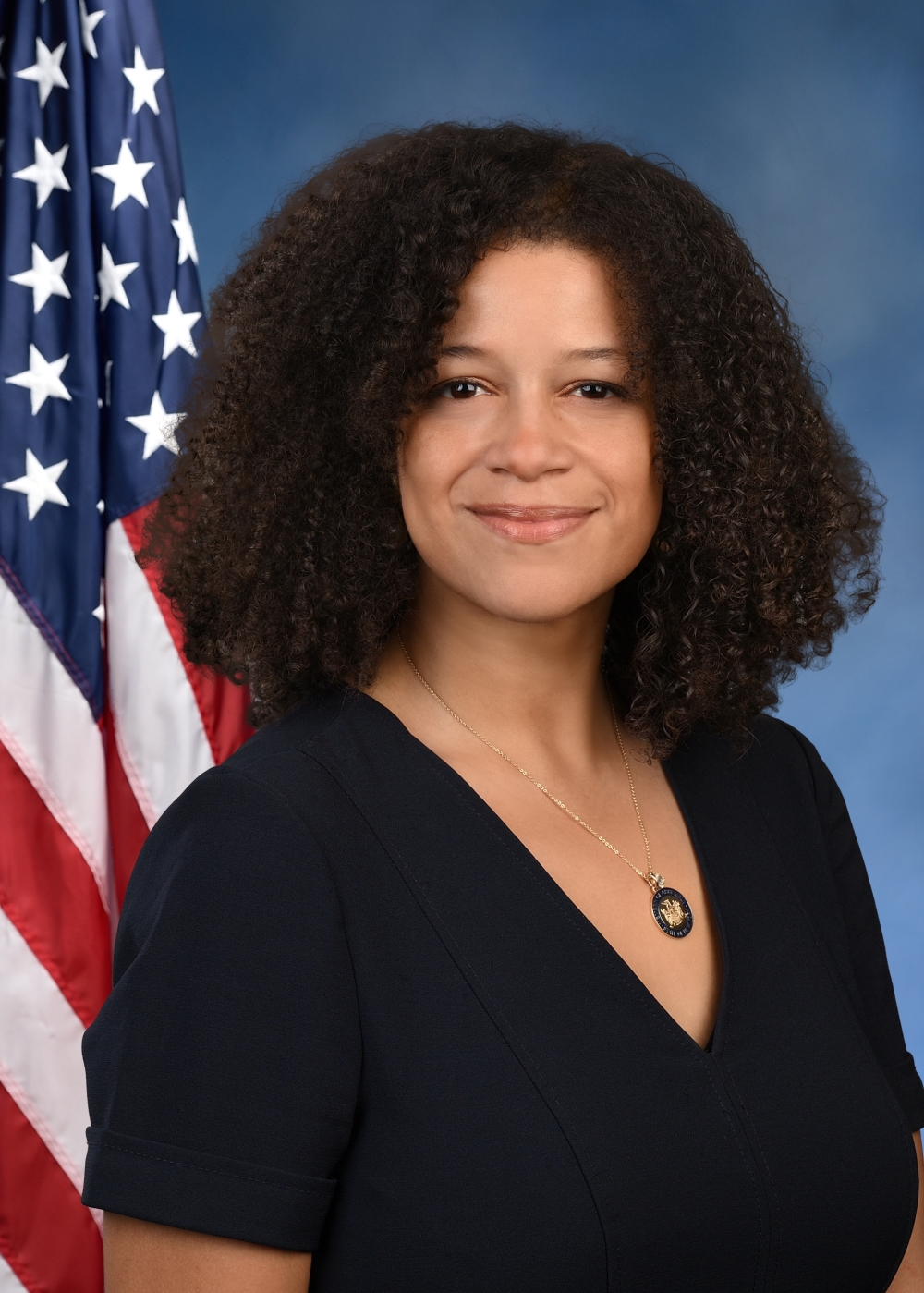
Asm. Michaelle Solages
Sponsored bills
Requires the introduction of coursework or training in nutrition for physicians on a periodic basis; provides for certain exceptions to such requirement.
Maddy summaryThis bill requires all New York public schools (K-12) to include a mandatory component on civility, citizenship, and character education in their curriculum. It mandates instruction on principles like honesty, respect, personal responsibility, and anti-bullying, with specific emphasis on discouraging harassment, discrimination, and promoting safety online. The curriculum must cover awareness of discrimination based on race, weight, national origin, religion, disability, sexual orientation, gender, and sex. School officials must integrate this into existing lessons without creating new programs, and the state education department will handle implementation rules. The law takes effect immediately upon enactment.

Maddy summaryThis bill changes New York's parole process by requiring the state board of parole to consider specific factors before granting release. It mandates evaluation of rehabilitation efforts (like programs, therapy, and work assignments), release plans (including housing, jobs, and support services), and deportation status, while prohibiting decisions based mainly on victim statements or prior criminal records. Parole denials must include detailed written explanations, and the board must report quarterly to lawmakers with demographic data on denied cases (excluding individual identities). These changes aim to standardize parole decisions and increase transparency.
Establishes the "secure our data act"; relates to cybersecurity protection by state entities; requires the office of information technology services to develop standards for data protection of state entity-maintained information.
Maddy summaryThis bill requires industrial development agencies to follow new steps before providing over $100,000 in tax exemptions or financial assistance for projects. Agencies must adopt a resolution describing the project, hold a public hearing at the project site, give 10 days' notice to local governments and school districts, and use a standardized application form. The application form must include details like project description, job creation estimates, cost breakdowns, and proof of compliance with tax and environmental laws. These changes directly affect agencies, local governments, school districts, and project applicants seeking tax incentives.
Maddy summaryThis bill creates the New York State Office of Gun Violence Prevention and a Gun Violence Advisory Council. The office will coordinate state, local, and federal efforts to prevent gun violence, centralize grant funding, improve data collection on firearm injuries, and run public education campaigns. It requires an annual report to the governor and legislature on gun violence trends and prevention strategies. The advisory council, including survivors, healthcare providers, community leaders, and law enforcement, must advise the office quarterly. The bill directly affects all New Yorkers by establishing a dedicated state agency focused on data-driven prevention and community collaboration.
Maddy summaryThis bill requires public buildings to provide diaper changing accommodations that are equally accessible regardless of the restroom's designated gender. It applies to new restrooms built after the law takes effect and to existing restrooms undergoing substantial renovations (defined as projects costing $10,000+). The law mandates that changing stations must comply with disability access, fire, health, and safety standards. It does not apply to all existing restrooms but only to those being renovated or newly constructed.
Provides for the issuance of certificates of registration for entities that manufacture or assemble zero-emissions vehicles and have no franchised motor vehicle dealers in New York if the sale of zero-emission vehicles in the state fail to meet certain targets.
Secures the continued validity of collective bargaining agreements during and after a change in operator or ownership of a property, facility, or company.