

Establishes a clinical preceptorship personal income tax credit for certain health care professionals who provide preceptor instruction to students studying to be a health care professional.
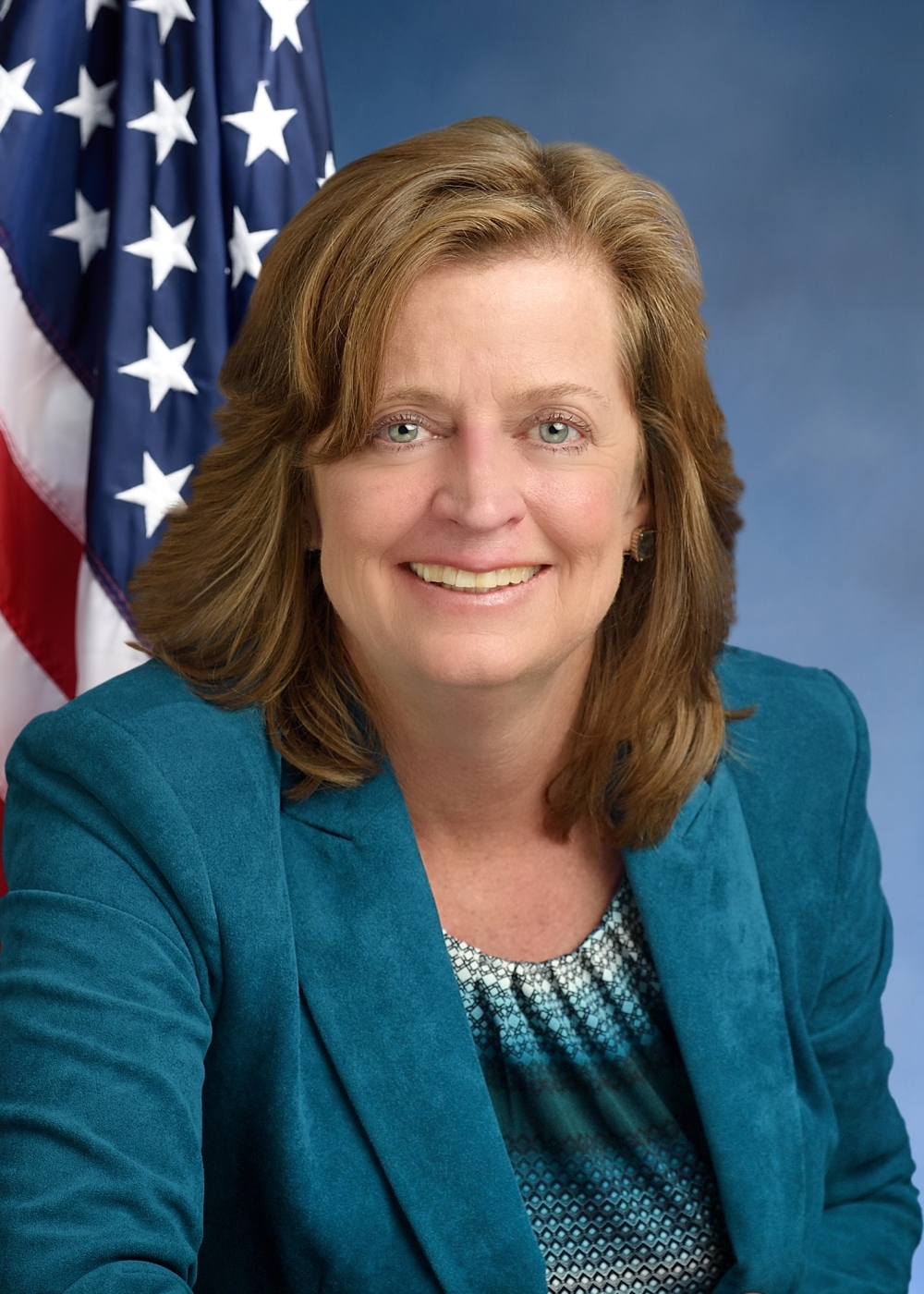
Asm. Judy Griffin
Sponsored bills
Maddy summaryThis bill makes it illegal to intentionally make phone calls displaying a police agency number to deceive, harass, or alarm others. It creates two offenses: second-degree spoofing (a misdemeanor) for first-time offenders, and first-degree spoofing (a felony) for those with prior similar convictions within ten years. The law directly affects individuals who impersonate police numbers through phone calls, targeting deceptive or harmful behavior rather than general phone fraud. Penalties range from up to a year in jail for misdemeanors to up to four years for felonies.
Maddy summaryThis bill allows New York residents aged 70 or older to request an automatic exemption from jury service without needing to prove physical or mental incapacity, undue hardship, or extreme inconvenience. To qualify, individuals must submit proof of age (via mail, fax, email, or in person) to the commissioner of jurors. The exemption applies to the entire jury service period, replacing previous requirements that applicants justify their request. It directly affects seniors receiving jury summonses and takes effect September 1 following enactment.
Maddy summaryThis bill expands sex offender registration requirements in New York by adding "authorized internet entities" (specific online services or platforms) to the list of information offenders must disclose upon registration. It requires sex offenders to report changes to their internet accounts, identifiers, or the specific online services they use within 10 days, similar to reporting address changes. A $10 fee applies each time an offender registers such changes to internet-related information. The law directly affects registered sex offenders who use internet services, mandating broader disclosure of their online activity to law enforcement.
Allows evidence of a defendant's prior crimes or acts to be admissible in a criminal case for certain purposes including as proof of motive, opportunity, intent, preparation, plan, knowledge, state of mind of the defendant, state of mind of the victim or other party, absence of mistake or accident, identity, modus operandi, or common scheme or plan; requires that the prosecution provide reasonable notice of the general nature of any such evidence it intends to introduce at trial.
Permits a school food authority to attribute moneys spent on purchases of food products from New York state farmers, growers, producers or processors made for its school breakfast program to the thirty percent of costs for school breakfast, snack and lunch service programs.
Maddy summaryThis bill (A 3262) increases state funding for early intervention services by 11% for the 2025 fiscal year. It directly affects programs providing early support for children with developmental delays or disabilities, which rely on state budget allocations. The key provision amends the public health law to set the 2025 funding level at 11% above the 2022 amount ($40 million). This creates a concrete, measurable funding increase for these services without changing program eligibility or structure. The change takes effect immediately, with the funding adjustment tied to the 2025 fiscal year.
Provides that any one-way, round trip or multi-trip tickets purchased for use on the Long Island Rail Road or the Metro-North Commuter Railroad Company by a senior citizen or a person with a disability shall be valid at any time during the day or night.
Relates to participation in World Trade Center rescue, recovery and cleanup operations by members of the organized militia; provides that members of the organized militia shall qualify as employees for the purposes of making a claim under the workers' compensation law for participation in the World Trade Center rescue, recovery and cleanup operations.
Maddy summaryThis bill allows companies or entities performing cleanup of PFAS (per- and polyfluoroalkyl substances) contamination to seek cost-sharing from other parties legally responsible for the pollution. It creates a new legal right under New York's General Obligations Law, specifically exempting PFAS cleanup providers from certain restrictions that previously limited their ability to pursue contribution claims. The law applies immediately to all PFAS-related cleanup efforts and directly affects cleanup contractors and the responsible parties (like manufacturers or polluters) who caused the contamination. This is a substantive policy change that clarifies cost allocation for PFAS remediation.