Relates to the New York State medical indemnity fund account payments; extends provisions relating to payments from the New York state medical indemnity fund; provides for the repeal of certain provisions upon the expiration thereof.
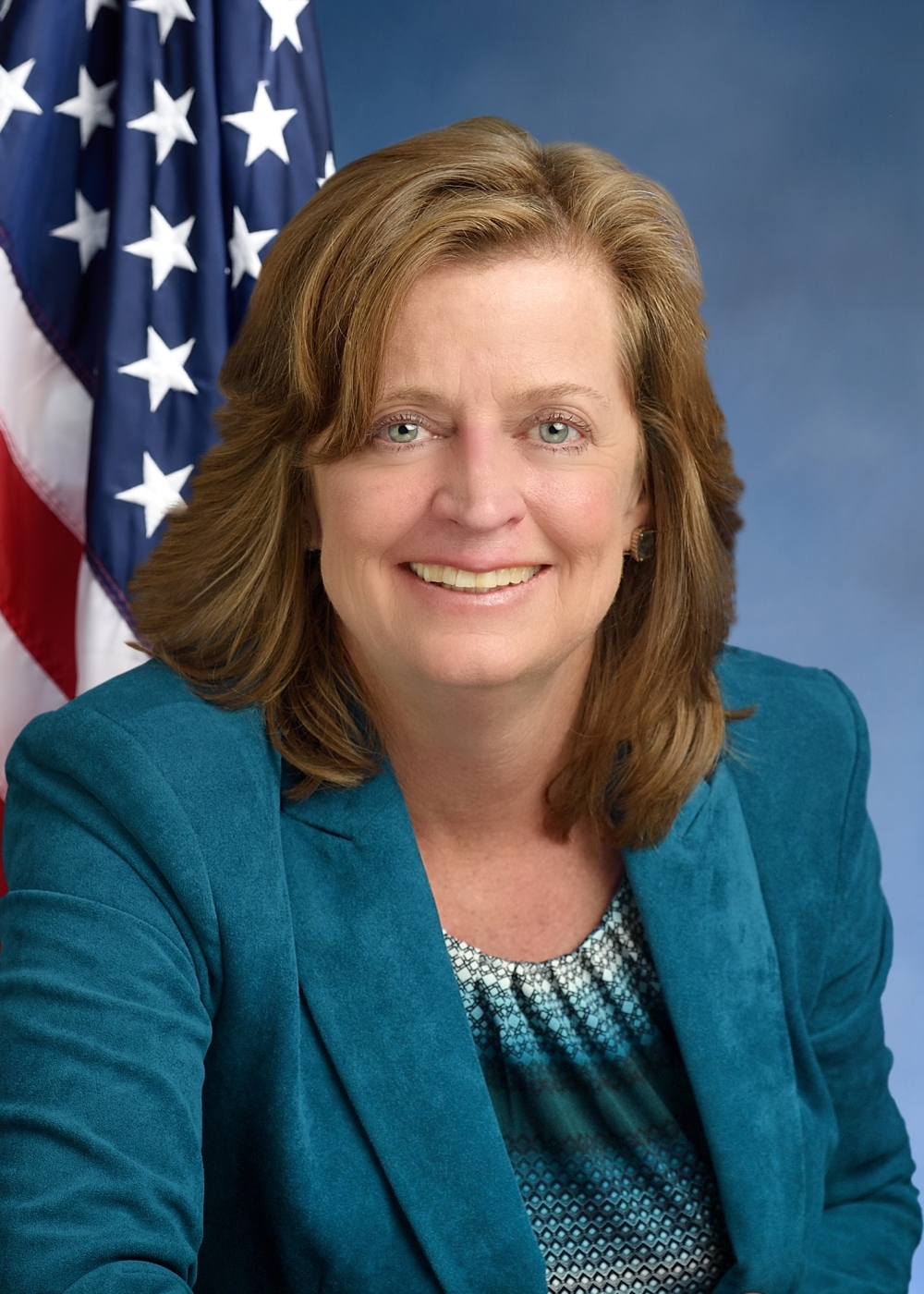
Asm. Judy Griffin
Sponsored bills
Maddy summaryBill A 8001 increases the maximum monetary amount that can be sought in small claims court cases. This bill raises the jurisdictional limit for "small claims" to fifteen thousand dollars, affecting individuals and businesses involved in these disputes. It amends the uniform city court act, uniform district court act, and New York City civil court act to allow claims for money only, or actions related to arbitration awards, up to this new limit. This change enables larger financial disputes to be heard through the small claims process.
Maddy summaryThis bill creates the New York State Worker Protection and Labor Enforcement Fund to support the Department of Labor's enforcement activities. The fund will be filled with money recovered from employer violations of specific labor laws (covering wages, safety, and other worker protections) and other designated sources. Funds can only be used to supplement labor enforcement efforts, such as hiring staff or conducting investigations, and must be reported annually to state leaders and the public. The fund becomes operational on April 1, 2026.
Authorizes a plaintiff commencing an action alleging conduct constituting a sexual offense or a civil offense involving the transmission of the human immunodeficiency virus shall have the right to proceed anonymously.
Maddy summaryThis bill updates rules for when construction projects must pay local prevailing wages. It applies to projects using at least 20% public funds (or $3 million/$5 million in public funds) for construction costs. Exemptions include single-family homes, small nonprofits, and certain affordable housing developments meeting specific affordability requirements. This affects contractors and developers working on qualifying projects funded in part by public money.
Maddy summaryThis bill (A 6051) expands protections under New York's assault laws by adding specific healthcare workers to the list of protected individuals. It amends Penal Law Section 120.05 to include medical providers (physicians, physician assistants), nurses (registered, nurse practitioners, certified nursing assistants), hospital employees, volunteers, ambulance personnel, and emergency medical staff as those who cannot be assaulted while performing their duties. The key mechanism is explicitly listing these roles in the legal definition of assault, making such attacks a more severe offense. It directly affects healthcare workers in hospitals, emergency departments, and related settings across New York State. The bill is currently referred to the Codes committee as of February 2025.

Maddy summaryThis bill automatically qualifies children with elevated venous blood lead levels (at or above 5 mcg/dl) for early intervention services by adding this condition to the legal definition of "disability" in public health law. It directly affects young children under three years old who are identified with lead levels meeting this threshold during medical screenings. The key mechanism amends Public Health Law to include elevated blood lead levels as a qualifying condition, eliminating the need for separate evaluations to access services. This change ensures children exposed to lead - known to cause developmental delays - receive timely support without administrative barriers.
Requires certain entities to stock opioid antagonists and to store naloxone nasal sprays with or adjacent to automated external defibrillator cabinets.
Authorizes the empire state development corporation to develop a public awareness campaign promoting businesses located in New York state with an emphasis on small businesses and the need to shop in downtown local areas; requires the creation of the Buy New York Online Networking Directory to connect purchasers with businesses located in New York.
Establishes certain offenses based on homicide due to criminal sale of a controlled substance; establishes the offense of criminal sale of a controlled substance to a child in the first degree; expands the definition of controlled substances with respect to certain offenses; increases the felony classification of certain controlled substance offenses; includes electronic prescriptions and blank prescription forms in the definition of certain controlled substance offenses.