

Maddy summaryThis bill establishes confidentiality for communications during law enforcement peer support counseling sessions. It directly affects police officers participating in peer support programs and the peer support specialists who provide counseling. The law prohibits disclosure of these communications to others within the agency, except when a participant expresses a specific threat of suicide, self-harm, child abuse, or criminal conduct - requiring disclosure only to prevent harm. Before sessions begin, specialists must provide written notice explaining the confidentiality rules and their exceptions.
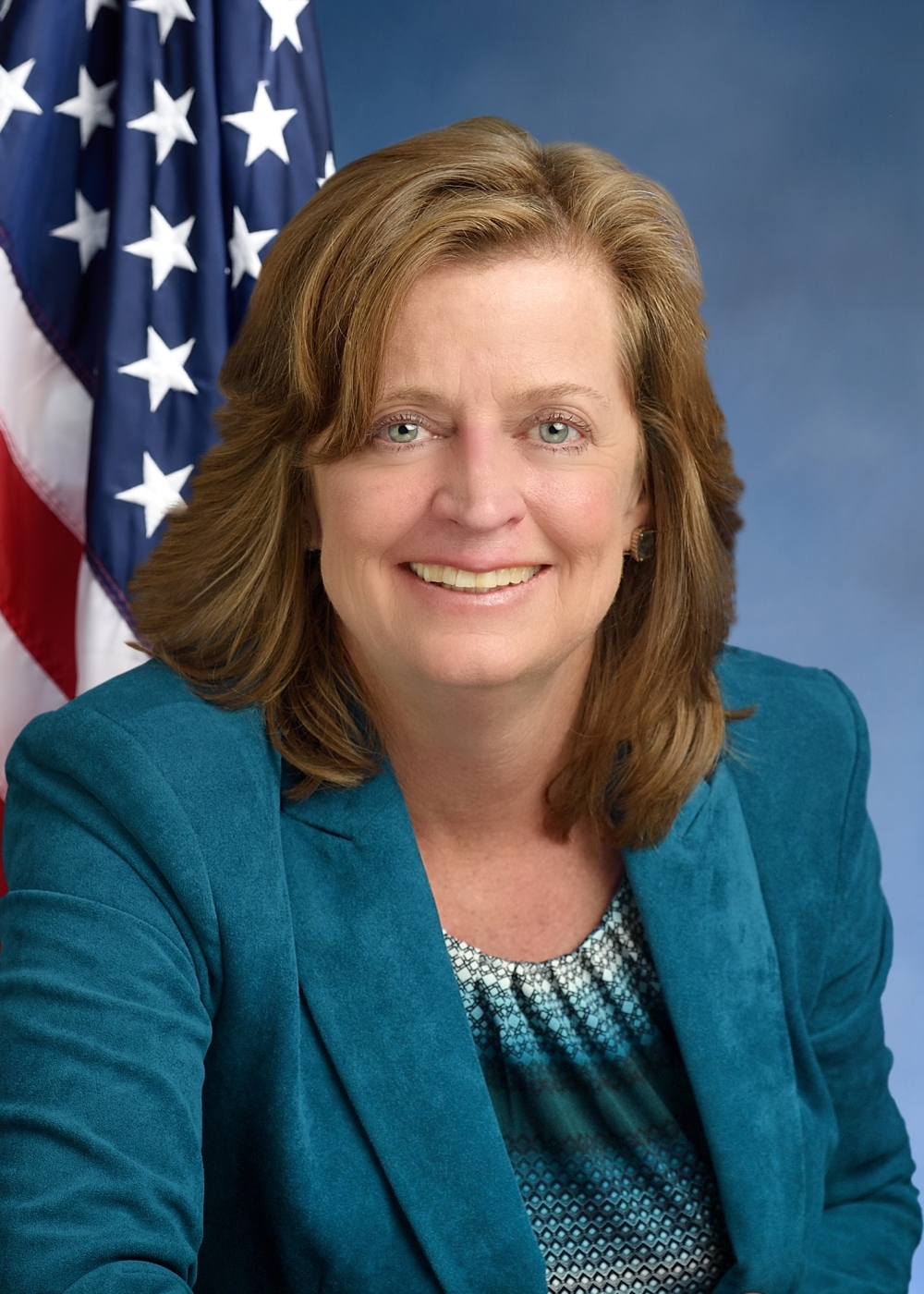
Asm. Judy Griffin
Sponsored bills
Maddy summaryThis bill requires all health insurance policies covering hospital, surgical, or medical care to include comprehensive coverage for perimenopausal and menopausal care and treatment. It mandates coverage for specific symptoms like hot flashes, sleep disruption, bone loss, and cognitive changes without annual deductibles, co-pays, or coinsurance. The law directly affects women experiencing these symptoms and their insurance providers, who must comply with the new coverage standards. It applies to all policies issued, renewed, or modified on or after the effective date (January 1 following enactment). The bill defines "menopause" as a 12-month absence of menstruation and "perimenopause" as the transitional phase leading to menopause.
Requires the same benefits and services for post-traumatic stress disorder for emergency dispatchers and correction officers as are afforded police and firefighters.
Relates to preventing discrimination and increasing awareness of rights for employees with menstrual-related conditions, perimenopausal-related conditions and menopausal-related conditions; requires employers to provide employees with an informational pamphlet on any regulations relating to the rights of employees.
Maddy summaryThis bill creates a pilot program requiring New York state health programs to pay no more than the lowest price for certain prescription drugs in Canada. It sets maximum prices based on the most recent drug pricing lists from Ontario, Quebec, British Columbia, and Alberta, starting with the five most expensive drugs. State agencies and health plans must pay these Canadian-based rates for covered drugs, and any savings generated must be passed directly to consumers through reduced costs. The program applies only to state-funded health plans and agencies purchasing drugs for state programs, excluding Medicaid.
Includes special districts in veterans' real property tax exemptions provided that such special district exemption is adopted by the local governing body.
Permits the principal of any high school to allow any local fire department, upon request, to enter the school for the purpose of fire department junior recruitment, including, but not limited to: making presentations; disseminating literature; and answering questions by students.
Relates to standards relating to hydrofluorocarbon substances; provides that any rules or regulations relating to hydrofluorocarbon substances established or implemented by the department of environmental conservation shall conform with, and shall not exceed, any applicable rules or regulations set forth in 40 C.F.R. Part 84, as in effect on October first, two thousand twenty-five.
Maddy summaryThis bill requires drivers pleading guilty to a basic impaired driving offense (subdivision one) to complete an alcohol or drug rehabilitation program, unless the court waives this requirement due to prior screening or assessment requirements. It increases fines for repeat offenses: a second offense within five years carries $500-$750, and a third offense within ten years is punishable by up to 180 days in jail or $1,500. The law applies to all drivers charged with impaired driving under New York's vehicle and traffic law and takes effect immediately.
Authorizes members or officers of the state police who were previously firefighters receive credit for such previous firefighter service for the purposes of retirement.