

Maddy summaryThis bill removes the permissive use of marijuana for volunteer firefighters and emergency medical services (EMS) employees who perform safety-sensitive tasks, such as driving fire apparatus, rescue operations, or providing emergency medical care. It requires fire agencies to implement drug testing (including preemployment, random, and cause-based tests) to ensure these employees are not impaired by cannabis, following federal standards. Additionally, volunteer firefighters or EMS staff using medical cannabis must immediately report prescriptions to their agency, which will then assess their fitness for duty with a medical director. The law directly affects volunteer safety personnel in fire and EMS agencies, prioritizing public and workplace safety by restricting cannabis use in critical roles.
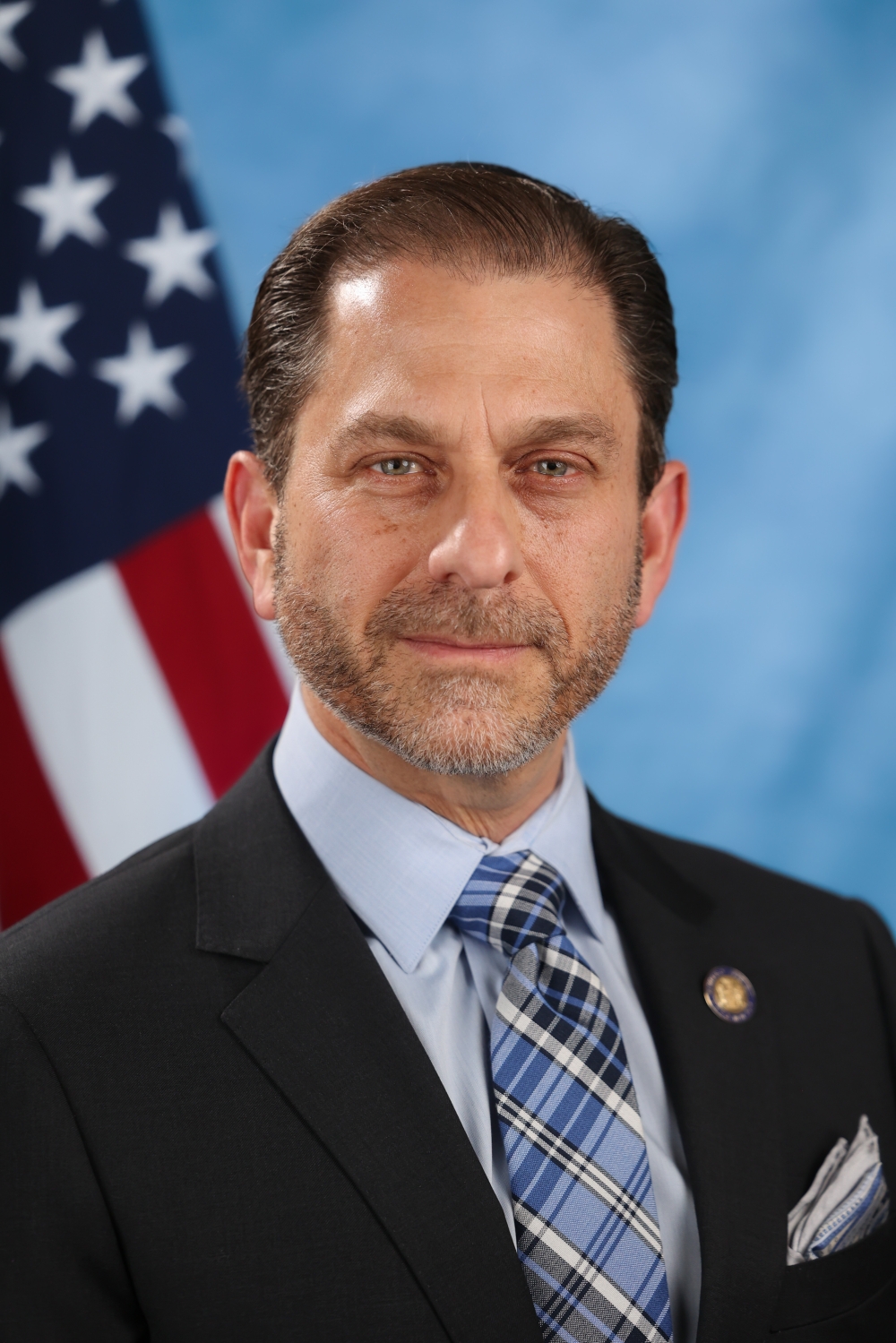
Asm. Ari Brown
Sponsored bills
Maddy summaryBill A 2697 requires public school students participating in interscholastic athletics to provide a yearly cardiac fitness certificate. This applies to students in seventh grade or those who will turn thirteen during the school year. The certificate must be signed by a licensed medical professional and include the results of an electrocardiogram or echocardiogram. It must also describe the student's cardiac fitness and state if any heart conditions could lead to severe adverse health outcomes during athletic activity.
Maddy summaryThis bill creates a new crime in New York law: "harassment of a first responder," punishable as a serious misdemeanor. It directly affects anyone who approaches within 25 feet of a law enforcement officer, firefighter, or emergency medical personnel (including volunteers) while they are performing their duties, after being verbally warned to stop. The law prohibits this behavior when the person intends to block the responder’s work, threaten them with harm, or repeatedly cause them serious emotional distress without a legitimate reason. The penalty applies to actions that interfere with critical emergency services during active operations.
Establishes masked harassment when a person wears a mask or other face covering that intentionally hides or conceals their face for the primary purpose of menacing or threatening another person or placing another person or group of persons in reasonable fear for their physical safety.
Establishes a rural remote recruitment program to provide monetary incentives for remote workers to relocate into rural areas of New York that opt into the program; provides an application process; provides for funding; requires on an annual basis a program report specifying the number of applicants to the program, the number of applicants approved, the names of participants, information as to benefits and the total increase in rural population.
Maddy summaryBill A 5187 expands the definition of hate crimes to include offenses committed against law enforcement officers, firefighters, and emergency medical services personnel. It amends existing law to classify an offense as a hate crime if the perpetrator intentionally targets an individual based on their actual or perceived employment in these roles. This means that crimes motivated by bias against these public safety workers could be prosecuted as hate crimes. The bill also provides specific definitions for who qualifies as a law enforcement officer, firefighter, or emergency medical services personnel.
Authorizes the imposition of bail for certain felony offenses involving the manufacture, sale, distribution, or possession with intent to sell synthetic opioids.
Maddy summaryThis bill requires private housing developers building affordable units to reserve 5% of new units specifically for veterans. It directly affects all companies, corporations, and programs operating under the state's housing finance law. The key provision mandates that developers must set aside these units at the time of construction, with "veterans" defined by existing civil service law. The law takes effect immediately upon passage.
Relates to the fine schedule for owner liability for failure of a vehicle operator to stop for a school bus displaying a red visual signal and stop-arm.
Enacts the "degree integrity and accountability act"; provides for mandatory degree revocation if convicted of: a violent felony offense; a terrorism offense; engaged in acts that constitute material support for terrorist organizations, including advocacy, incitement, or financial aid; participated in or led organized efforts to disrupt educational institutions through unlawful occupation, destruction of property, or threats of violence; or found guilty of severe misconduct by a university disciplinary board, including academic fraud, falsification of credentials pursuant or any act that would have prevented graduation had it been known at the time; establishes the degree revocation registry for creating an online database listing students whose degrees have been revoked for employers, academic institutions and government agencies.