Relates to qualifying offenses for pre-trial detention; adds class B felonies under article two hundred twenty of the penal law as qualifying offenses.
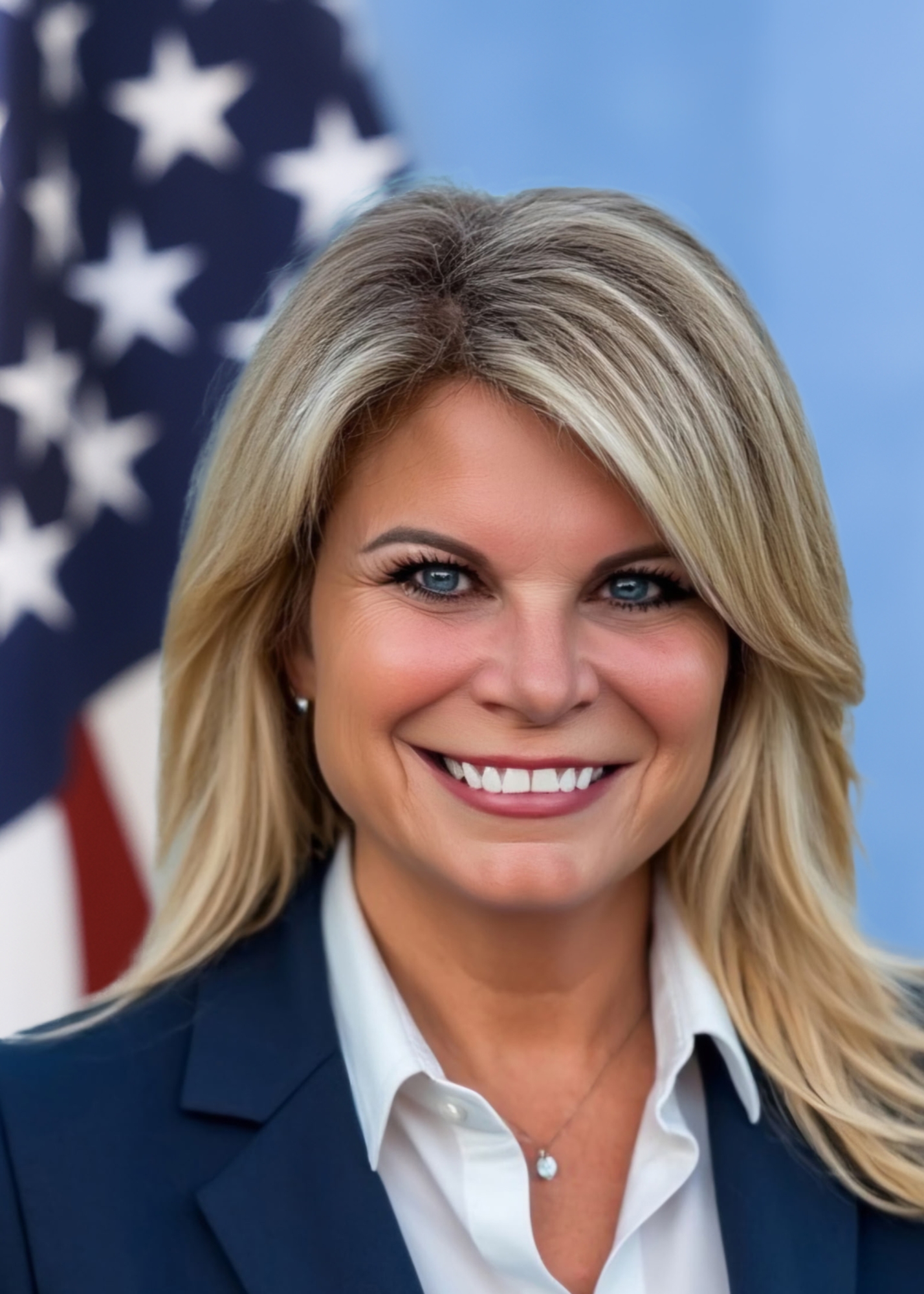
Asm. Jodi Giglio
Sponsored bills
Mandates the trustees of common school districts and the board of education of every union free school district to establish a code of ethics to be applied to the prohibition of the use of school resources for personal gain.
Establishes a veterans in agriculture assistance and outreach program to help integrate veterans into the field of agriculture, and support veterans currently working in agriculture; designs an associated logotype for the promotion of products produced by a veteran or qualified veteran business entity.
Maddy summaryThis bill allows New York school districts to create policies enabling home-schooled students to try out for and join district interscholastic sports teams. It requires these students to meet the same academic, health, and behavioral standards as enrolled public school students, including annual academic verification and age/eligibility rules. Home-schooled students would only be eligible to participate with their district of residence and must arrange their own transportation. The policy is optional for school districts and does not mandate participation.
Adds to the penalties for the underage use of cannabis the office of cannabis management contacting the person's parents and/or guardians and such person and their parents and/or guardians attending a cannabis diversion program.
Maddy summaryThis bill increases criminal penalties for assaulting, stalking, or harassing elected officials in New York State. It specifically targets acts causing serious injury to officials (including local leaders like town board or school board members) or threatening their safety, making these offenses felonies with higher penalties. Assault becomes a class C felony, aggravated assault a class B felony, stalking a class D felony, and certain harassment a class E felony. These changes apply to anyone who intentionally harms an official or their immediate family while they perform public duties.
Maddy summaryBill A 7407 permits public schools to utilize or display indigenous names for their extracurricular activities, such as sports teams. It defines "indigenous names" as those referring to indigenous persons, tribes, cultures, or traditions. The bill mandates the education commissioner to adopt regulations allowing this practice and to repeal any inconsistent rules. Notably, it does not prevent the commissioner from prohibiting public schools from using indigenous *logos or mascots*, distinct from names, except for classroom instruction.

Authorizes the fingerprinting of employees of informal child care providers; defines terms; provides that an informal child care provider means a program in a facility, other than a residence, in which child care is provided on a regular basis and is not required to be licensed by or registered with the office or licensed by the city of New York.
Maddy summaryThis bill removes a seasonal exemption that previously limited state liability for injuries caused by defects in state highways to the period between May 15 and November 15. It now holds the state liable year-round for damages resulting from such defects on highways maintained under the commissioner's system. The change applies to all state-maintained roads but excludes liability for defects in bridges outside state control. People injured by highway defects can now seek compensation regardless of the season.
Maddy summaryThis bill amends New York's criminal procedure law to clarify when courts can issue orders of protection for harassment victims during criminal cases. It specifies that courts may issue temporary protection orders while a case is pending and must state reasons for issuing or denying final protection orders after sentencing. The bill sets new maximum durations for these orders based on offense type: up to 8 years for felony convictions (10 years for certain sexual assault cases), 5 years for class A misdemeanors (6 years for sexual assault), and 2 years for other offenses. These changes directly affect courts handling criminal cases, defendants convicted of harassment-related crimes, and victims seeking legal protection.