Prohibits the legislature from recessing after the start of the state fiscal year until it has passed a budget; allows recess during such period for public holidays.
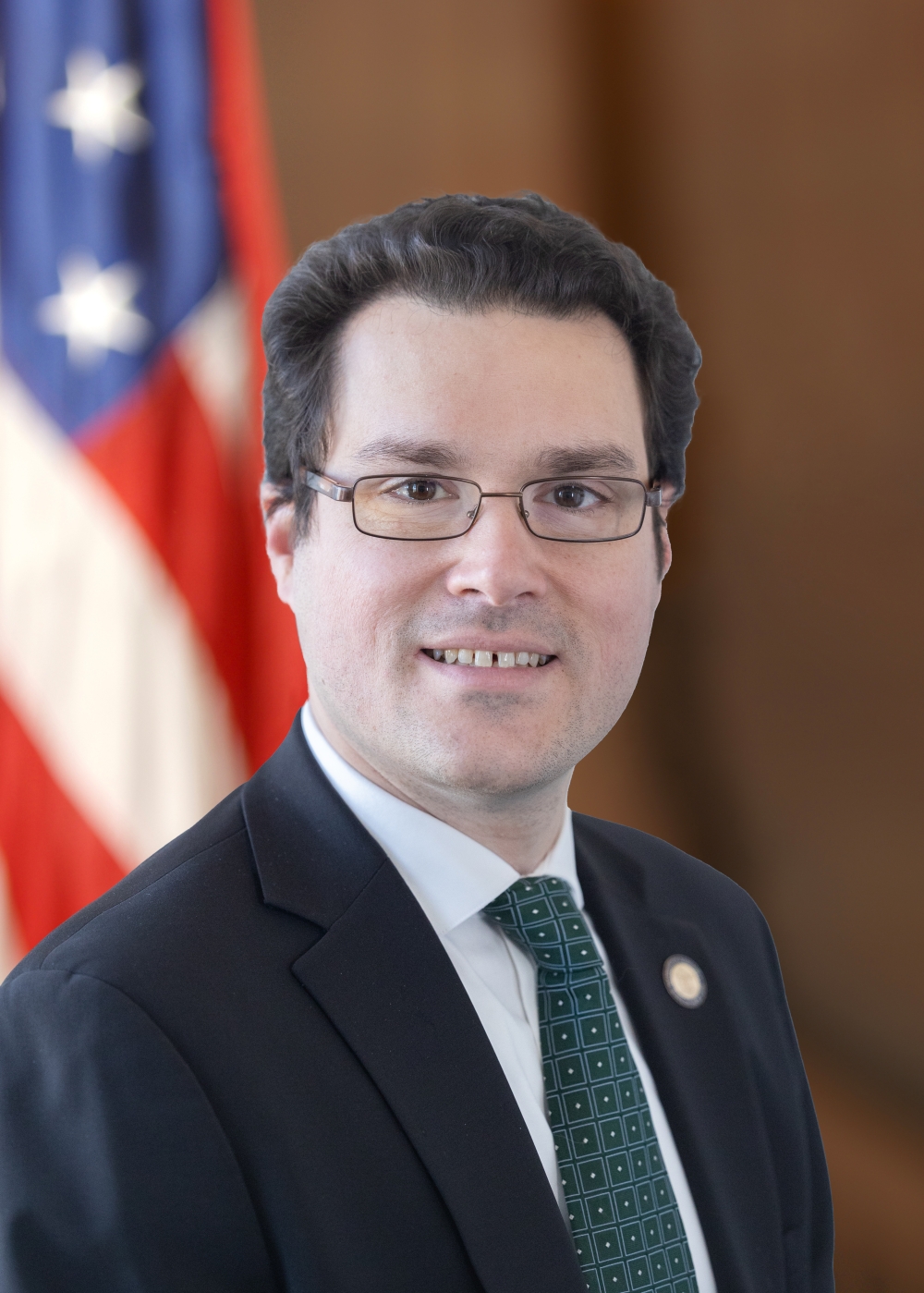
Asm. John Mikulin
Sponsored bills
Maddy summaryThis bill amends New York's Vehicle and Traffic Law to explicitly prohibit throwing or depositing grass clippings on any highway. It directly affects residents, landscapers, and others who might dispose of yard waste along roadways. The key provision adds grass clippings to a list of hazardous materials already banned on highways - including glass, nails, and cans - because they could injure people, animals, or vehicles. The law takes effect immediately upon enactment.
Increases penalties for the crimes of criminal diversion of prescription medications and prescriptions in the first, second, third and fourth degrees and criminal sale of a prescription.
Maddy summaryThis bill changes the definition of a "qualified historic home" to qualify for New York's historic homeownership rehabilitation tax credit. It adds three new location requirements: the home must be in a federally designated targeted area, in a census tract with income at or below the state median, or in a city under 1 million population with a poverty rate over 15%. These changes determine who can claim the credit for rehabilitating certified historic properties. The bill directly affects homeowners seeking tax benefits for restoring historic homes in specific geographic areas. The amendment takes effect immediately upon enactment.
Maddy summaryThis bill removes the permissive use of marijuana for volunteer firefighters and emergency medical services (EMS) employees who perform safety-sensitive tasks, such as driving fire apparatus, rescue operations, or providing emergency medical care. It requires fire agencies to implement drug testing (including preemployment, random, and cause-based tests) to ensure these employees are not impaired by cannabis, following federal standards. Additionally, volunteer firefighters or EMS staff using medical cannabis must immediately report prescriptions to their agency, which will then assess their fitness for duty with a medical director. The law directly affects volunteer safety personnel in fire and EMS agencies, prioritizing public and workplace safety by restricting cannabis use in critical roles.
Maddy summaryThis bill authorizes the New York State Power Authority to permit certain state and local governments, as well as non-profit corporations, to bundle electrical services with other utility offerings. It specifically allows counties, municipalities, school districts, fire districts, and similar entities to combine electricity purchases with other services through the Power Authority. The law changes the Power Authority’s existing authority to enable this bundling option, which could simplify procurement for eligible public and non-profit organizations. This is a direct policy change affecting how these entities manage their electricity contracts.

Maddy summaryBill A 2697 requires public school students participating in interscholastic athletics to provide a yearly cardiac fitness certificate. This applies to students in seventh grade or those who will turn thirteen during the school year. The certificate must be signed by a licensed medical professional and include the results of an electrocardiogram or echocardiogram. It must also describe the student's cardiac fitness and state if any heart conditions could lead to severe adverse health outcomes during athletic activity.
Maddy summaryThis bill creates a new crime in New York law: "harassment of a first responder," punishable as a serious misdemeanor. It directly affects anyone who approaches within 25 feet of a law enforcement officer, firefighter, or emergency medical personnel (including volunteers) while they are performing their duties, after being verbally warned to stop. The law prohibits this behavior when the person intends to block the responder’s work, threaten them with harm, or repeatedly cause them serious emotional distress without a legitimate reason. The penalty applies to actions that interfere with critical emergency services during active operations.
Maddy summaryBill A 5187 expands the definition of hate crimes to include offenses committed against law enforcement officers, firefighters, and emergency medical services personnel. It amends existing law to classify an offense as a hate crime if the perpetrator intentionally targets an individual based on their actual or perceived employment in these roles. This means that crimes motivated by bias against these public safety workers could be prosecuted as hate crimes. The bill also provides specific definitions for who qualifies as a law enforcement officer, firefighter, or emergency medical services personnel.
Relates to the fine schedule for owner liability for failure of a vehicle operator to stop for a school bus displaying a red visual signal and stop-arm.