

Establishes the New York advanced nuclear energy office; establishes an advanced nuclear energy development fund to provide grants to assist in nuclear energy production in the state; authorizes such energy development fund draw from the environmental bond act of 2022 available for green buildings projects.
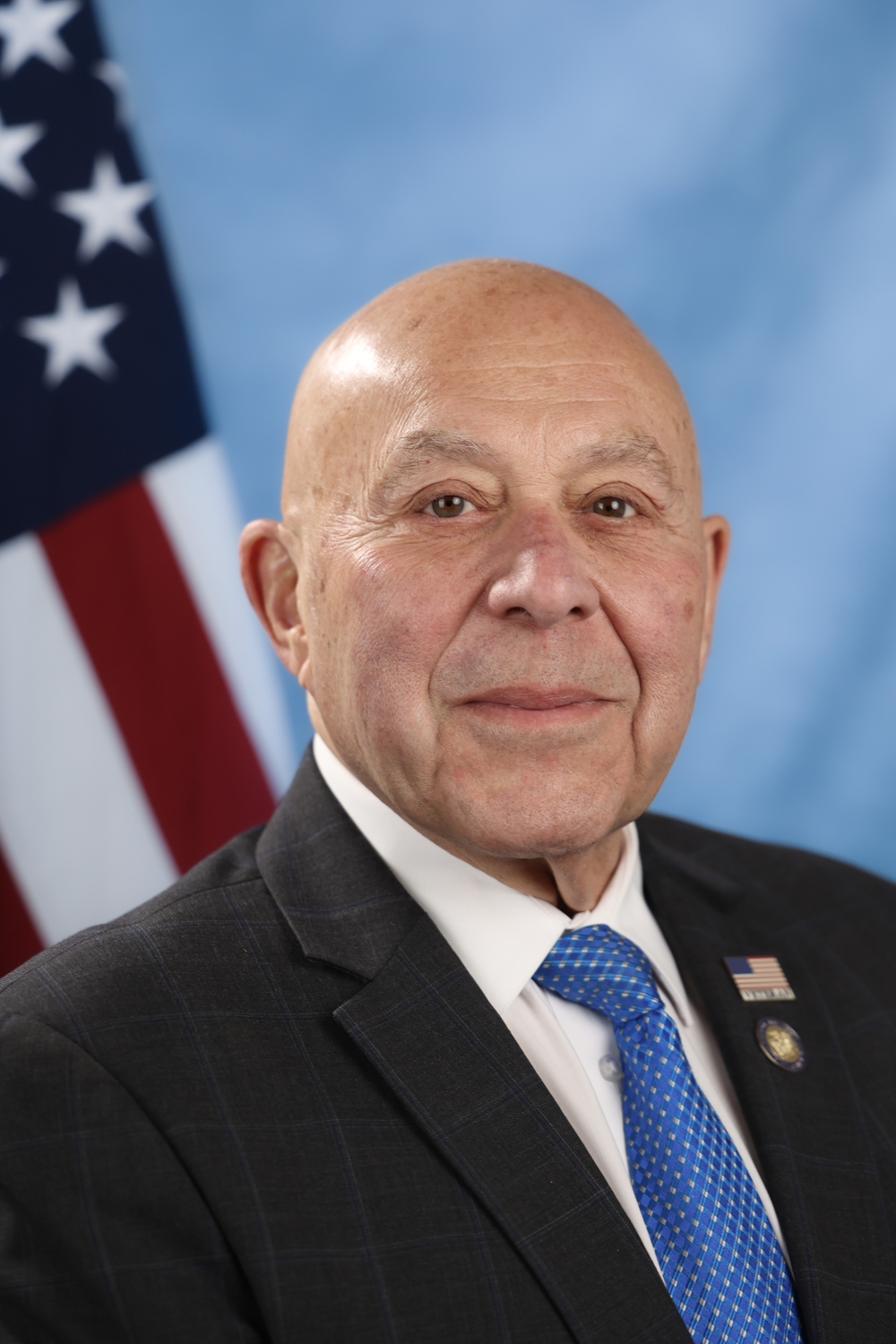
Asm. Angelo Morinello
Sponsored bills
Establishes the power authority of the state of New York shall make low cost hydropower available to hospitals and municipal housing authorities located within Niagara County.
Requires electric utility corporations, energy services companies and municipalities to provide an itemized breakdown on all monthly bills detailing infrastructure costs, contributions to the New York Power Authority, and other public utility investments.
Requires utility corporations and municipalities to ensure that bills for service to residential customers include a line item for cost impact measures taken in accordance with the climate action council's final scoping plan; requires the department of public service to establish a formula to enable utility corporations and municipalities to calculate the cost impact on each residential customer's bill attributed to measures taken in accordance with the climate action council's final scoping plan.
Maddy summaryThis bill creates a new felony offense, "endangering the welfare of a child in the first degree," which is punishable by a class D felony. It applies to individuals who knowingly act in ways that create a foreseeable risk of serious physical injury or long-term emotional harm to a child under 17, or to those with prior convictions for the existing misdemeanor-level "endangering the welfare of a child in the second degree." The current second-degree offense (a class A misdemeanor) covers less severe conduct, such as failing to prevent a child from being abused, neglected, or exposed to danger. The bill also updates related provisions, including a defense for religious treatment of illness and civil claims for sexual offenses.
Maddy summaryThis bill requires that certain legislative bills be scheduled for a floor vote if they reach specific co-sponsorship levels. Assembly bills must have at least 76 co-sponsors to be brought to the floor for a vote during the same session they were introduced, while Senate bills need 32 co-sponsors. The law applies to all bills introduced in the current legislative session and mandates that once the threshold is met, the bill must be considered on the floor. It directly affects legislators who introduce bills by setting minimum support requirements for floor consideration.
Maddy summaryThis bill designates May as "Elder Appreciation Month" each year, recognizing older adults through a formal legislative designation. It does not create new holidays, funding, or policy requirements - only establishes a symbolic month of recognition. The bill amends the executive law to add May to the list of months designated for commemoration, specifically honoring elders. As a procedural resolution, it has no direct impact on individuals or programs but serves to highlight elder appreciation annually.
Maddy summaryNew York's Senate Bill A 10321 requires solar and wind energy companies to provide financial security - such as bonds from licensed sureties - before receiving permits for their projects. This security must cover the estimated cost of restoring land after the project ends and remains in effect until reclamation is approved by the commission or office. Companies must replace canceled security within 30 days, and remain personally liable for any reclamation costs not covered by the security. Government entities like municipalities are exempt from these requirements.
Prohibits the elimination of building systems or equipment used for the combustion of fossil fuels, including, natural gas, propane and fuel oil in new building construction.
Maddy summaryThis bill establishes a reservation preference for New York state residents at state parks and recreational facilities. It authorizes the state to allow residents to book cabins and campsites up to ten months in advance, while non-residents are limited to nine months. To enforce this preference, residents booking more than nine months ahead must show a valid New York driver's license or ID card upon arrival. The changes take effect on May 1st of the year following the bill's passage.