

Maddy summaryThis bill (A 5165) changes sentencing requirements for certain serious crimes in New York. It mandates that defendants convicted of specific types of first-degree murder (as defined in sections 125.27(i)-(iii) of the penal law), aggravated murder, or certain terrorism/chemical weapon offenses must receive either the death penalty or life imprisonment without parole. For other first-degree murder convictions, the court must choose between death, life without parole, or a standard class A-I felony sentence. The bill also specifies that individuals convicted of murder in the second degree under defined circumstances must receive life without parole. These changes apply directly to defendants convicted of the listed offenses in New York State.
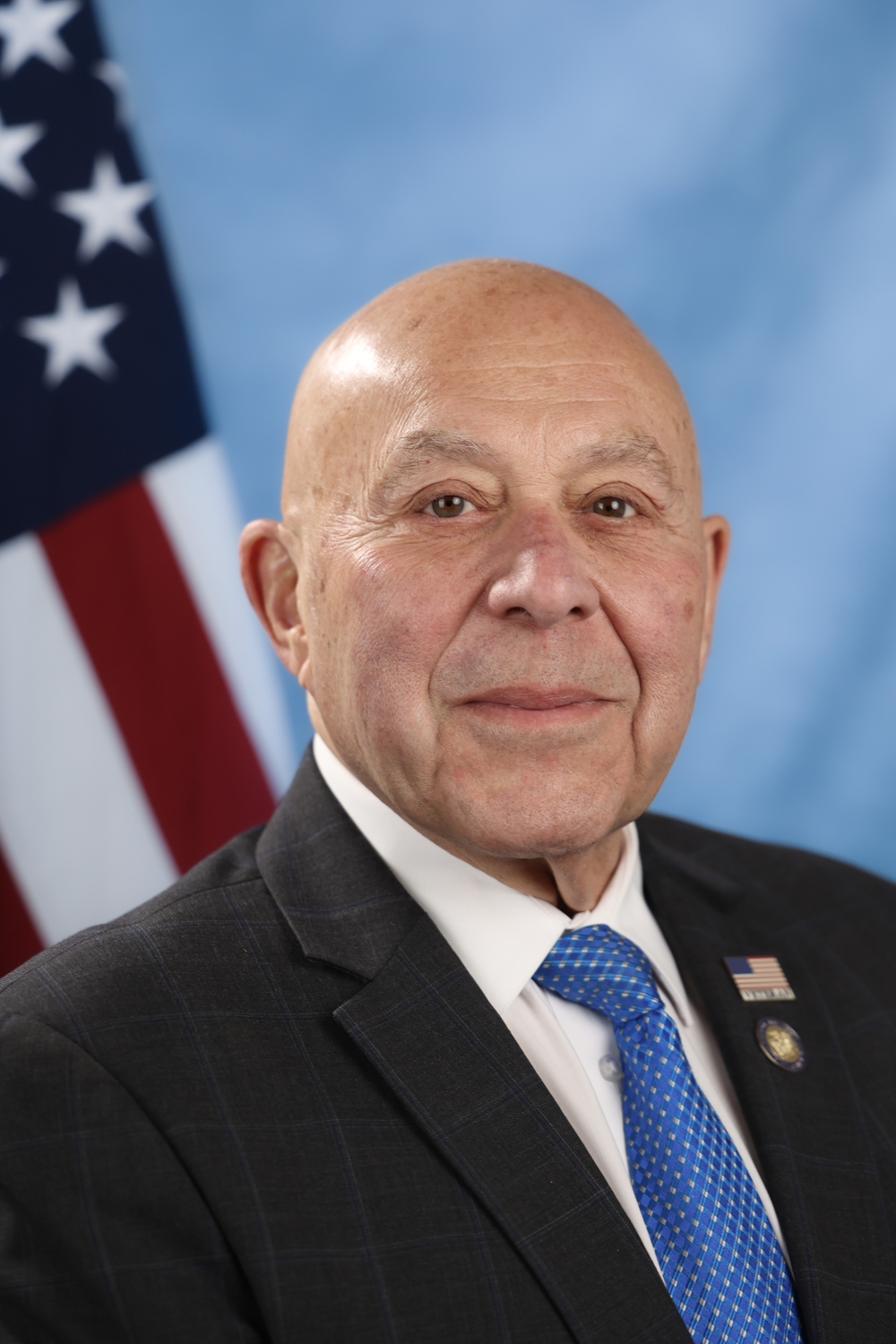
Asm. Angelo Morinello
Sponsored bills
Maddy summaryThis bill requires New York's Education Commissioner to survey school districts about how they teach Jewish heritage history, including what grades cover it, teaching methods, and challenges faced. It creates a 4-member advisory committee of education experts to review the survey findings and recommend improvements to K-12 curriculum and instruction. The survey results and committee recommendations must be reported to state leaders by January 2026, with the bill expiring after three years. The bill directly affects school districts' current practices in teaching Jewish heritage history but does not mandate new curriculum or funding.
Allows withdrawals from family tuition accounts to pay for treatment of substance use disorder, including detoxification and rehabilitation for the designated beneficiary.
Maddy summaryThis bill requires New York state contracting agencies to set minority and women-owned business enterprise (M/WBE) participation goals based on the actual percentage of certified M/WBEs in each specific industry within the relevant economic development region. It mandates that the Department of Economic Development publish these regional industry-specific M/WBE percentages on its website for every state contract bid opportunity, updating them annually. This directly affects state agencies awarding contracts and contractors who must meet these data-driven participation rates. The policy change replaces previous fixed requirements with regionally and industry-specific targets to better reflect local business certification rates.
Adds impersonation of board of elections members or other election officers, or an employee thereof, to the crime of criminal impersonation in the first degree.
Establishes the crime of failure to retreat when a person who is within twenty-five feet of a police officer or peace officer engaged in the performance of their duties and the police officer or peace officer orders such person to halt or retreat and the person fails to do so immediately; requires the posting of bail.
Maddy summaryThis bill creates a $500 annual tax credit for K-12 teachers in New York who pay out-of-pocket for approved classroom supplies. It covers expenses like books, writing tools, paper, instructional materials, and field trips, but excludes religious materials, sports programs, and most extracurricular activities (except music/drama). The credit reduces income tax liability, with any excess paid as a refund if it exceeds the tax owed. The credit applies to taxable years starting January 1, 2027, and is limited to qualified public or private schools. It directly benefits teachers who bear these costs without employer reimbursement.
Requires a state agency to get approval from the senate and the assembly prior to adopting or readopting a rule on an emergency basis unless such rule is necessary on an emergency basis for the preservation of the public health, safety and general welfare of the public.
Enacts the "motor carrier safety compliance requirement act"; requires companies contracting with motor carriers to verify compliance with safety regulations, maintain proper oversight, and ensure adherence to established safety practices.
Relates to granting local law enforcement agencies the authority to enforce federal immigration law under the 287(g) program in order to enhance the enforcement of federal immigration laws regarding individuals engaged in criminal activity.