

Maddy summaryThis bill requires New York State to maintain bridges over the canal system so they do not impede commercial motor vehicles (like trucks). It directly affects state-maintained bridges over canals, ensuring they accommodate commercial traffic without obstruction. The Commissioner of Transportation must oversee bridge maintenance, repair, or closure (after a public hearing) if a bridge no longer serves public convenience, while ensuring commercial vehicle access remains unimpeded.
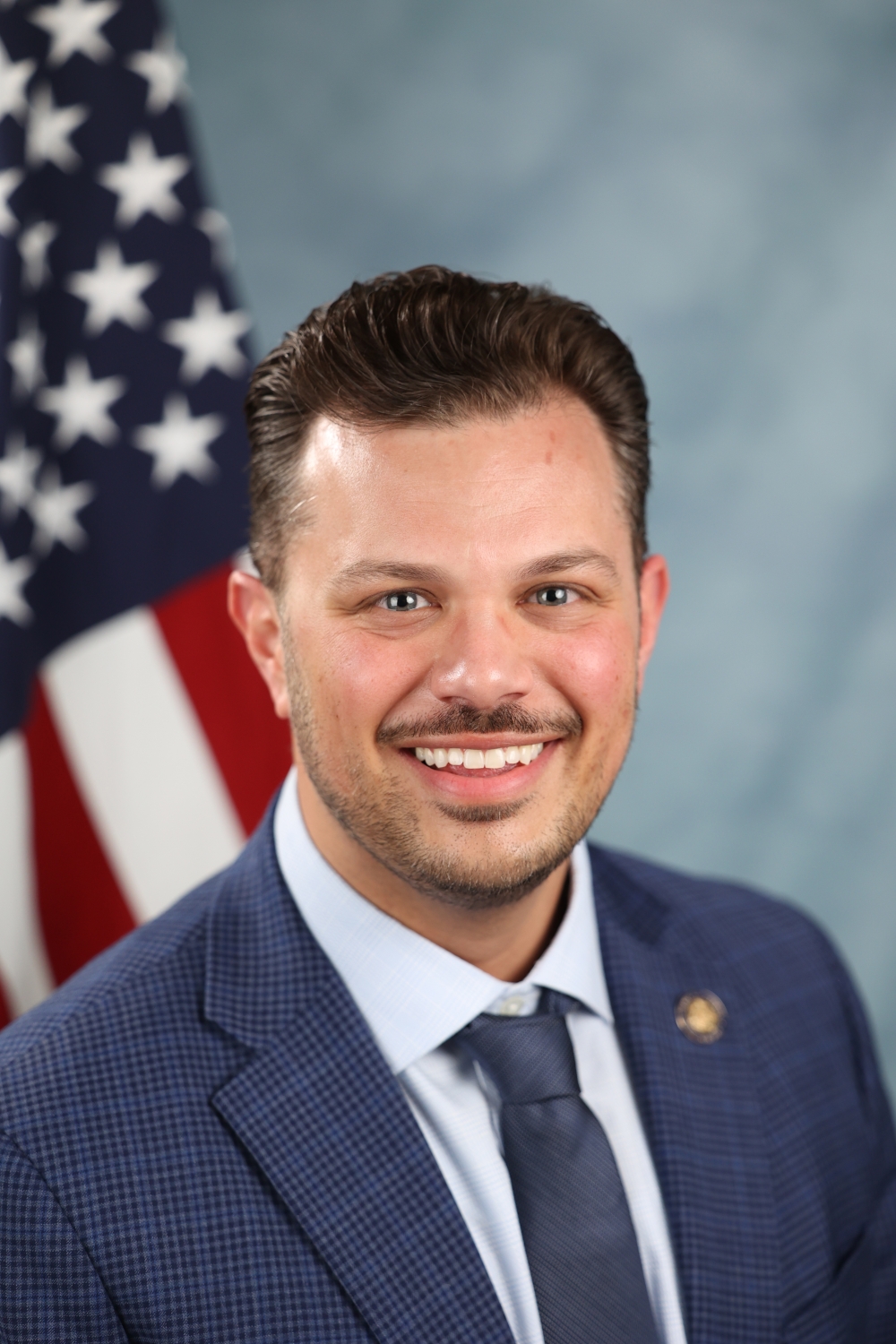
Asm. Paul Bologna
Sponsored bills
Authorizes school districts to submit an opt-out waiver to the commissioner of education authorizing such districts to opt-out of certain zero-emission school bus requirements.
Maddy summaryThis bill increases New York State's earned income tax credit (EITC) for tax returns filed in 2025 and later, raising the credit percentage from 30% to 45% of the federal EITC amount. It directly affects low-to-moderate income workers and families who qualify for the state EITC, primarily those with children or who meet income thresholds. The bill adds new payment options: small credits ($200 or less) are paid as a lump sum, medium credits ($200-$2,400) as three quarterly payments, and larger credits ($2,400+) as monthly installments. The changes take effect for taxable years beginning January 1, 2025, and are implemented through updated tax law provisions.
Expands voter registration to include registration by any agency or entity that accepts an application or collects a fee in exchange for a government or educational service.
Enacts the "omnibus emergency services volunteer incentive act" to provide benefits to volunteer firefighters and ambulance workers; increases the personal income tax deduction after four or more years of service; exempts motor vehicles used in the performance of such volunteers' duties from registration fees, use taxes and special fees for volunteer license plates; authorizes the provision of municipal health insurance coverage to such volunteers; establishes a volunteer recruitment service loan forgiveness program.
Relates to the establishment of a waiver for child care learning pods; provides that unlicensed and unregulated child care learning pods may operate if there are otherwise no violations of laws or codes, rules, and regulations of New York and such child care learning pod is compliant with the local laws, codes, rules, and regulations of such local municipality in which they are located and operated; provides for civil penalty for violations.
Maddy summaryThis bill allows licensed pharmacists in New York to order and administer specific diagnostic tests, directly affecting pharmacists and patients seeking convenient testing. It authorizes pharmacists to perform FDA-authorized tests for conditions like COVID-19, flu, RSV, strep throat, HbA1c, hepatitis C, and HIV. The law expands pharmacists' scope of practice to include these tests under federal "waiver" requirements, without requiring additional physician oversight. The provision expires on July 1, 2028, as noted in the bill's text.
Extends the duration of certain brownfield redevelopment and remediation tax credits with respect to a site located within the Renaissance Commerce Park situate within the city of Lackawanna, Erie county.
Enacts the "omnibus learning for work act"; establishes the youth apprenticeship program (Part A); establishes the enhanced regents professional diploma (Part B); establishes a youth apprenticeship tax credit (Part C); establishes the community college merit and mobility scholarship (Part D); renames certain schools established by a board of cooperative educational services as career prep centers (Part E); relates to the salary of certain teachers and staff providing instruction in career and technical education (Part F); implements the learning for work program (Part G).
Maddy summaryThis bill repeals previous exclusions that denied farm laborers in New York State collective bargaining rights and workers' compensation coverage. It amends the Labor Law to include farm workers in the definition of "employees," allowing them to form unions and negotiate contracts like other workers. The bill also updates regulations for farm labor camps, requiring permits and setting standards for living conditions, while removing exemptions that previously kept farm employers from certain labor protections.