

Creates the New York health benefit and cost commission to review and report on utilization rates, public and patient health effects, and impact on premiums and access to health care and health coverage of all existing and proposed mandated health benefits.
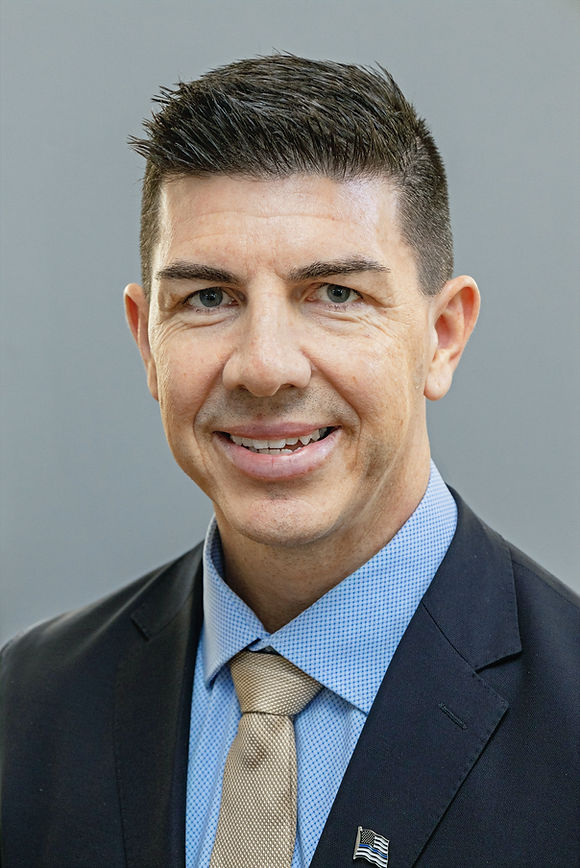
Asm. Pat Chludzinski
Sponsored bills
Maddy summaryThis bill establishes New York's First Home Savings Program, creating tax-advantaged savings accounts for first-time home buyers. It directly affects New York residents who have never owned a primary residence (including those with mobile homes but excluding those who claimed home tax deductions), allowing them to save for purchasing a home in the state. Key provisions include tax incentives under state law, strict rules defining "first-time buyer" status, and requirements that funds be used only for qualified home purchases (houses, condos, or co-ops) within New York as a primary residence. Withdrawals for non-qualified purposes face penalties, while exceptions exist for death, emergencies, or military service. The program is managed by the state comptroller and requires accounts to be held at approved financial institutions.
Enacts the Northeast Regional Health Insurance Compact Act directing the governor to invite the governors of Connecticut, Massachusetts, New Hampshire, Rhode Island, Vermont, Maine, New Jersey, and Pennsylvania to participate in a Northeast Regional Health Insurance Compact Summit along with their respective health and insurance regulators, to discuss the feasibility of creating a Regional Health Insurance Collaborative that allows residents of participating states to purchase qualified health insurance plans offered in any member state.
Relates to certain conduct that may place a person in segregated confinement; expands the criteria that can be used for calculating good behavior allowances.
Maddy summaryThis bill, known as "Clara's Law," requires hospitals and approved healthcare facilities to report all separate allegations of sexual offenses committed by licensed healthcare practitioners against patients to both the state Department of Health and Department of Education within 30 days. It directly affects healthcare facilities, licensed practitioners (including those under Education Law Title 8), and the state departments responsible for oversight. The law mandates written reports containing specific details like the practitioner's license information, the nature of the incident, any criminal conviction, and the facility's actions taken. These reports aim to ensure both departments can monitor and address potential misconduct involving patient safety.
Maddy summaryThis bill creates an optional 20-year retirement plan for New York state correction officers (including employees directly performing correction officer duties). Eligible members can choose this plan within one year of the law's effective date, allowing retirement after 20 years of service or at age 62. Upon retirement, they receive a pension equal to 1/40th of their final average salary per year of service (capped at 50% total), with additional benefits beyond 20 years capped at 75% of final average salary. The state covers the extra costs through additional contributions.
Prohibits the governor from preventing or inhibiting state agency cooperation with the federal government for the purposes of immigration enforcement; prohibits state agencies from preventing or inhibiting collaboration with federal agencies for the purposes of federal immigration enforcement.
Establishes the New York state school resource officer program; provides for grants for school resource officers (Part A); relates to peace officers who are retired police officers employed by a school district as a school resource officer (Part B); allows retired police officers to be employed by a school district as a school safety officer, school security officer or any other substantially similar position for an annual salary of $50,000 or less to continue to receive their full retirement benefit (Part C).
Maddy summaryThis bill requires New York school districts to purchase or lease only zero-emission school buses (electric or hydrogen-powered with no tailpipe emissions) when buying new vehicles by July 2027. It also mandates that all components and final assembly of these buses and their charging infrastructure must be made in the U.S. unless a waiver is granted for cost or feasibility reasons. Districts facing financial hardship may receive up to two years to comply after a cost-benefit analysis, and the law includes protections preventing workforce displacement for transportation employees during the transition. The full transition to zero-emission school buses must be completed by July 2047, or when all state vehicle fleets meet this standard, whichever comes later.
Maddy summaryThis bill prohibits any person or entity from selling, leasing, or transferring ownership of real property in New York State to the People's Republic of China, the Chinese Communist Party, or their affiliated organizations. It directly affects property owners, sellers, and lessees who might engage in transactions with these entities. The law authorizes the state attorney general to enforce it by seeking court orders to stop violations, including injunctions or declaratory relief for properties already sold or leased in violation. The policy change explicitly bans such transactions without exceptions, making them unlawful under New York law.