

Establishes the psilocybin assisted therapy pilot program; provides such program will be offered to veterans and first responders from New York state; establishes a psilocybin assisted therapy pilot program fund.
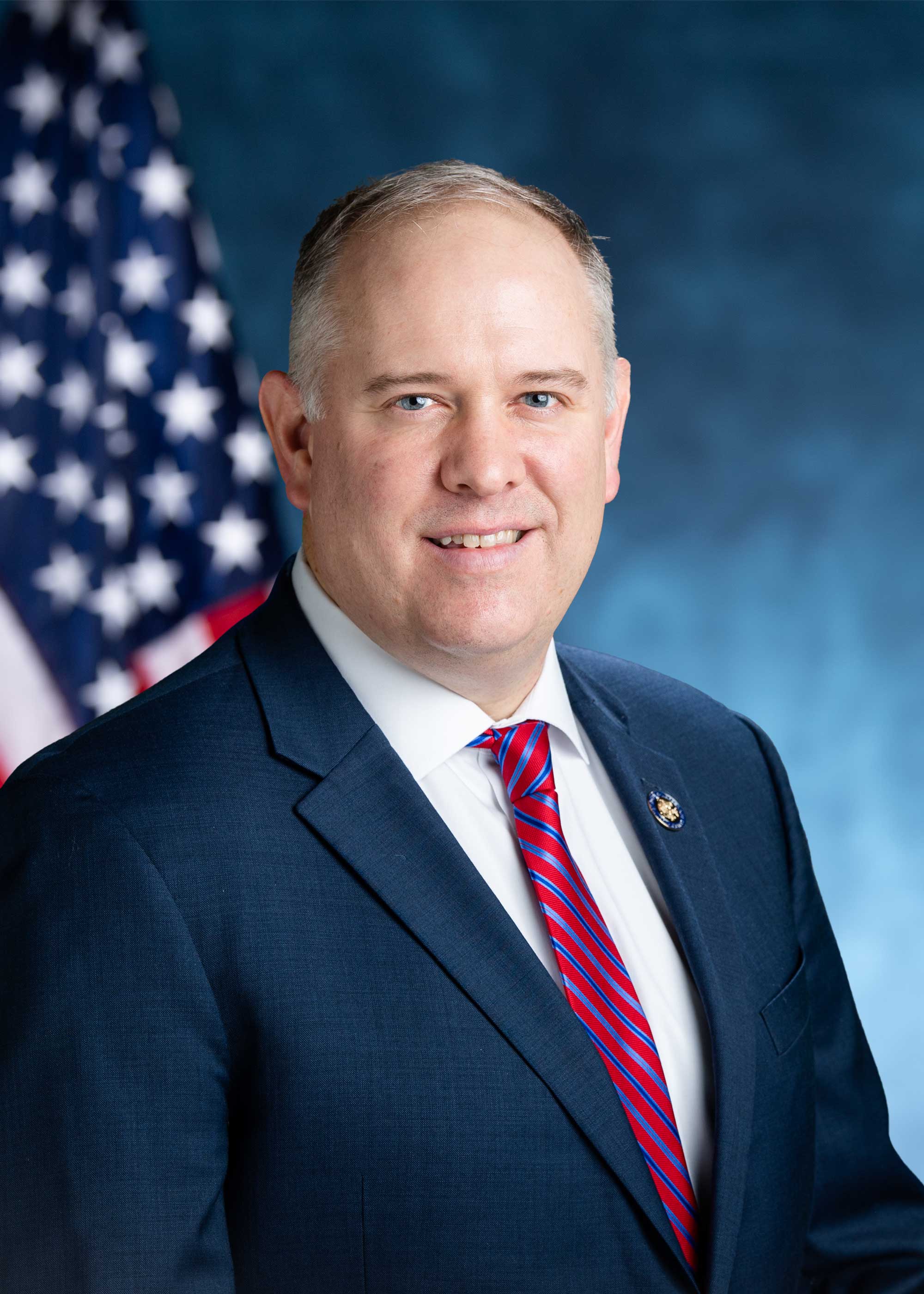
Asm. Bill Conrad
Sponsored bills
Enacts the regional equity in policy implementation act; establishes a regional impact assessment framework; requires a ten-point regional impact test for statewide climate, energy, and infrastructure policies.
Maddy summaryThis bill updates rules for when construction projects must pay local prevailing wages. It applies to projects using at least 20% public funds (or $3 million/$5 million in public funds) for construction costs. Exemptions include single-family homes, small nonprofits, and certain affordable housing developments meeting specific affordability requirements. This affects contractors and developers working on qualifying projects funded in part by public money.
Maddy summaryThis New York State bill (A 585) repeals Title 2 of Article 14 of the Election Law, which governed public financing for elections. The repeal removes the legal framework for public funding of candidate campaigns, directly affecting how political campaigns are financed in the state. The bill takes effect immediately upon enactment, eliminating the existing public financing system without creating new provisions. It is a procedural change that removes specific election law provisions without altering other campaign finance rules.
Requires ice skating rinks maintain a certain indoor air quality and maintain a certificate of acceptable air quality where a resurfacing machine is used.
Maddy summaryThis bill automatically qualifies children with elevated venous blood lead levels (at or above 5 mcg/dl) for early intervention services by adding this condition to the legal definition of "disability" in public health law. It directly affects young children under three years old who are identified with lead levels meeting this threshold during medical screenings. The key mechanism amends Public Health Law to include elevated blood lead levels as a qualifying condition, eliminating the need for separate evaluations to access services. This change ensures children exposed to lead - known to cause developmental delays - receive timely support without administrative barriers.
Repeals the rebates for stock transfer tax paid; dedicates funds of the stock transfer tax fund and stock transfer incentive fund to various funds; establishes the safe water and infrastructure action program.
Maddy summaryThis bill allows property and casualty insurance companies to deliver certain notices electronically instead of by mail. It specifically applies to notices related to insurance contracts under vehicle and traffic law, such as policy changes or coverage evidence. The law requires electronic notices to meet state technology law standards and permits delivery to an electronic address not listed in the policy. This change directly affects insurance policyholders and companies by expanding how they receive legally required notifications. The bill makes electronic delivery legally valid for these specific notices, replacing the previous requirement for physical mailing.
Directs the commissioner of health to approve courses for eligible physicians, nurses and other staff that covers risk management strategies in emergency department visits for individuals with a developmental or intellectual disability; provides a premium reduction for physicians who complete such risk management strategies course.
Maddy summaryThis bill establishes the New York Ireland Trade Commission within the Department of State to strengthen economic ties between New York and Ireland. The commission, composed of 15 members (including Senate/Assembly appointees and governor-appointed members with specific representation from Irish American communities, higher education, and business), will focus on advancing bilateral trade, investment, and academic exchanges. It requires the commission to report annually to the governor and legislature with findings and recommendations, but does not create new taxes, regulations, or direct financial obligations. The bill is procedural in nature, creating a body to facilitate existing trade relationships rather than implementing new policy.