

Maddy summaryThis bill requires New York State legislators to approve any new minimum wage order or modification to an existing order before it takes effect. It directly affects workers who would see wage changes delayed until legislative action, and businesses that would receive clearer timelines for potential cost impacts. Key provisions include mandating legislative authorization for wage increases, requiring the commissioner to analyze business costs using employment data, and updating processes for wage board recommendations and commissioner reviews. The bill shifts authority from the commissioner to the legislature for implementing minimum wage changes.
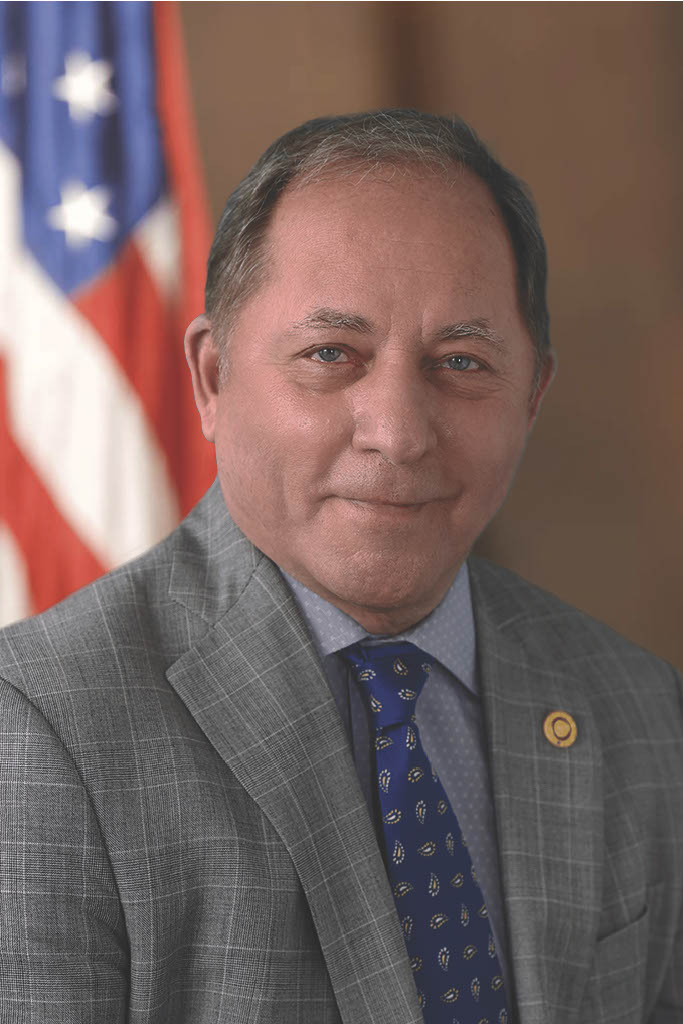
Asm. Steve Hawley
Sponsored bills
Maddy summaryThis bill ensures that at least 45.15% of funds disbursed from the state lottery fund must support education aid, preventing any reduction below this threshold. It directly affects how the state allocates lottery revenue, requiring all disbursements to education aid (including school districts and state-supported schools) to maintain this minimum percentage. The key mechanism is an amendment to the state finance law, mandating that the total percentage of lottery funds going to education aid cannot fall below 45.15%. This is a concrete policy change to guarantee stable funding for education from the lottery.
Provides for the viewing of photo or video footage captured by a camera installed inside a school bus, by a parent or guardian of a pupil, when such parent, guardian or pupil reports any incident of physical harm, harassment, intimidation or bullying occurring against the pupil while such pupil travelled on such school bus.
Maddy summaryThis bill creates a new 8-member standing committee within the assembly to handle ethics matters, directly affecting assembly members and staff. The committee replaces the previous ethics committee, with members appointed equally by the speaker and minority leader, and is tasked with reviewing ethics policies, investigating complaints, and implementing mandatory conduct training. Key provisions include requiring all ethics complaints to be reported to the committee within five days, conducting investigations with confidentiality, and developing annual reports on committee activities. The committee will also recommend policy changes to the speaker and minority leader regarding member conduct and ethics standards.
Creates the New York state commission on government efficiency to examine state spending, identify unnecessary and wasteful spending and create a report of recommendations of spending items that can be eliminated by New York state.
Allows a person who is at least ten years of age to hunt small game, fowl, deer or bear during applicable seasons without obtaining a hunting license or hunter's education course certification and to possess or control a firearm if the person is within arm's reach of a qualified hunting mentor.
Maddy summaryThis bill authorizes the town of Pavilion (Genesee County) to share and hold its justice court operations in the town of Covington (Wyoming County). It directly affects Pavilion and Covington towns by allowing them to implement a joint agreement for shared court facilities. The key provision is a legal authorization for this specific court-sharing arrangement, based on a resolution adopted by both towns. The bill takes immediate effect upon passage. (3 sentences)
Requires a call-blocking service to be provided in state contracts that include procurement of a voice service; provides that a voice service provider shall not be subject to civil or criminal liability for failure of a call-blocking service to block a call, or mistakenly blocking a call that should not have been blocked.
Establishes distinctive "POW-MIA" license plates; establishes the "POW-MIA awareness fund" to fund POW-MIA public education and awareness campaigns and veteran services by Rolling Thunder New York chapters and upon approval by the state director of veterans' services.
Maddy summaryThis bill exempts certain maintenance and repair services for motor vehicles and railroad rolling stock from sales and use taxes. It directly affects common carriers (like trucking and rail companies) by reducing their tax burden on vehicle upkeep. The key provision adds new tax exemptions for parts and services related to motor vehicles and railroad equipment, while explicitly excluding fuel, electricity, and energy services from these exemptions. The policy change simplifies tax treatment for transportation infrastructure maintenance without altering broader tax rates.