

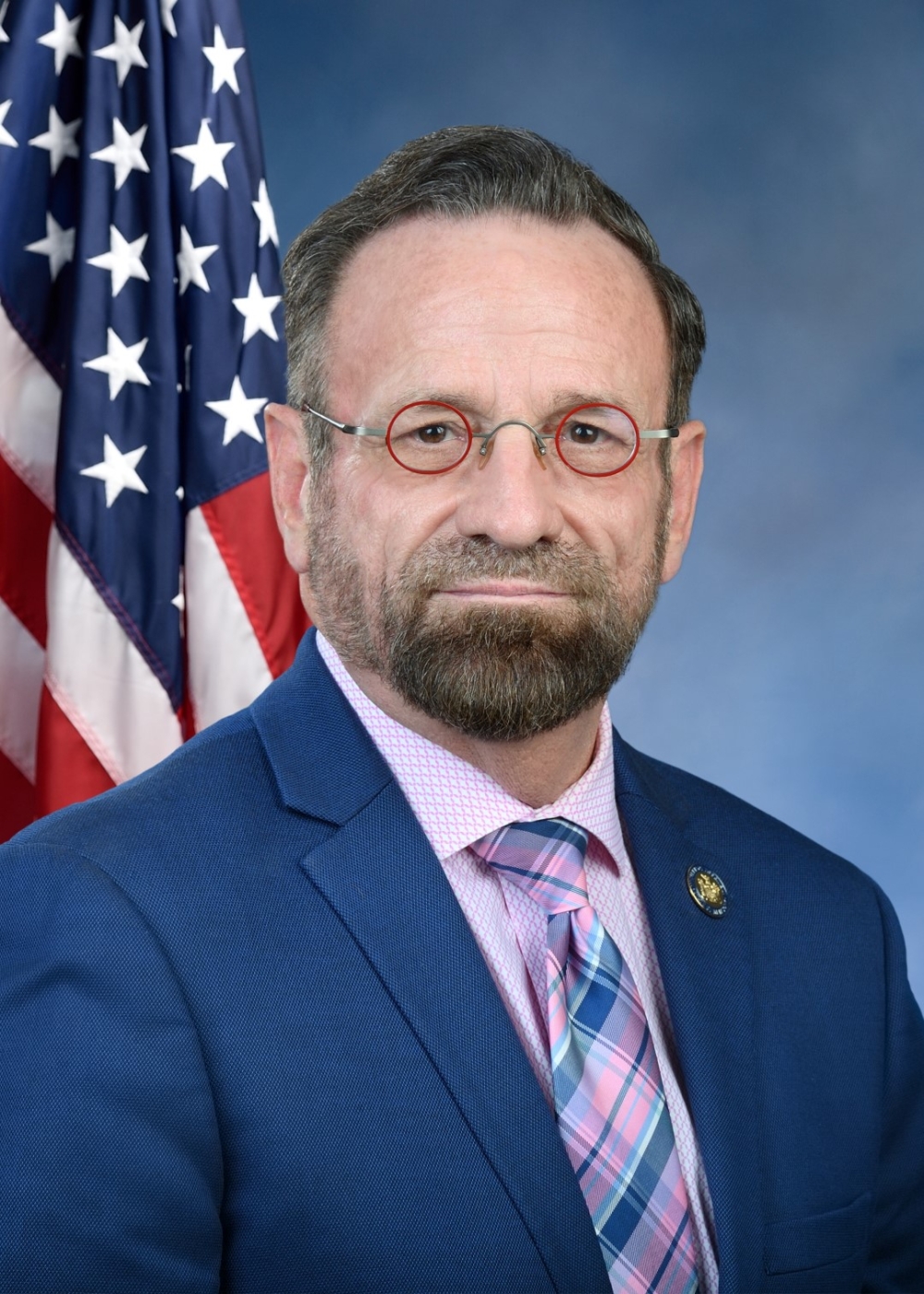
Maddy summaryThis resolution formally honors Mark Malahosky's 35-year career in pharmacy and healthcare, recognizing his work at Trillium Health, expertise in the 340B Drug Pricing Program, and contributions to HIV/AIDS care and community health. It has no policy provisions and serves only as a ceremonial tribute to his retirement, with no legislative effect. The resolution was adopted by the Assembly on June 6, 2025, to celebrate his service and legacy.
Asm. Harry Bronson
Sponsored bills
Maddy summaryThis is a ceremonial resolution (not a law) commemorating Trillium Health's 35th anniversary. It recognizes the Rochester-based healthcare provider's history since 1983, including its founding as AIDS Rochester, expansion into comprehensive LGBTQ+ and primary care, and role serving over 16,000 patients in underserved communities. The resolution formally honors their work through a ceremonial White Party and sends a copy of the resolution to Trillium Health, with no new policy or funding changes.
Protects individuals who provide or receive legally protected health activity, including reproductive health care and gender-affirming care, from criminal or civil liability or professional sanctions imposed by jurisdictions outside the state.
Maddy summaryThis resolution (K 578) formally commemorates the 200th birthday of Antoinette Brown Blackwell, the first woman ordained as a minister in the U.S. and a key figure in women's rights. It directs the legislative body to recognize her legacy through a luncheon on May 24, 2025, and to transmit copies of the resolution to historical institutions like the Henrietta Historical Society. As a ceremonial resolution, it has no policy impact or direct effect on constituents - it solely honors her historical contributions to religious equality and social reform.
Maddy summaryBill A 678 amends existing education law regarding registered pharmacy technicians. Currently, these technicians are limited to practicing in specific types of licensed facilities or pharmacies owned by such facilities. This bill expands their scope, allowing registered pharmacy technicians to assist licensed pharmacists in *any* pharmacy. They must continue to operate under the direct personal supervision of a licensed pharmacist, performing tasks that do not require professional judgment, such as compounding or labeling drugs.
Prohibits insurance carriers and employers from withholding certain benefits from injured workers based on a claim that such workers have voluntarily withdrawn from the labor market by not seeking alternate employment that their injury or illness does not preclude them from performing.
Establishes the youth justice innovation fund to make funds available to community-based organizations for services and programs with the purpose of youth development and preventing youth arrest and incarceration.
Maddy summaryThis bill (A 2432) amends New York's warehouse worker injury reduction program to specifically target work-related musculoskeletal disorders (MSDs), affecting warehouse employers and workers performing manual materials handling. It defines MSDs broadly to include conditions caused by ergonomic risks like repetitive motions, forceful exertions, or extreme postures, and establishes "competent persons" (e.g., ergonomists or safety professionals) to conduct workplace evaluations. Employers must implement injury reduction programs including annual worksite evaluations identifying MSD risks, incorporating worker input, and making evaluation results available to workers within one business day. The law requires employers to correct identified risks promptly or provide a timeline, with mandatory board-certified ergonomist reviews if workers raise material concerns. The bill became law on February 14, 2025 (SIGNED CHAP.68).
Maddy summaryThis bill restricts certain harmful chemicals in menstrual products sold in New York State. It prohibits manufacturers from intentionally adding specific substances like lead, mercury, formaldehyde, phthalates, and PFAS (a class of chemicals including Teflon-like compounds) to products such as tampons, pads, and menstrual cups. Starting immediately upon the bill's effective date (12 months after enactment), these chemicals cannot be added as intentional ingredients, with future safety thresholds for remaining traces to be set by health and environmental agencies by 2029. The law applies to all distributors and sellers of menstrual products within New York.
Removes the requirement that a state call center contractor must hire employees of a former call center contractor whose contract is terminated unless provided in the contract; makes provisions of new law applicable only to the state and its public authorities or public benefit corporations.